

Azar
Mediterranean and Lebanese dining in Gueliz
4.5★3,729 reviews
$$$Price
MarrakechRue De Yougoslavie
About this restaurant
A stylish Gueliz restaurant serving Mediterranean and Lebanese dishes in a modern setting with evening entertainment.
Data from Google Maps and social signals. Scores are algorithmic, not paid placement. How we rank
What you'll eat at Azar
Azar cooks in a European register in Marrakech, which in Morocco pulls from French, Italian, and Mediterranean traditions rather than fitting neatly into one of them. Here is what that typically looks like on the plate.
Morocco's European kitchens trace three distinct lineages. French Morocco, inherited from the Protectorate, runs on bistros and brasseries serving steak frites, duck confit, coquilles Saint-Jacques, plateau de fruits de mer, and a wine list built around French and Moroccan bottles. The best versions in Casablanca and Rabat read like neighbourhood brasseries in Lyon or Paris — short menus, white tablecloths, cheese trolleys, and a maître d'hôtel who actually greets tables.
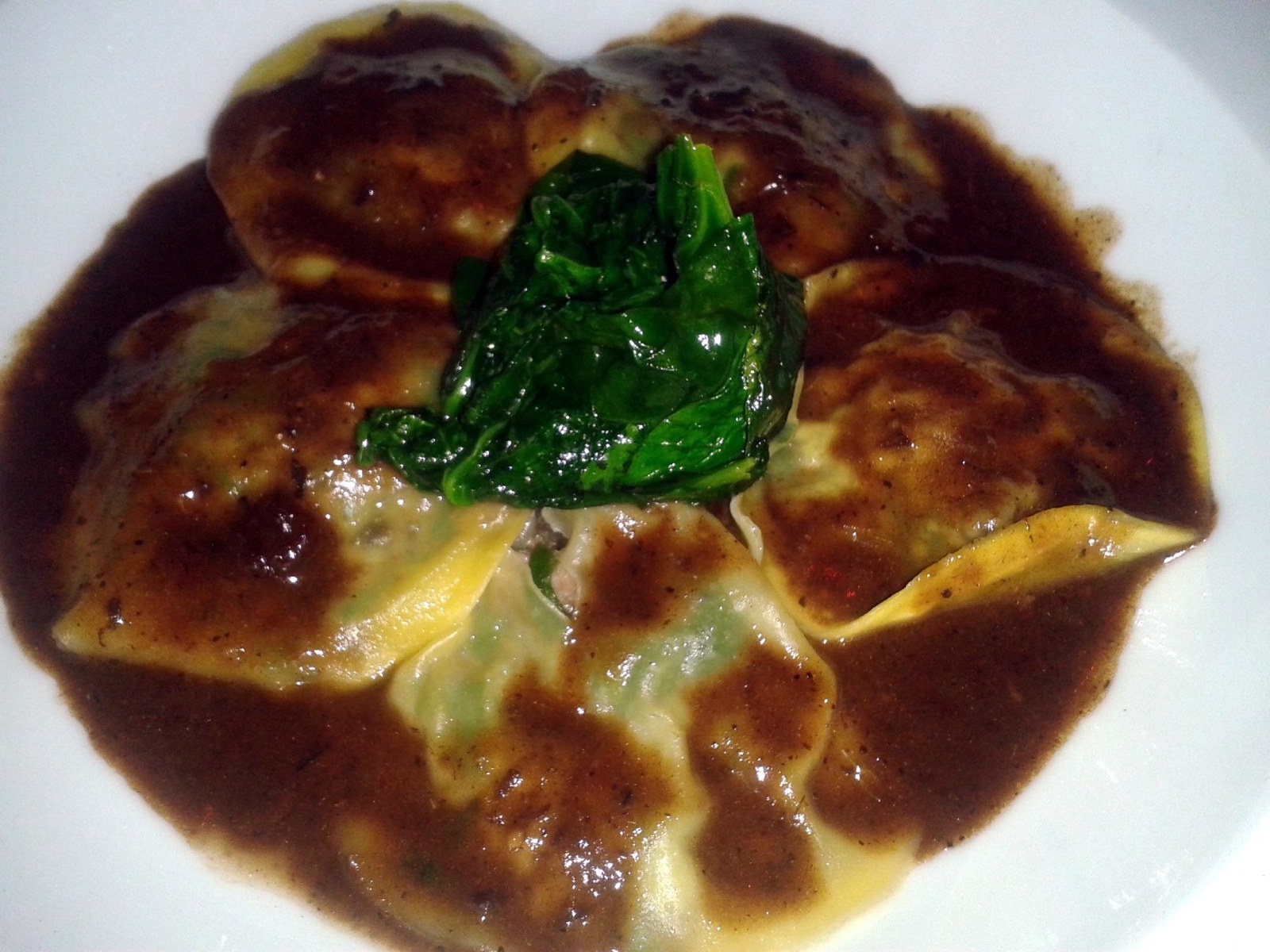
Italian cooking in Morocco skews Neapolitan for pizza and Roman for pasta. Wood-fired Neapolitan pies with San Marzano tomatoes and fior di latte are a legitimate part of the Moroccan dining map now, especially in Marrakech and Casablanca. Pastas — cacio e pepe, carbonara, gnocchi al pomodoro, seafood linguine — are almost universally handmade in the good places. Italian wine lists and amaros have quietly become part of the upscale Moroccan bar scene as well.
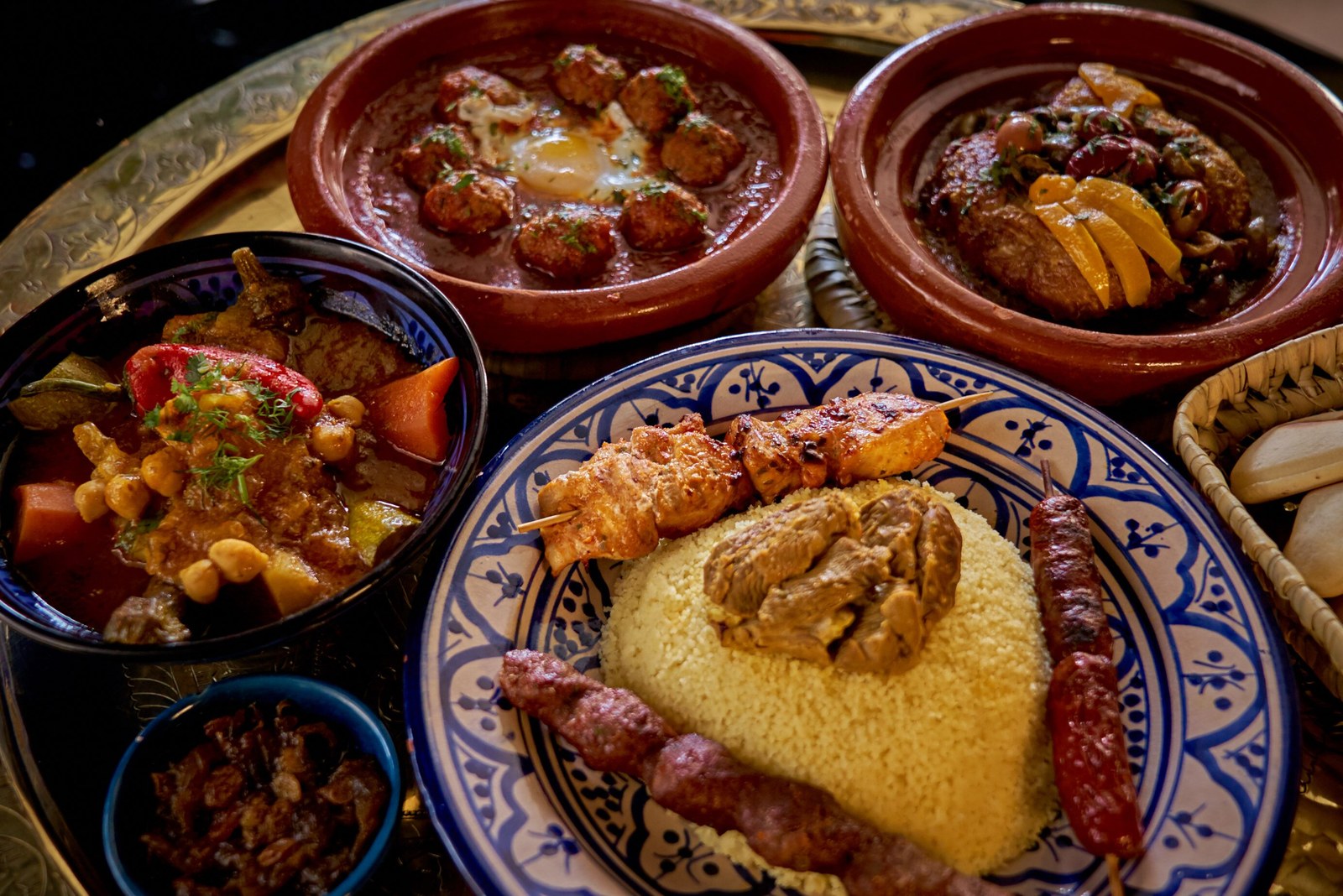
At the fine-dining end, the vocabulary is Mediterranean more than strictly one nation: burrata with local tomatoes, grilled octopus with preserved lemon aioli, lamb with couscous jus, tajine-style braises served in porcelain. The best Moroccan chefs working in this register use the country's ingredients — saffron, argan oil, preserved lemon, sardines, goat, quince — inside a French or Italian technique frame. The tasting menus worth the money do not feel like European cooking imported; they feel like Morocco translated into a second language.