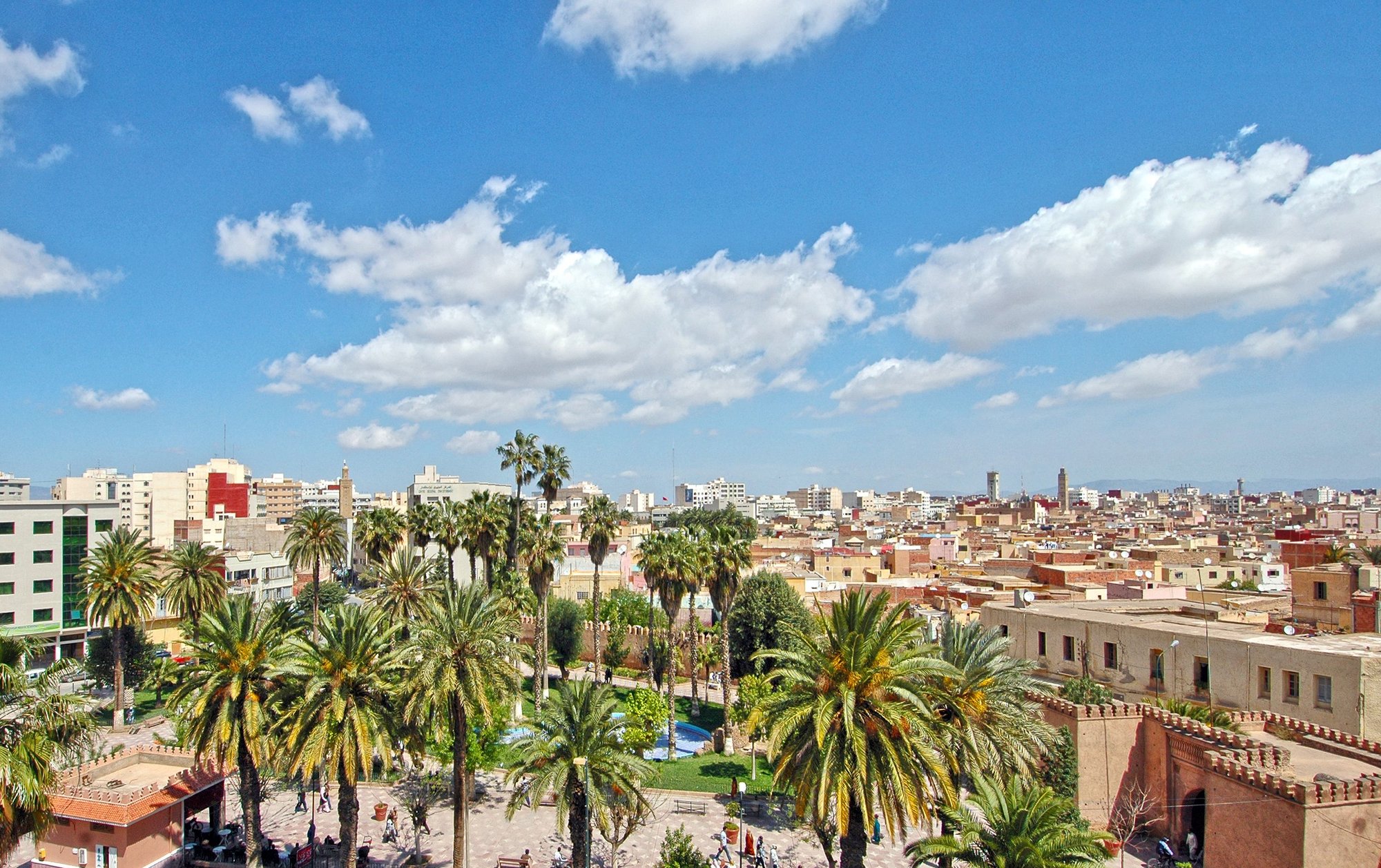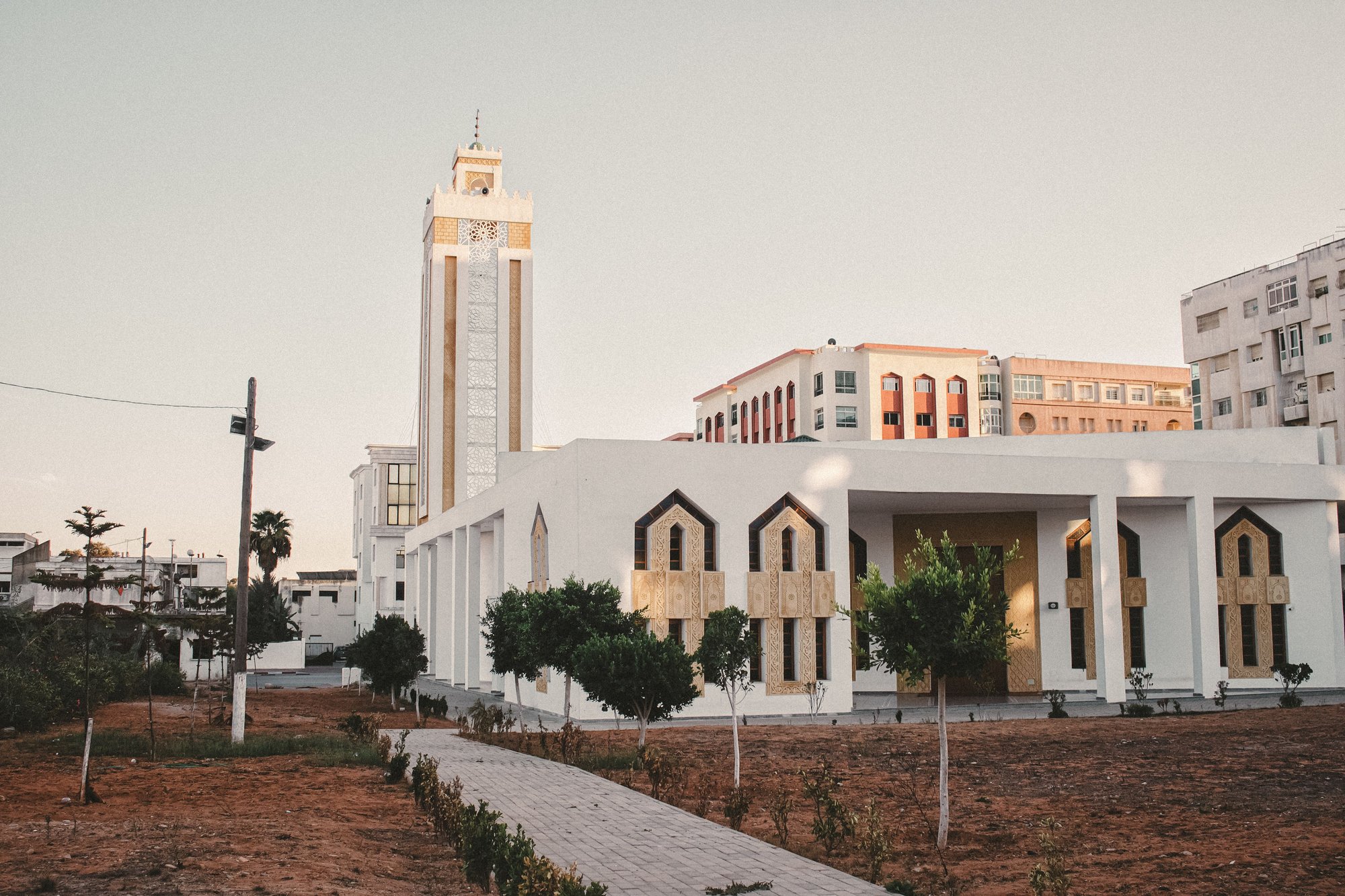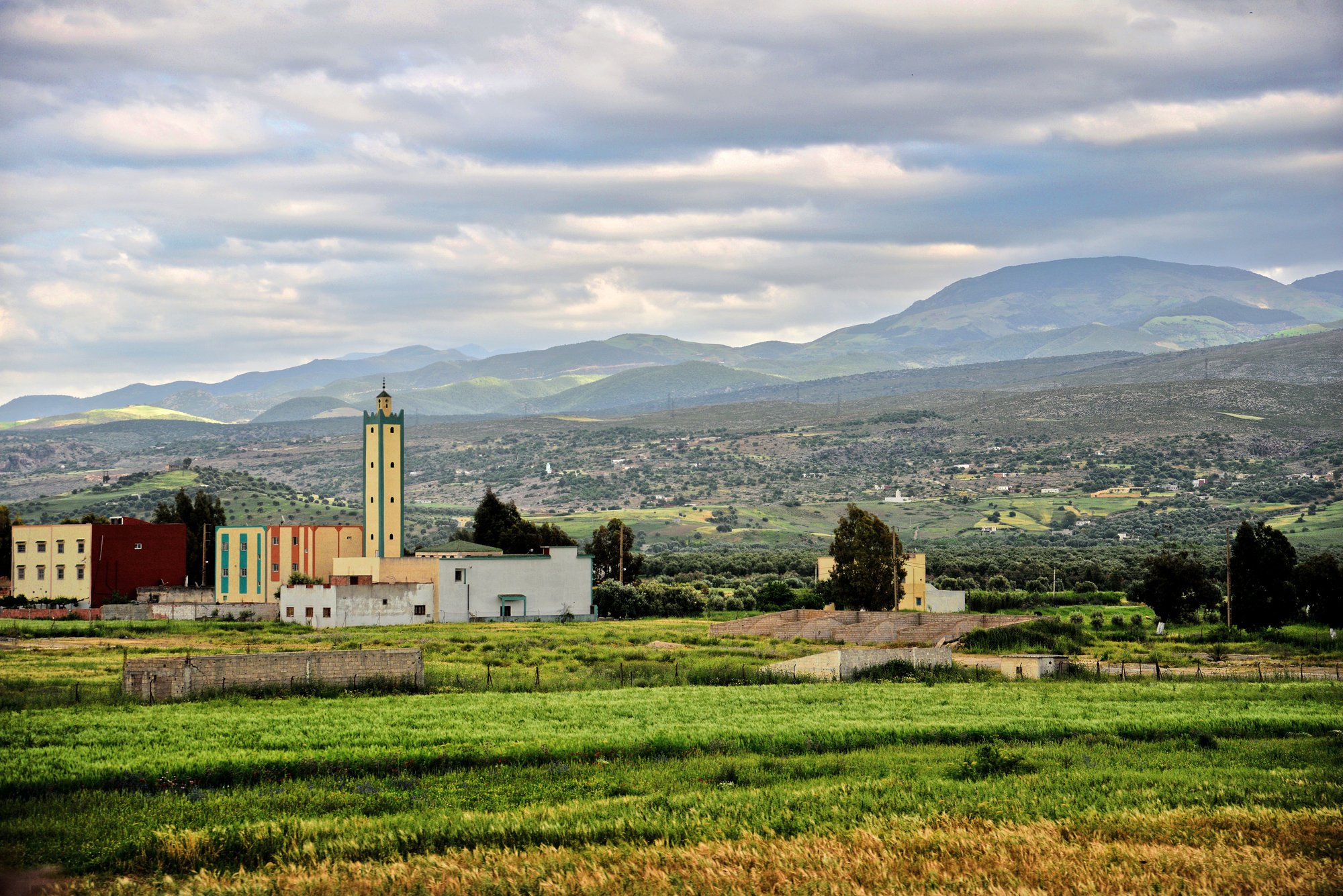
Welcome · Bienvenue · أهلاً بك · ようこそ
Morocco's dining room, open
Lids are lifting. Mint tea is being poured from a height. Charcoal is catching. An independent guide to where Moroccans sit down for a real meal — tagines, couscous, coastal fish, seven cities.
Pull up a chairHow Moroccans eat
From clay pot to charcoal pit
“The table is where our history lives, seasoned with cumin and patience.”
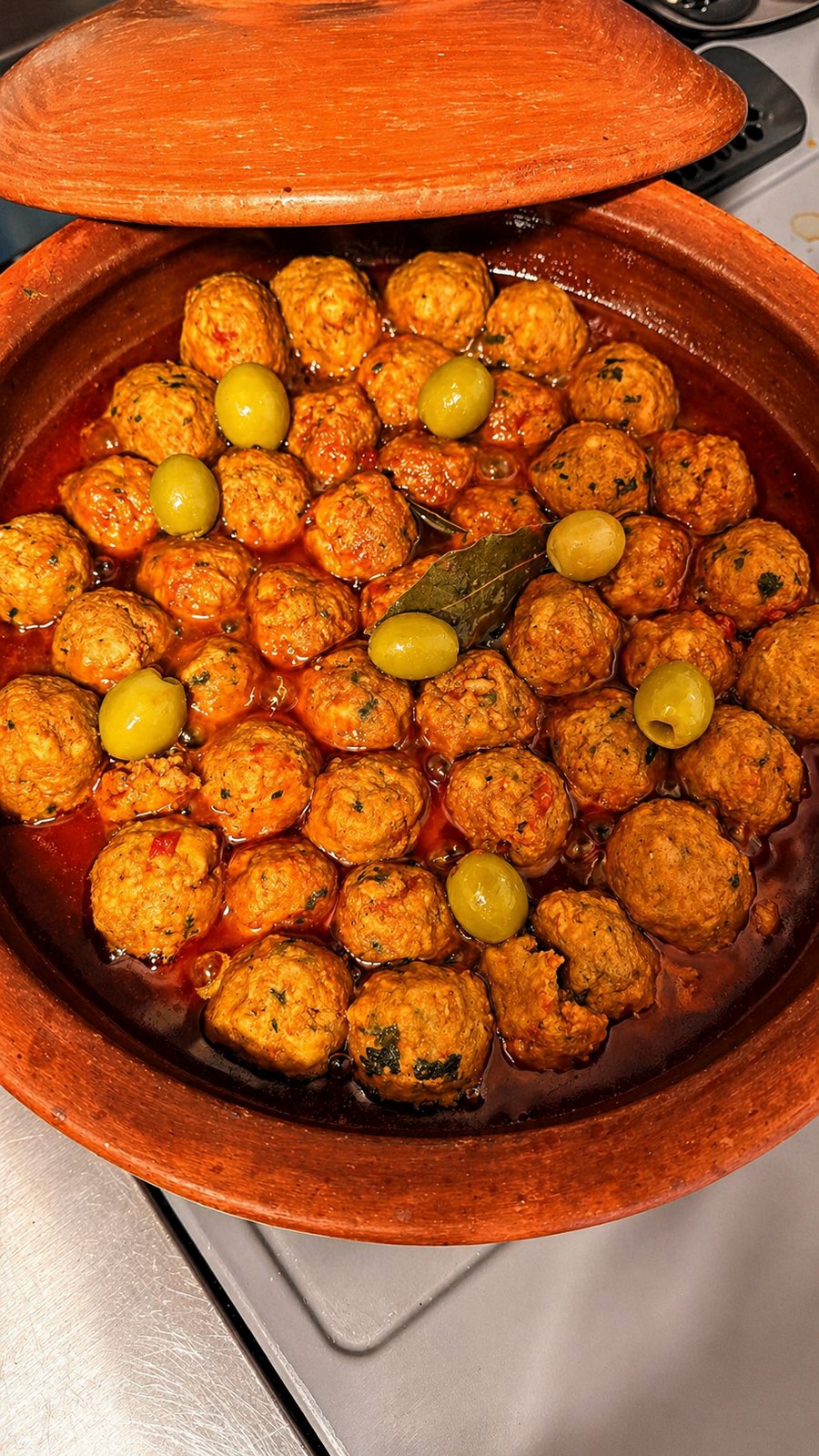
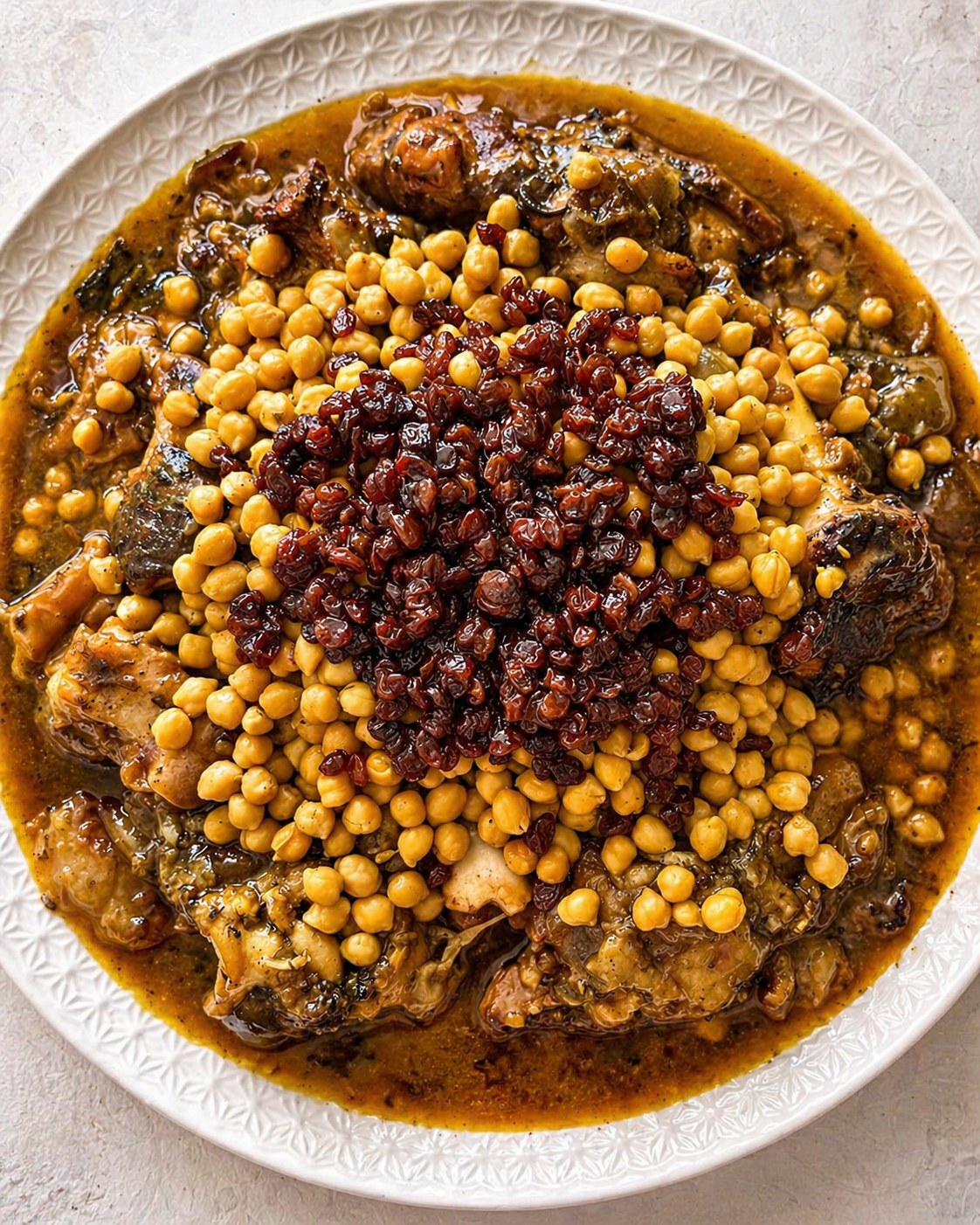
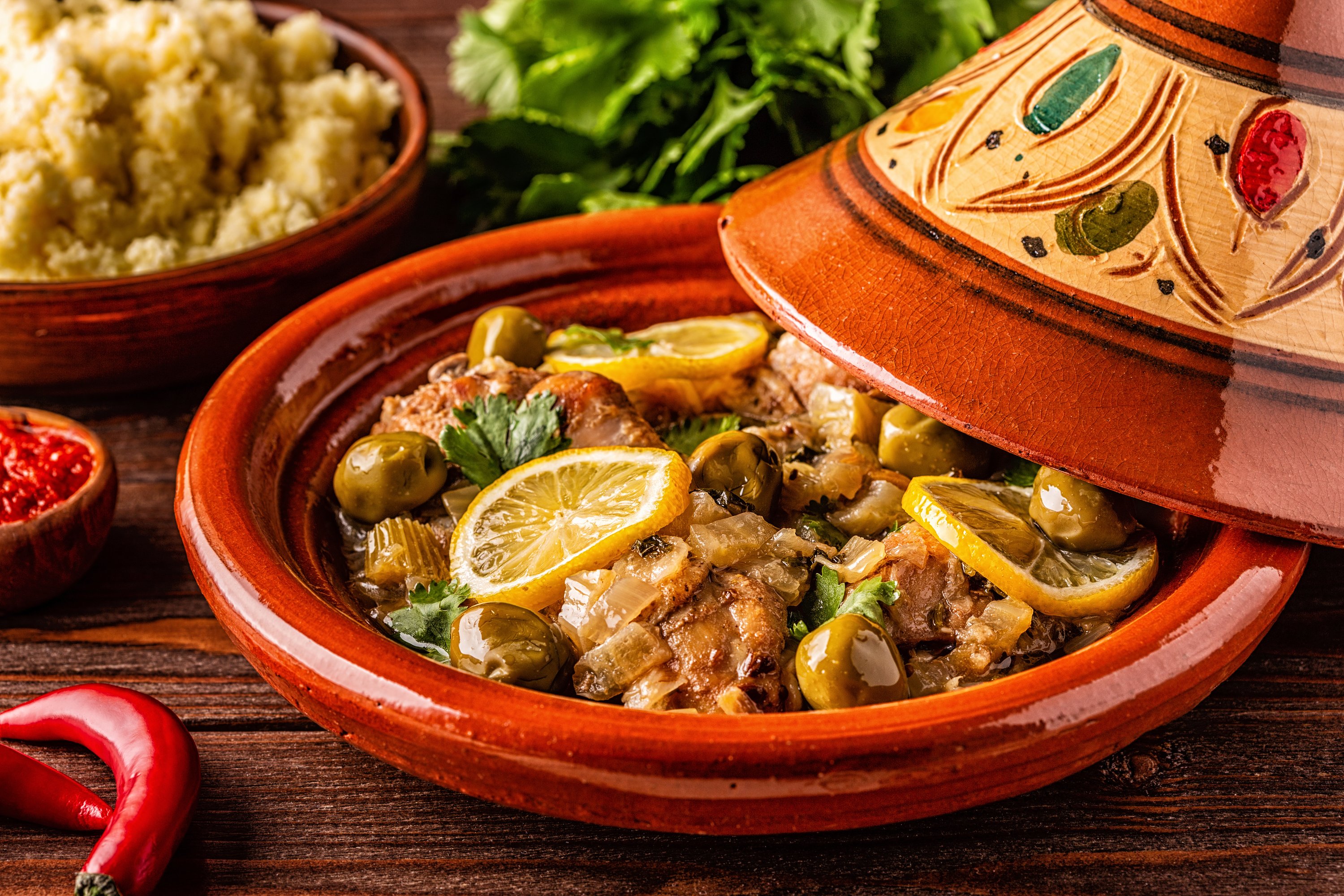
Tagine and tanjiaSlow clay pot stews, lamb with prunes, chicken with preserved lemon, beef with quince.
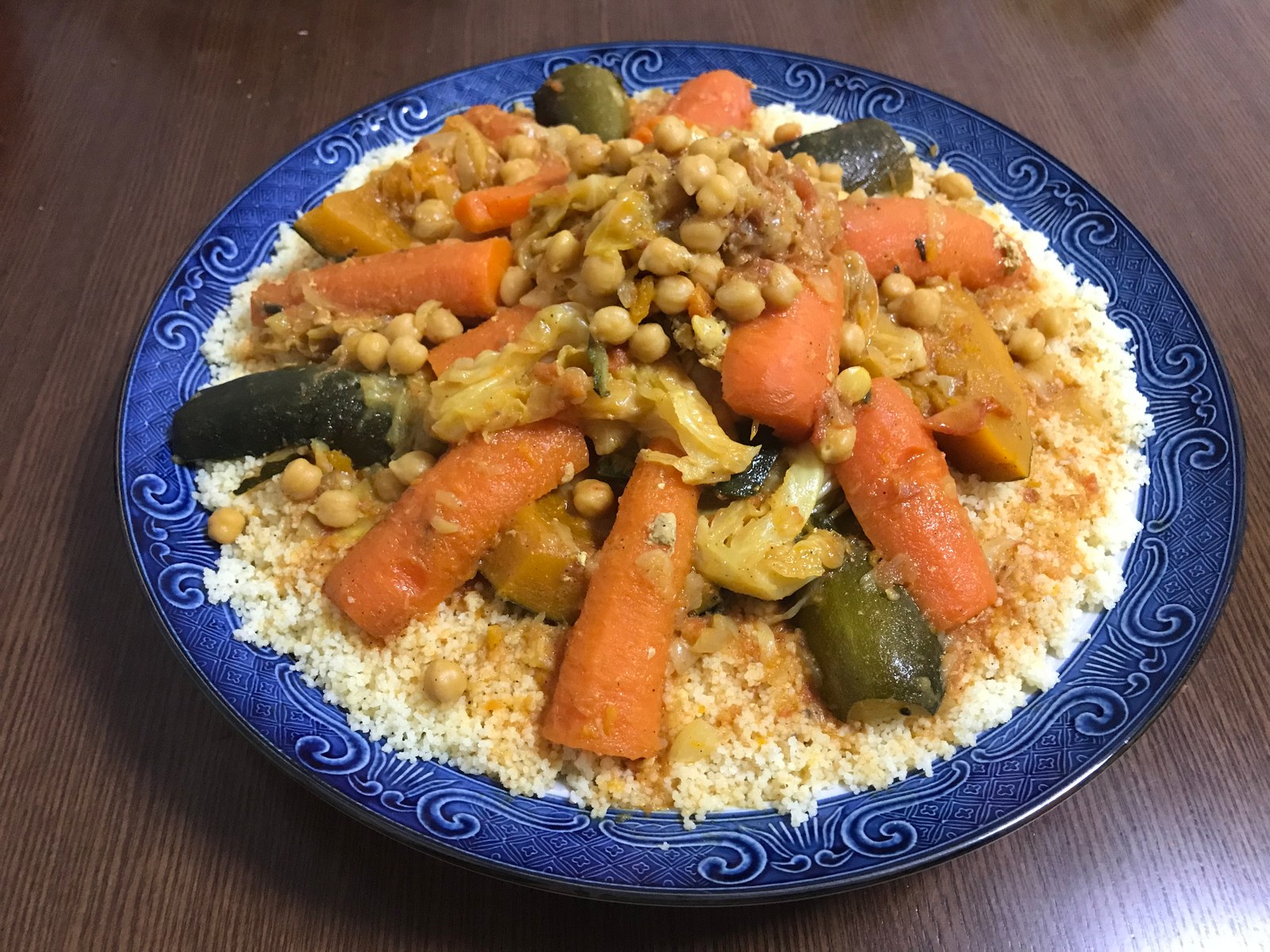
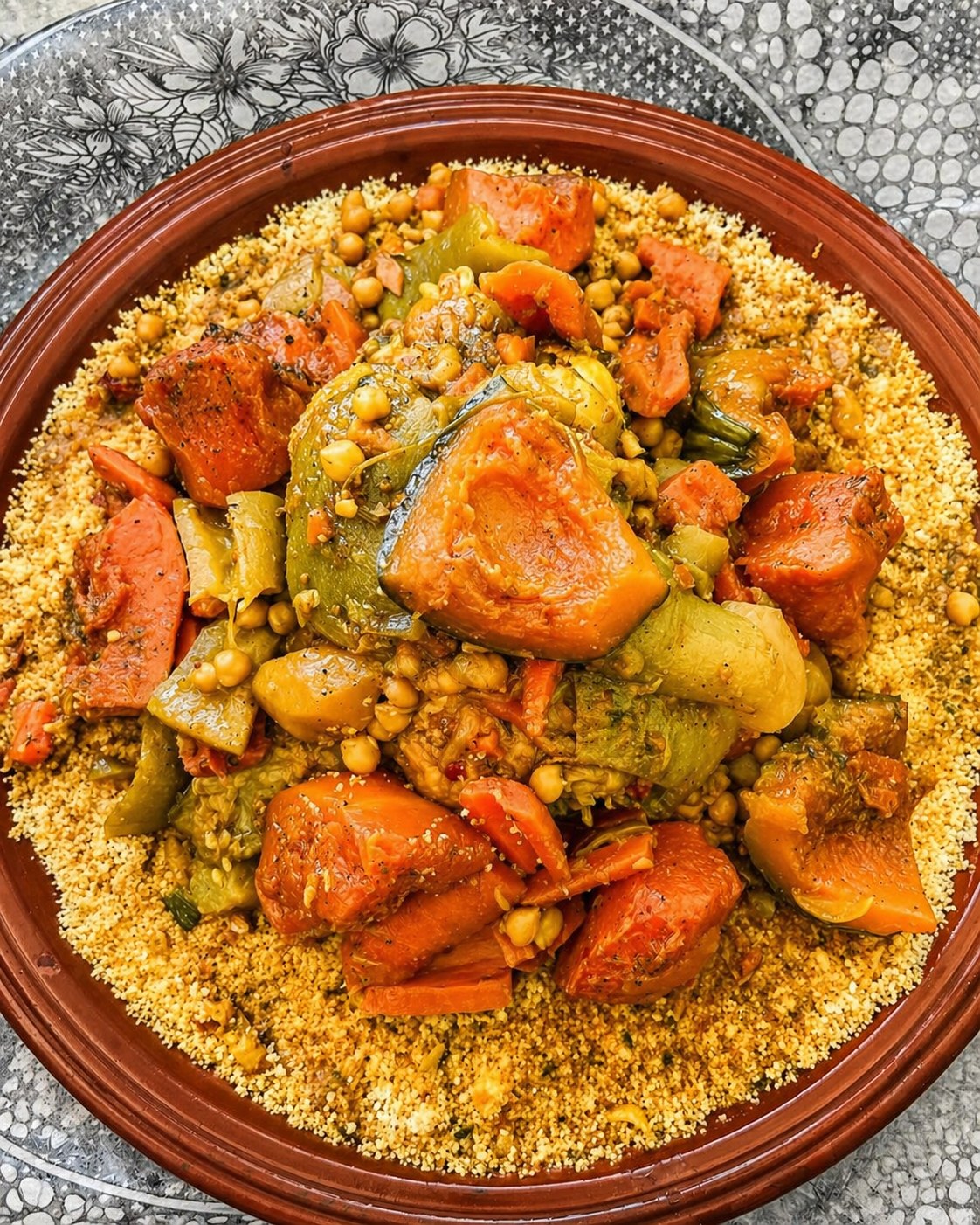
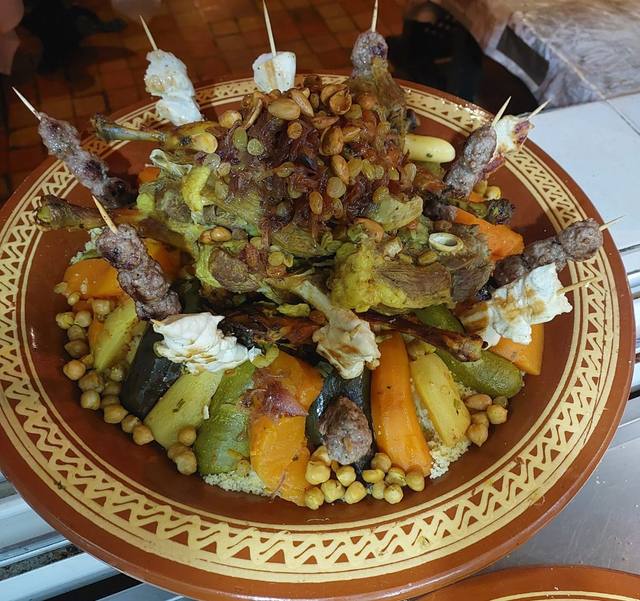
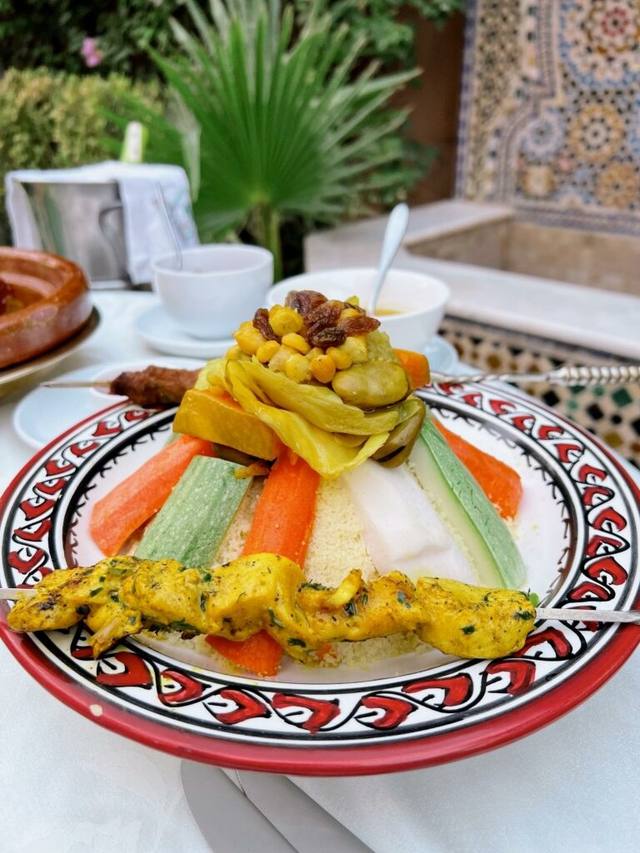
Couscous FridaysSteamed three times, served with seven vegetables and broth, the weekly family ritual.
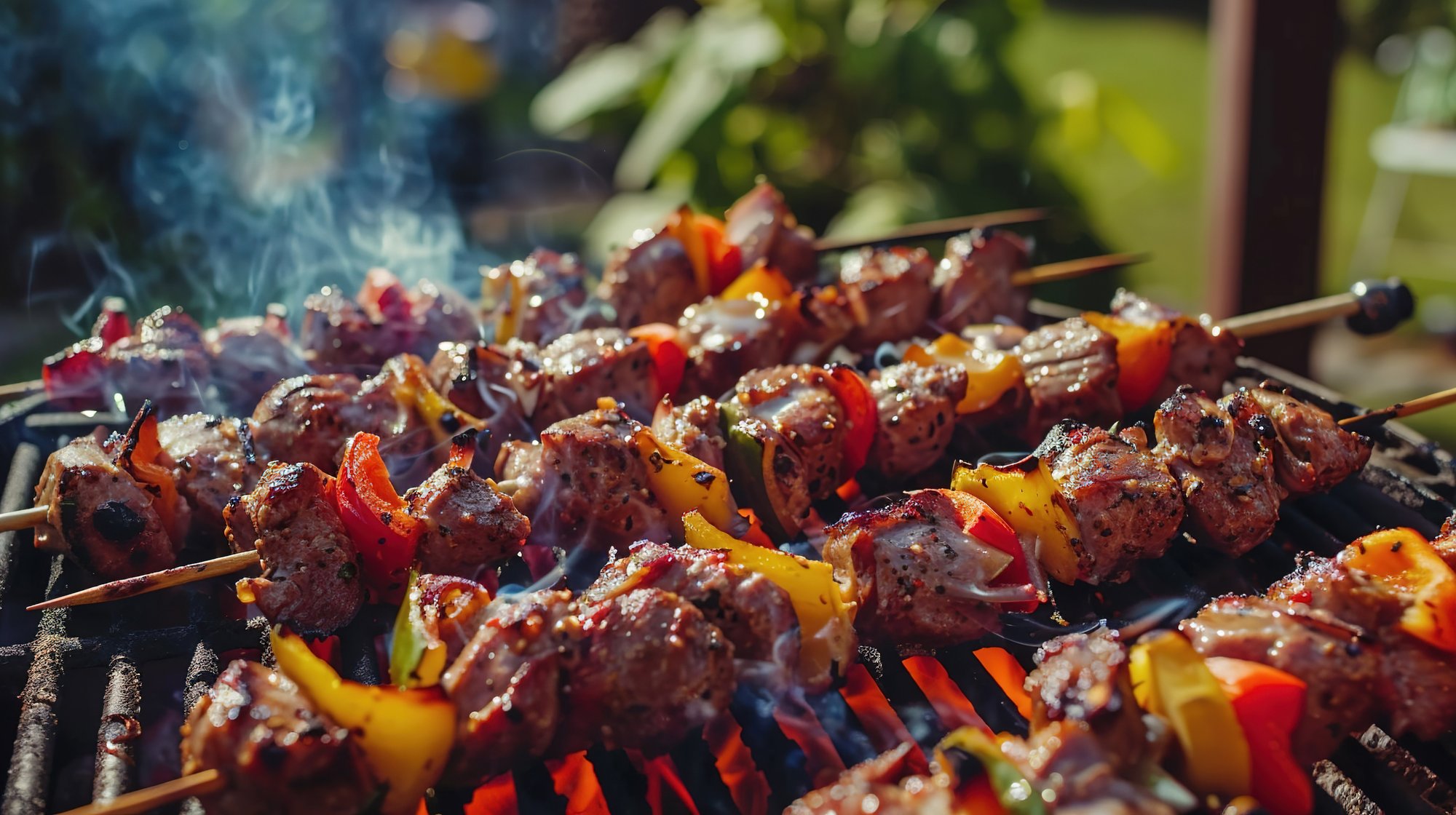
Charcoal and smokeMechoui pits, brochettes, kefta sizzling over olive wood at the back of the souk.
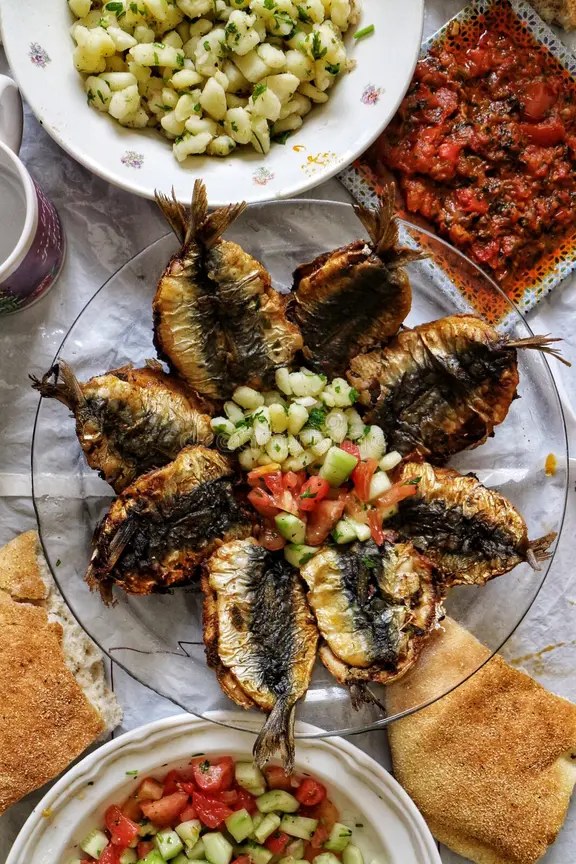
Atlantic and MediterraneanSardines off the docks, calamari with chermoula, fried whitebait by the port.
What Moroccan cooking actually tastes like
Moroccan food is layered the way the country is layered. Amazigh hill cooking, Andalusi pastry, Arab spice trade, Saharan grain culture, Jewish slow stews, Atlantic and Mediterranean coastlines: each one left a recipe in the pan. Eat your way through a single week here and you will taste five centuries of trade and migration arriving at one table.
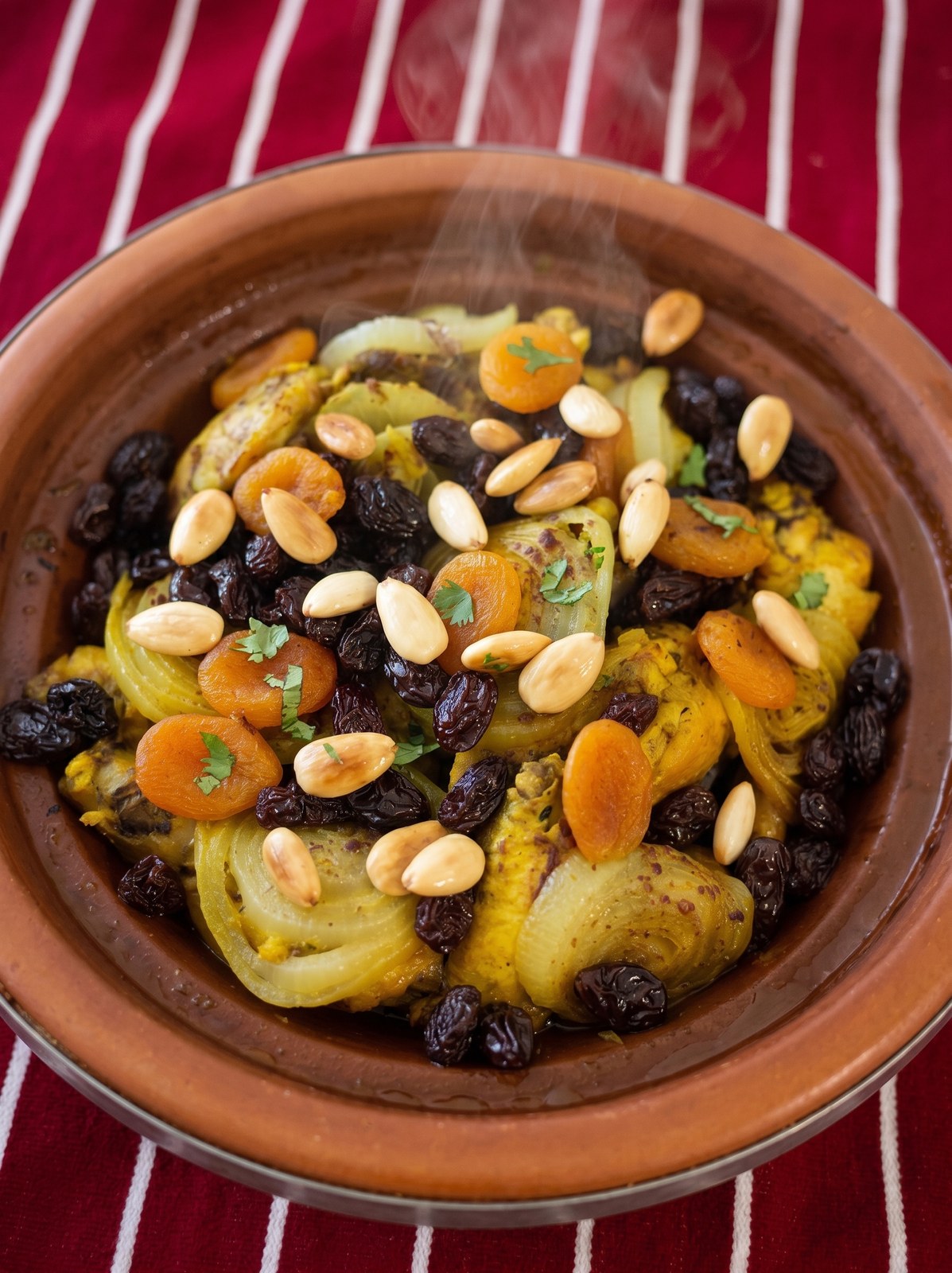
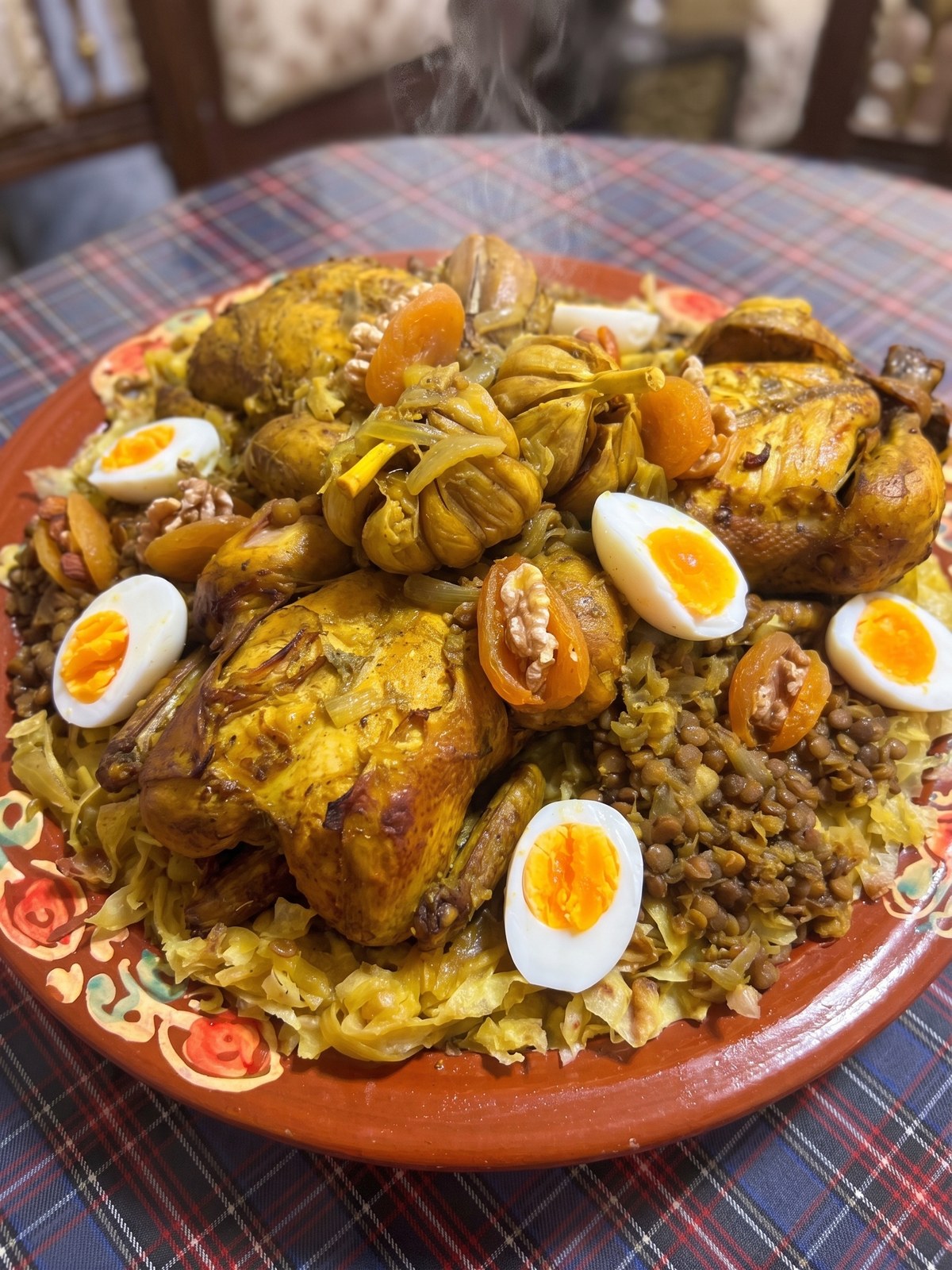
The defining technique is patience. Tagines and tanjia are not weeknight cooking; they are clay pots set over coals or buried in the dying heat of a hammam furnace, slowly turning lamb, prunes, preserved lemon, and saffron into something almost spreadable. Couscous, the Friday lunch of nearly every household, is steamed three times until each grain stands separately under a lake of broth and seven vegetables.
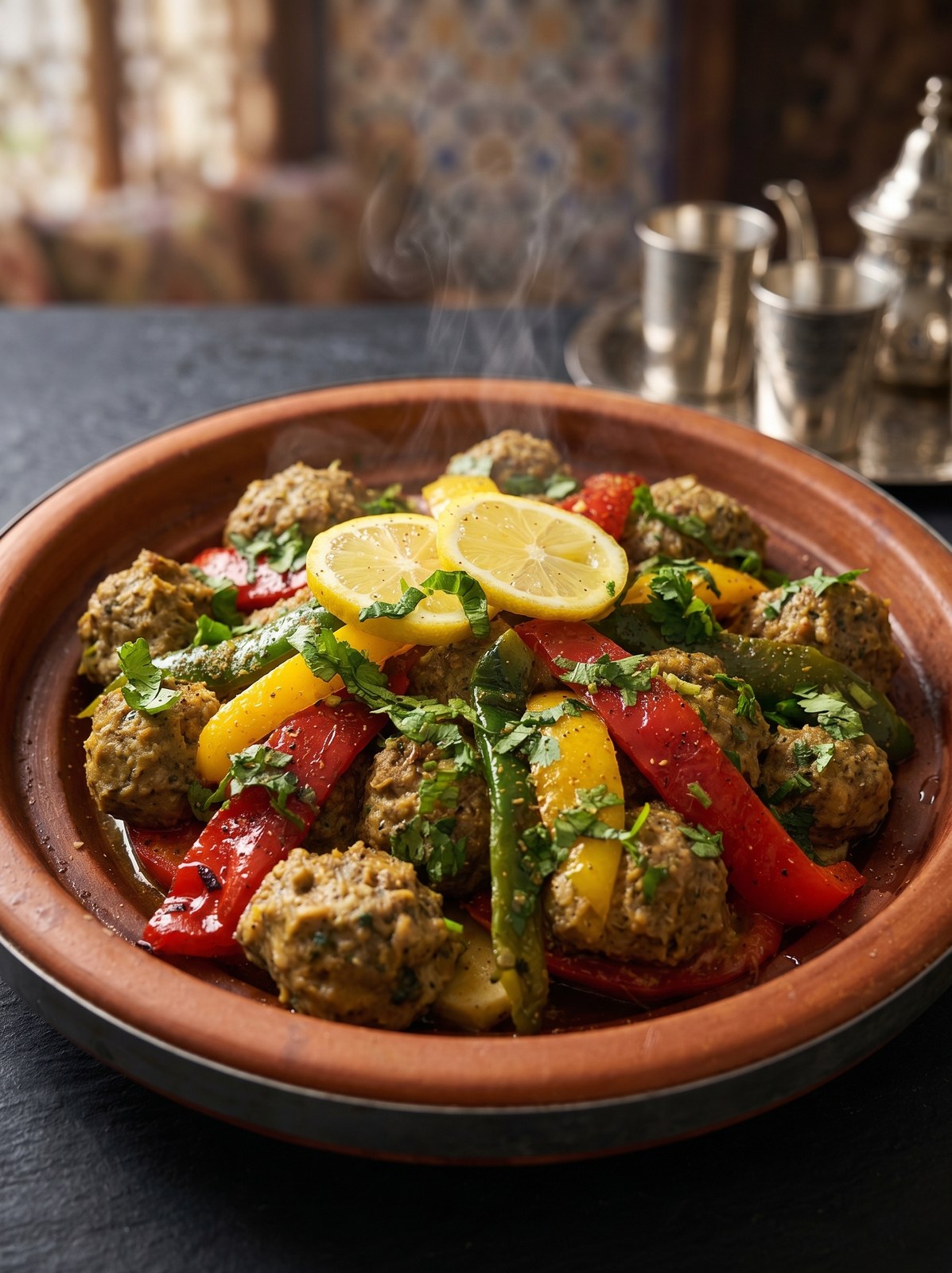
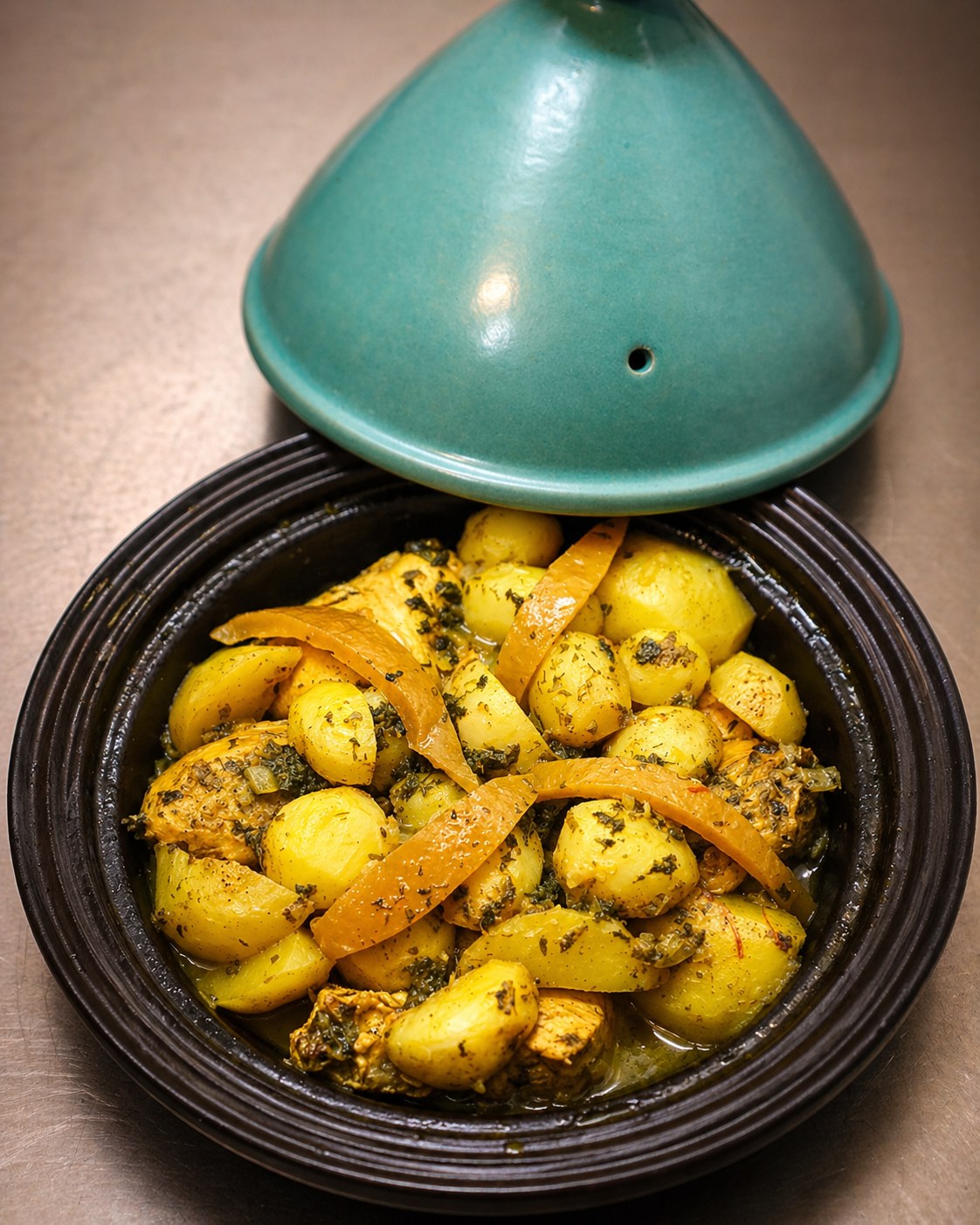
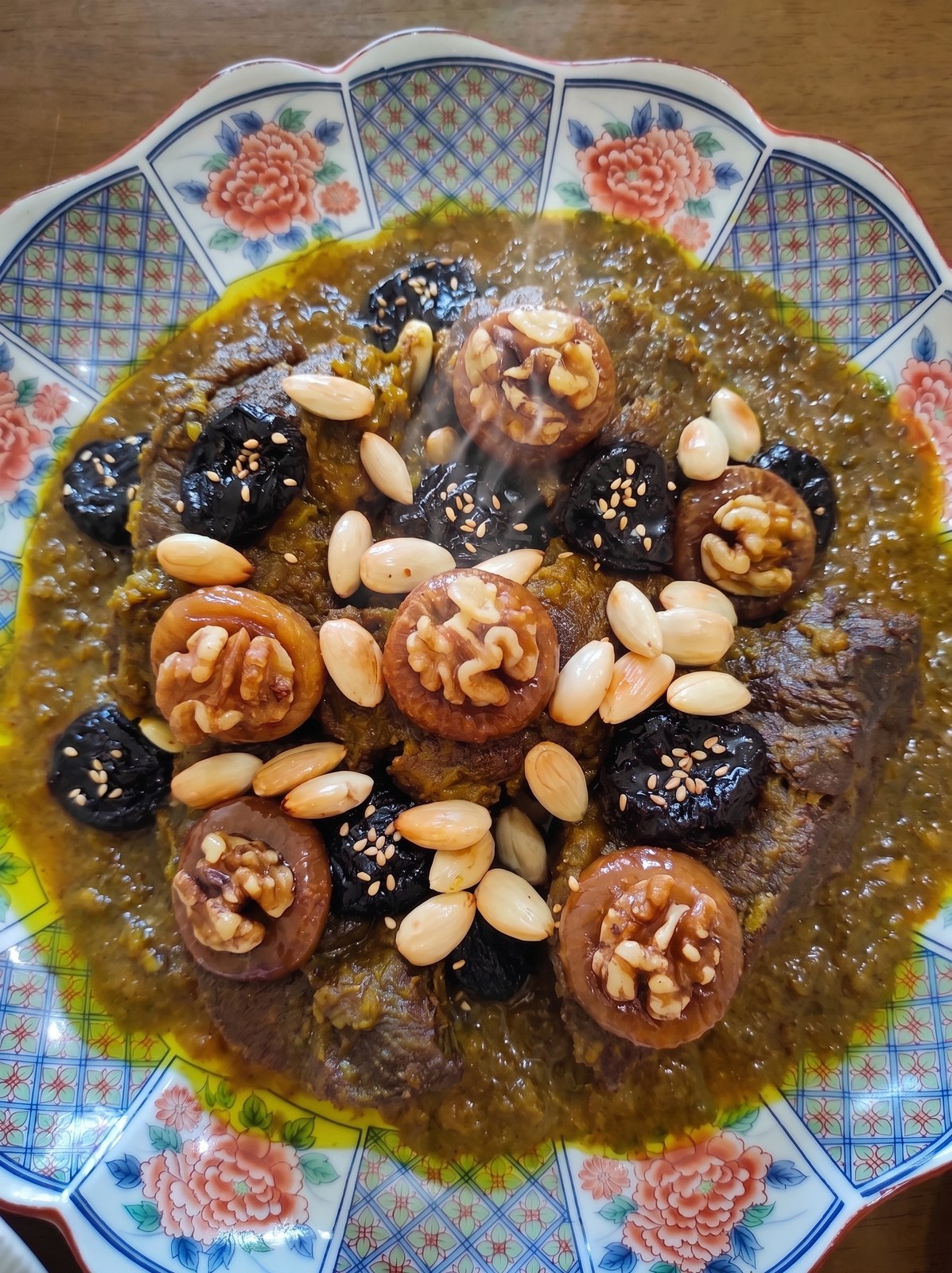
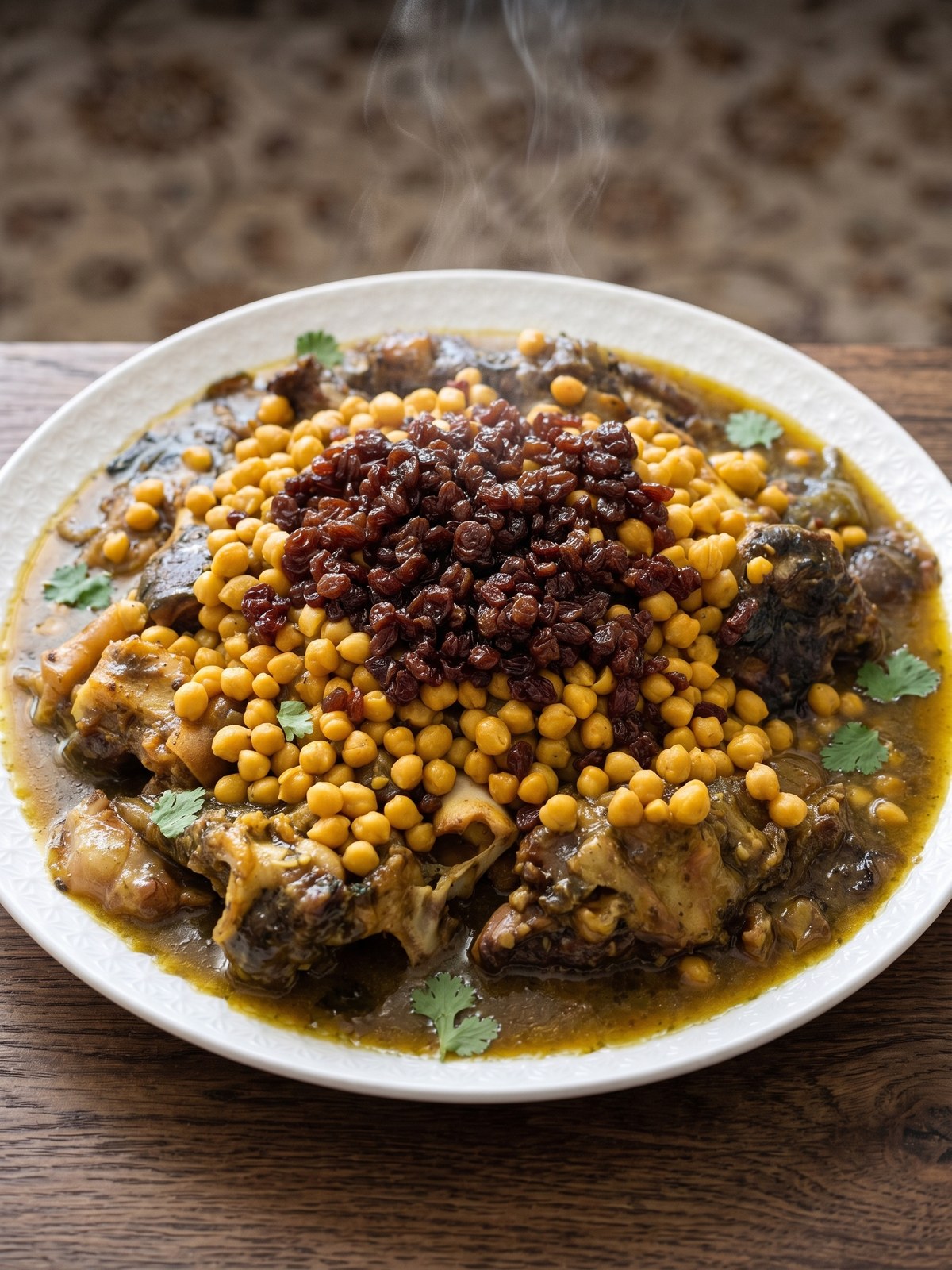
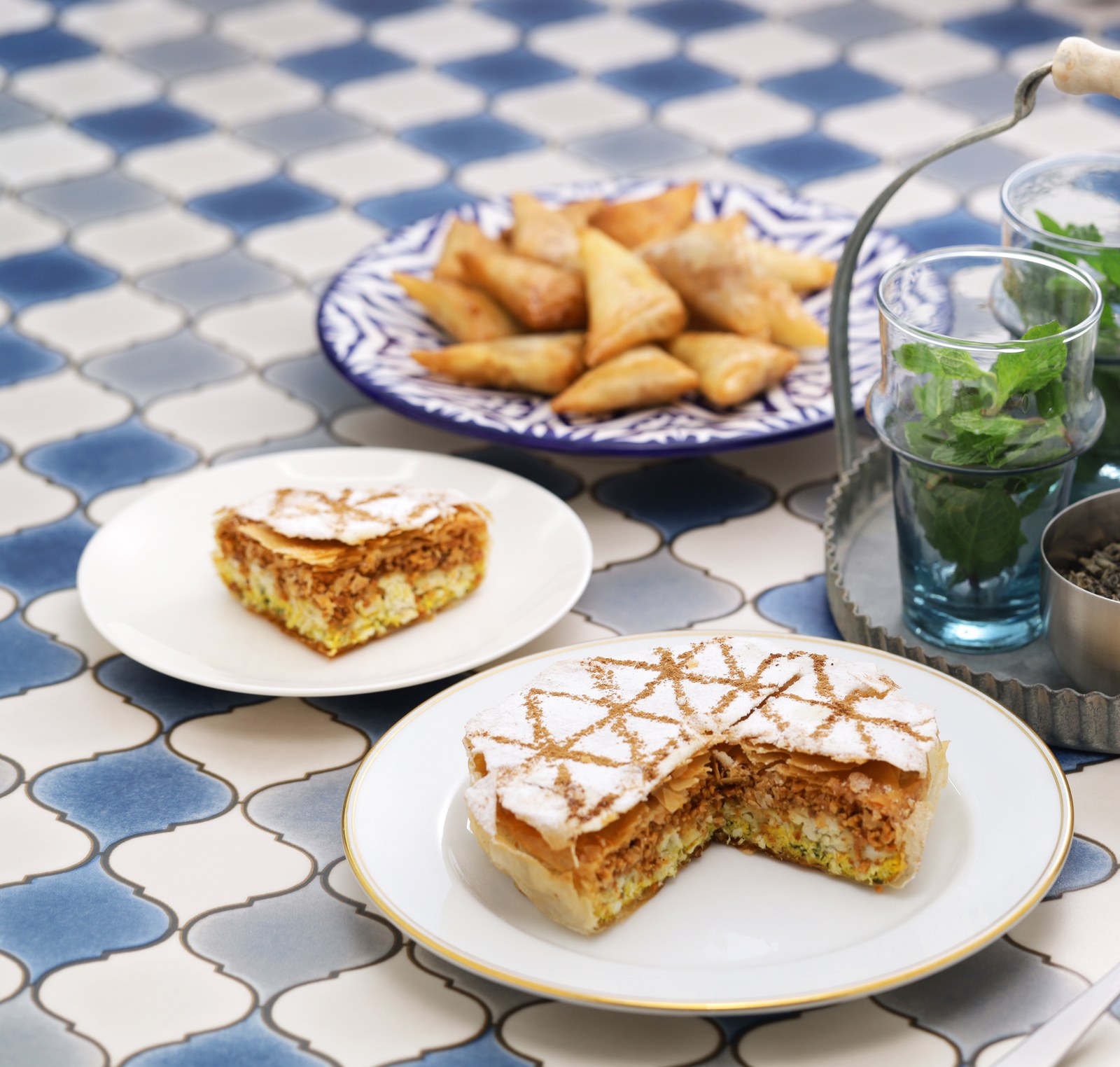
Then there is the other Morocco, the one of charcoal and noise. Mechoui pits in the alleys behind Jemaa el Fna. Brochettes turned over olive wood at roadside stalls between cities. Sardines pulled straight from the Atlantic at Essaouira and grilled within ten minutes of landing. Hot harira soup at sunset in Ramadan. Beghrir pancakes drowned in honey and butter for breakfast. Mint tea poured from a height, three times, into glass cups that never stop being filled.
Cities, by what they cook
Choose Morocco by its plate
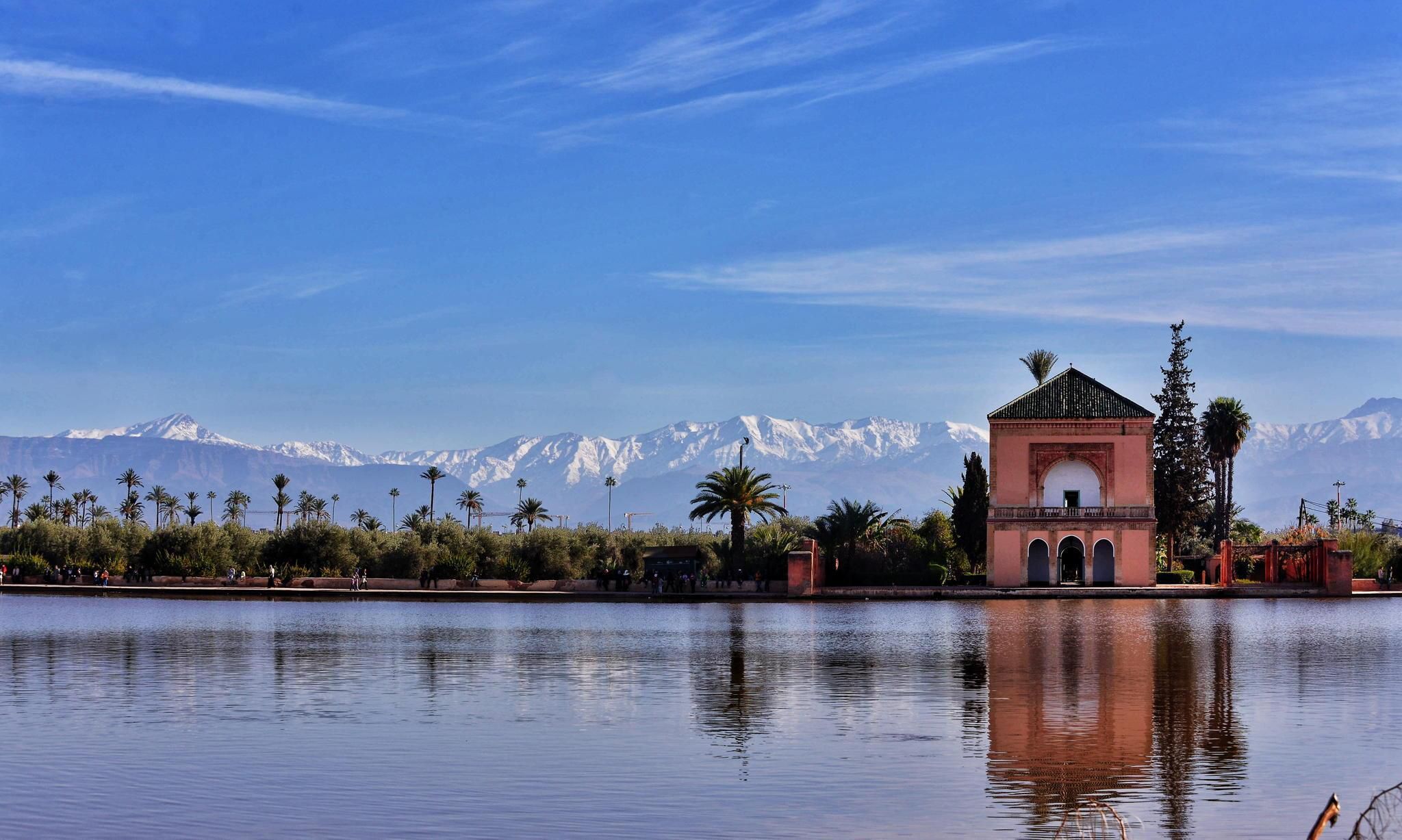
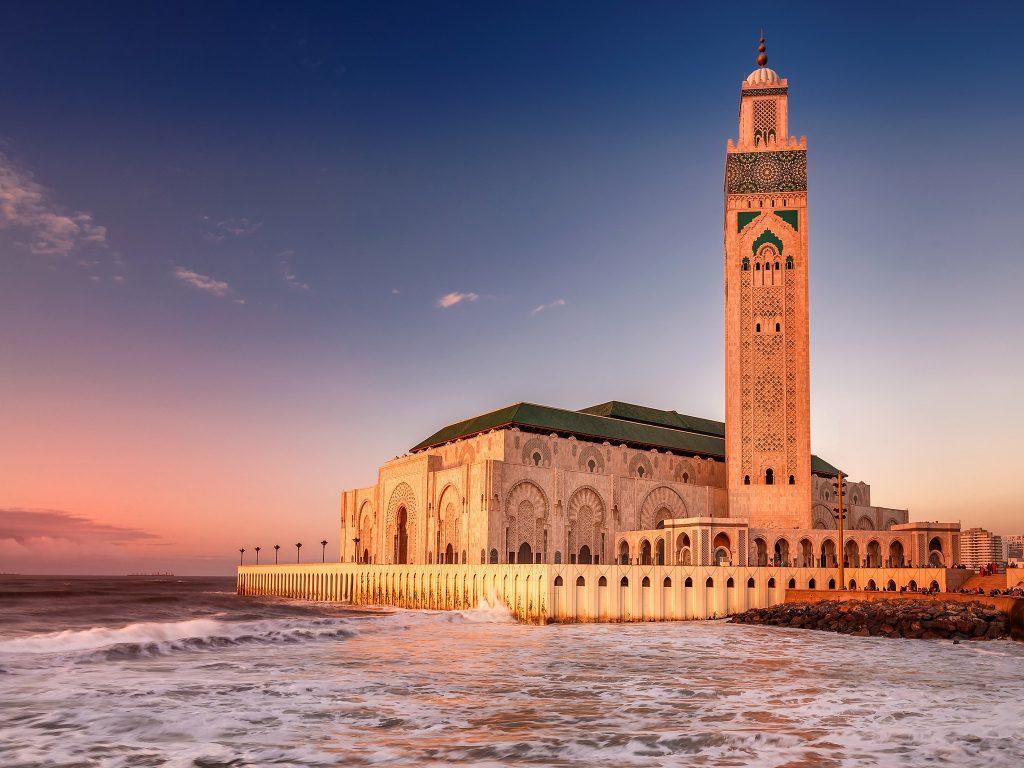
Each city has a kitchen of its own. Pick one and the dining map changes completely.
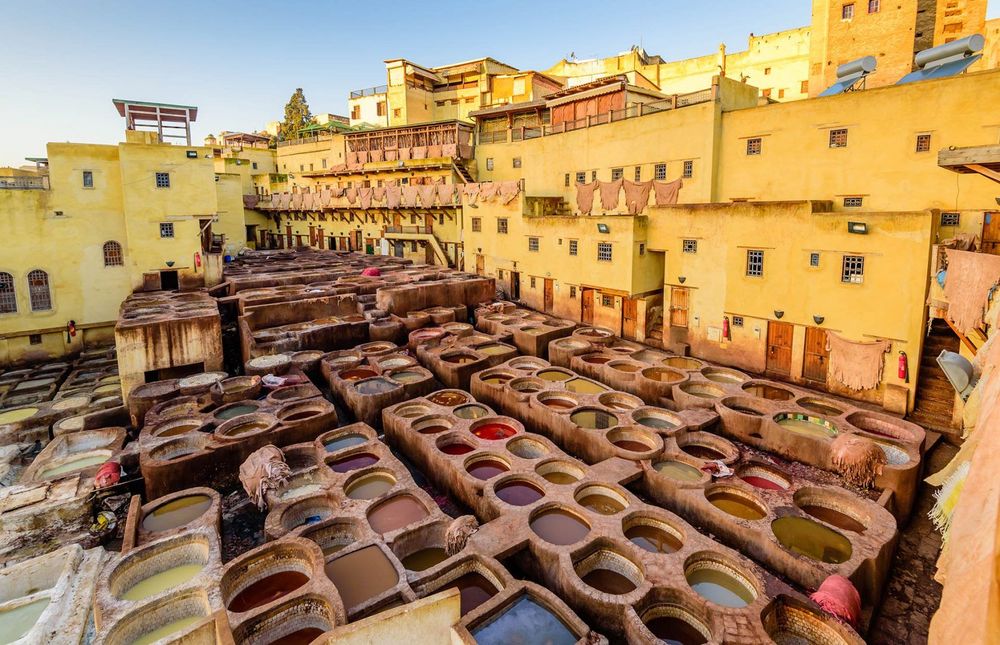
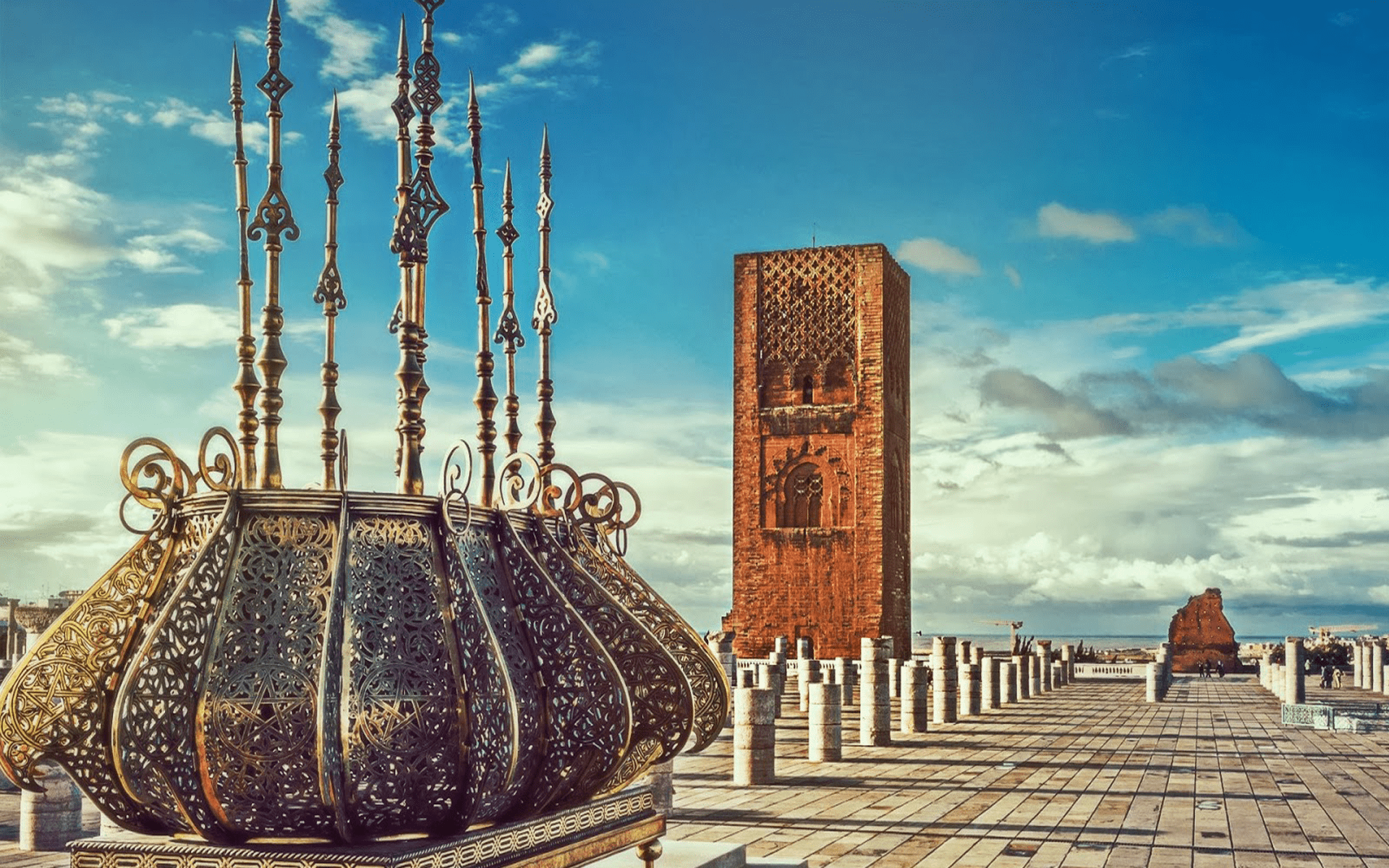
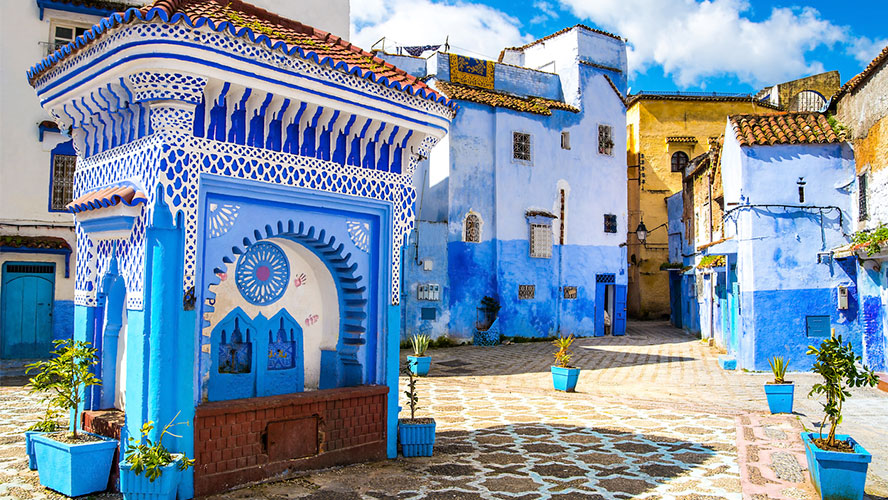
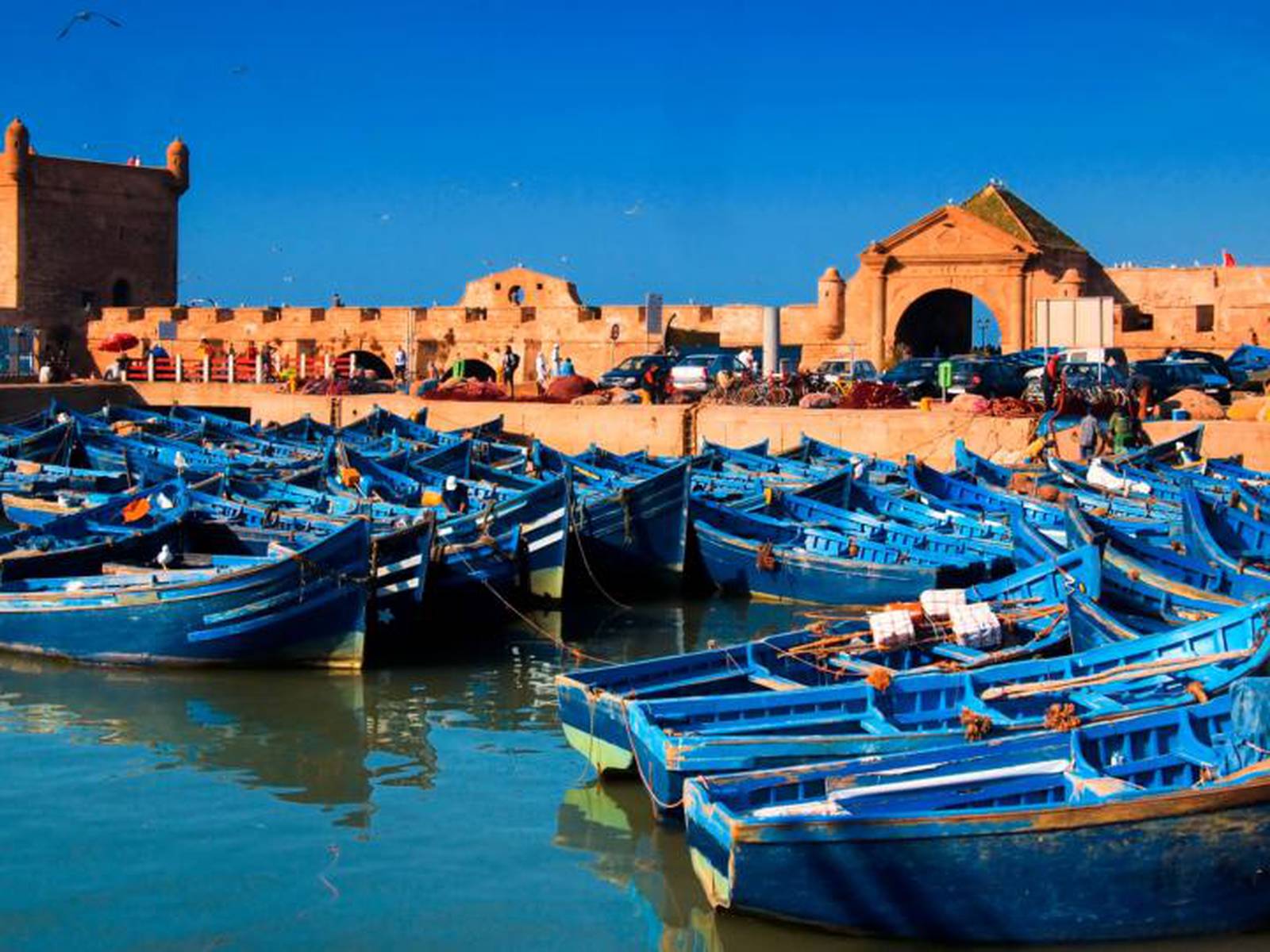
Trending now
The restaurants generating the most buzz right now, ranked by reviews and social signals
How the score works
Trustable rankings
Every restaurant carries a score built from public data, weighted by signal strength, adjusted for city and cuisine. Read it next to the kind of meal you are after, not as a verdict.
- Google rating, review volume, and recency.
- Instagram and TikTok engagement and posting frequency.
- Scored inside its city and cuisine lane, not against the whole country.
The only guide that truly understands the difference between a tourist trap and a grandmother's kitchen.
Common questions
Eating in Morocco, answered
Do you need reservations at Moroccan restaurants?
Riad-based restaurants in Marrakech and Fes typically require booking a day ahead, especially for tasting menus, dinner shows, and terrace tables. Casual cafes, port grills in Essaouira, and brochette stalls in any souk are walk-in. Friday lunch (couscous day) at family-run restaurants fills up by 1pm in Casablanca and Rabat, so call in the morning if you want a table.
What is the difference between a tagine and a tanjia?
A tagine is both the conical clay pot and the dish cooked under it: usually a slow-simmered stew of lamb or chicken with vegetables and preserved lemon, ready in two to three hours. A tanjia is an urn-shaped clay vessel sealed with parchment, packed with meat, saffron, and preserved butter, then buried in the embers of a hammam furnace for six to twelve hours. Tagines are everywhere; tanjia is essentially a Marrakech specialty.
Do Moroccan restaurants serve alcohol?
Licensed restaurants in Casablanca, Marrakech, Rabat, Tangier, and Agadir serve wine, beer, and spirits, typically French, Spanish, and Moroccan bottles. Most traditional family restaurants and almost all Medina riads inside Fes el Bali do not. The simplest signal is whether the menu shows a wine section. During Ramadan, alcohol service to Muslim customers is restricted by law and many licensed venues suspend service entirely.
How much should you tip at a Moroccan restaurant?
At sit-down restaurants, around 10 percent on top of the bill is the safe baseline, even when service is already included on the receipt. At cafes, grill stalls, and brochette stands, rounding up to the nearest 10 dirhams is normal. Cash dirhams are preferred over card add-ons, and smaller notes are more useful to staff than larger ones. Tipping in foreign currency is accepted but not the default expectation.
When is couscous served in Morocco?
Friday is couscous day across nearly every household and most traditional restaurants. The dish, semolina steamed three times over a meat and vegetable broth, is treated as the week's communal lunch, and the freshness peak is between roughly 12:30 and 3pm. Tourist-facing restaurants serve couscous all week, but the Friday version at a Medina restaurant or a family-run table is the one to plan around.
Can vegetarians eat well in Morocco?
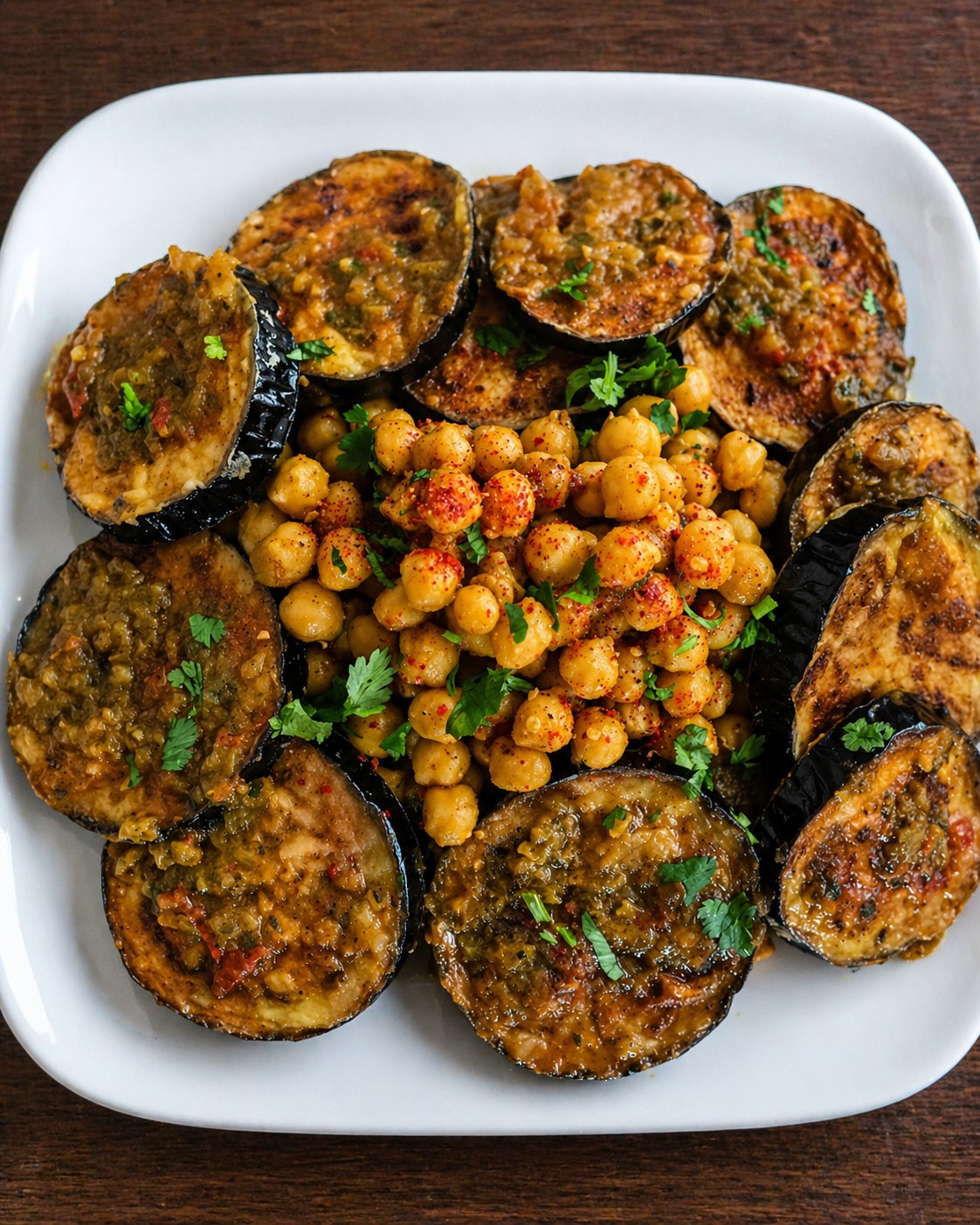
Yes, more easily than expected. Vegetable couscous, zaalouk (smoked aubergine dip), taktouka (tomato and pepper salad), bissara (broad bean soup), Moroccan salad, khobz with amlou, and vegetable tagines are all standard. Asking for "sans viande" — without meat — is universally understood. Vegan is harder: broths are often built on chicken stock and many breads use butter, so confirm before ordering.