C
Café 212
4.5★94 reviews
$Price
MeknesRue de Bendoeng
About this restaurant
Café 212 is a cafe table in Meknes. Meknes eats with the confidence of an imperial city that doesn't need to shout. It carries a 4.5 Google rating across 94 reviews. Prices sit at the budget end of the city.
Data from Google Maps. Scores are algorithmic, not paid placement. How we rank
What you'll eat at Café 212
Café 212 is part of the café and breakfast side of the Moroccan dining day in Meknes, which runs its own distinct rhythm from the lunch and dinner kitchens. The dishes below are the grammar you will see on the menu.
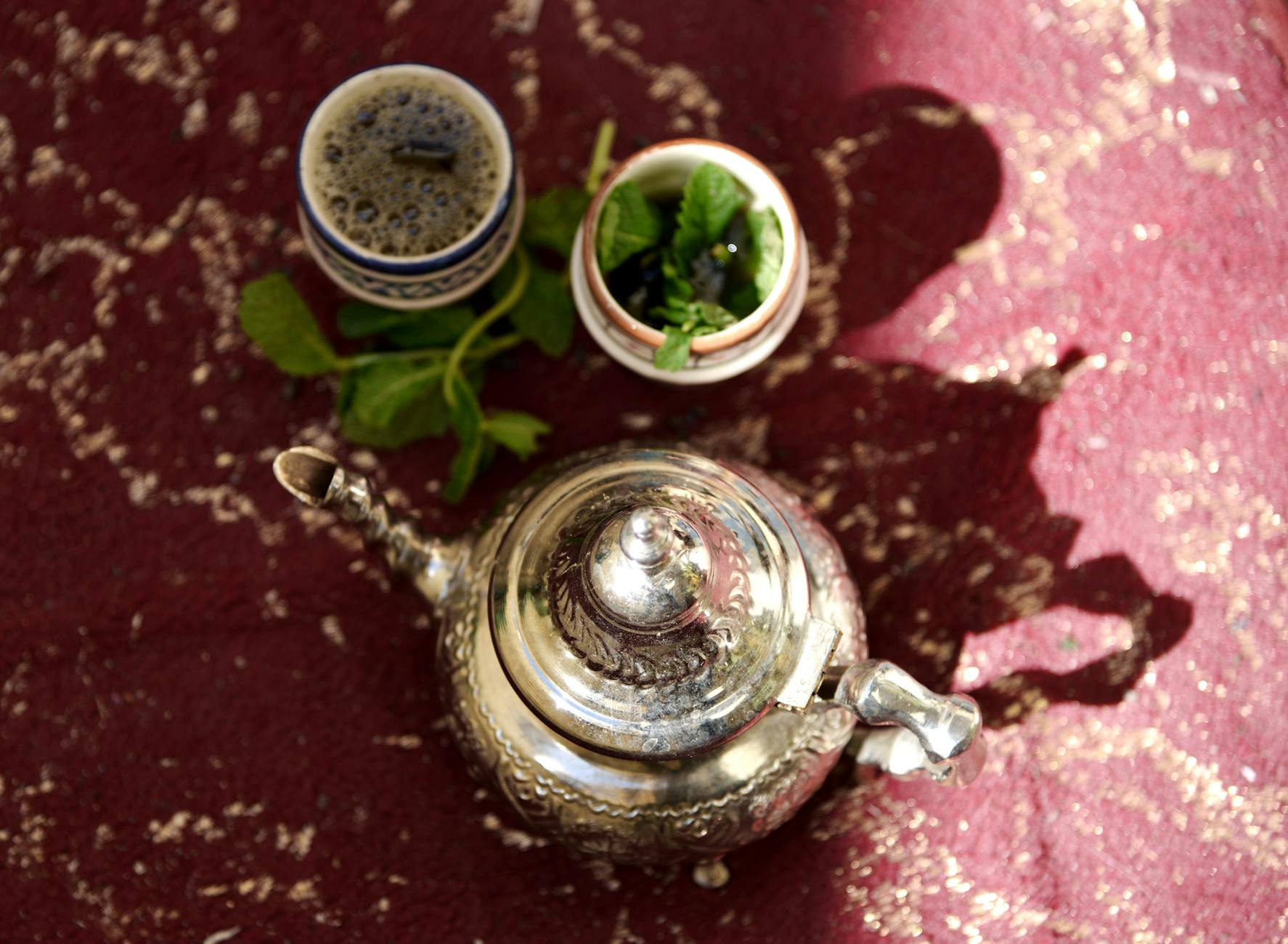
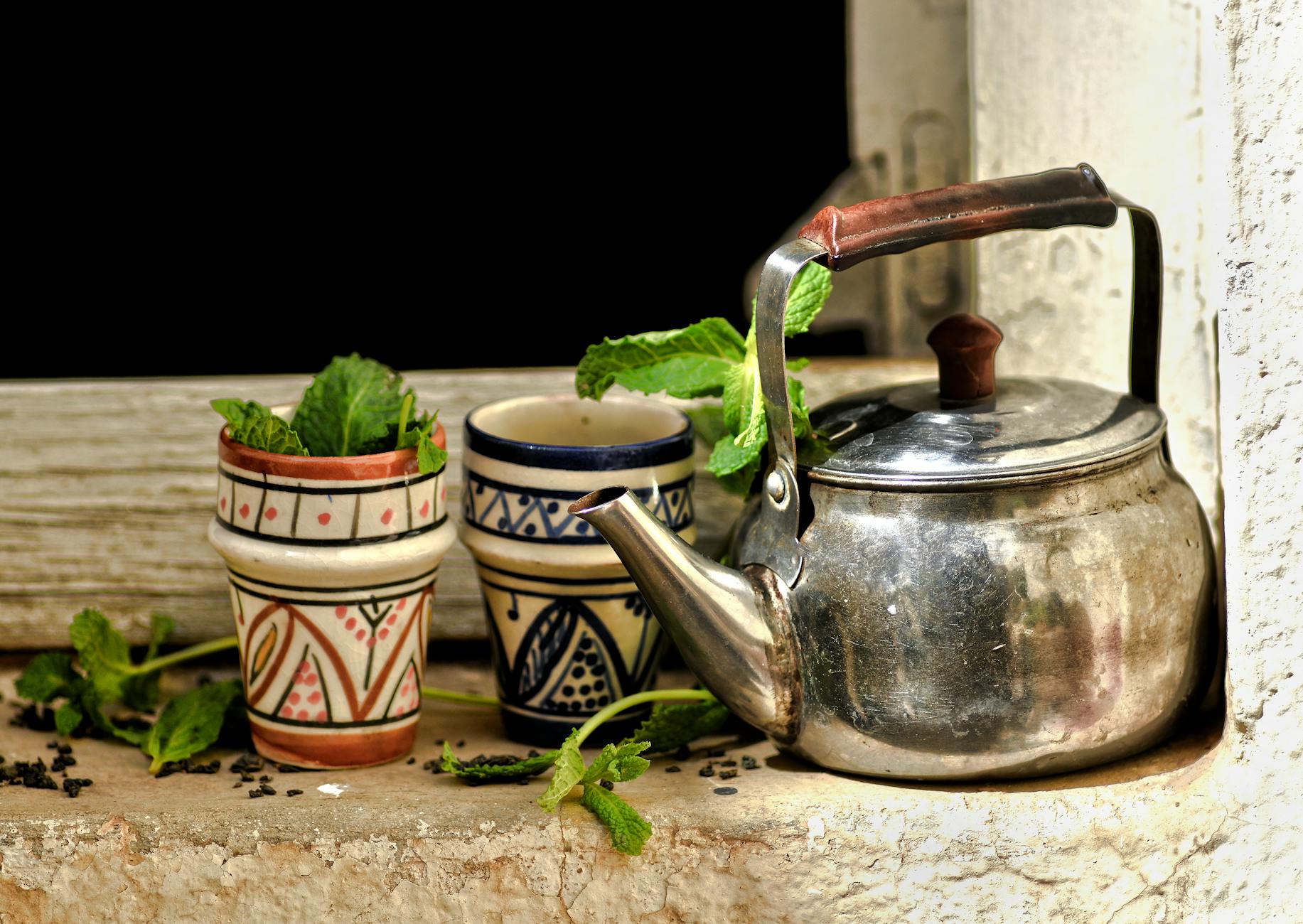
The Moroccan breakfast is its own category. Msemen — thin, layered, griddled pancakes brushed with butter — arrives alongside harcha (a semolina cornbread), beghrir (honeycomb pancakes drowned in honey and butter), khobz with amlou (almond and argan oil spread), olive oil, and fresh orange juice. A pot of strong mint tea, or sometimes coffee with steamed milk (nous-nous), is the anchor. This is the working breakfast across the country, served from 7am into midday at cafés and specialist breakfast houses.
French-inflected pastry runs in parallel. Croissants, pains au chocolat, millefeuilles, cannelés, macarons, and tartes aux fruits are standard in the upper-tier patisseries of Casablanca, Rabat, and Marrakech, often to a standard that would hold up in central Paris. Moroccan pastries — kaab el ghazal (gazelle horns), briouats stuffed with almond paste, chebakia soaked in honey — sit side by side with the French cabinet. Most proper cafés sell both and expect you to order a mix.
The afternoon sitting matters as much as breakfast. Between four and six in the afternoon, every café fills with pots of mint tea, sweet pastries, and long conversations. Specialty coffee has arrived in a real way — flat whites, pour-overs, single-origin Ethiopian beans — without displacing the traditional café noir. A good modern Moroccan café can serve you a perfect espresso, a proper msemen, and a handful of briouats on the same visit. Pick one thing from each cabinet.