Clay Oven
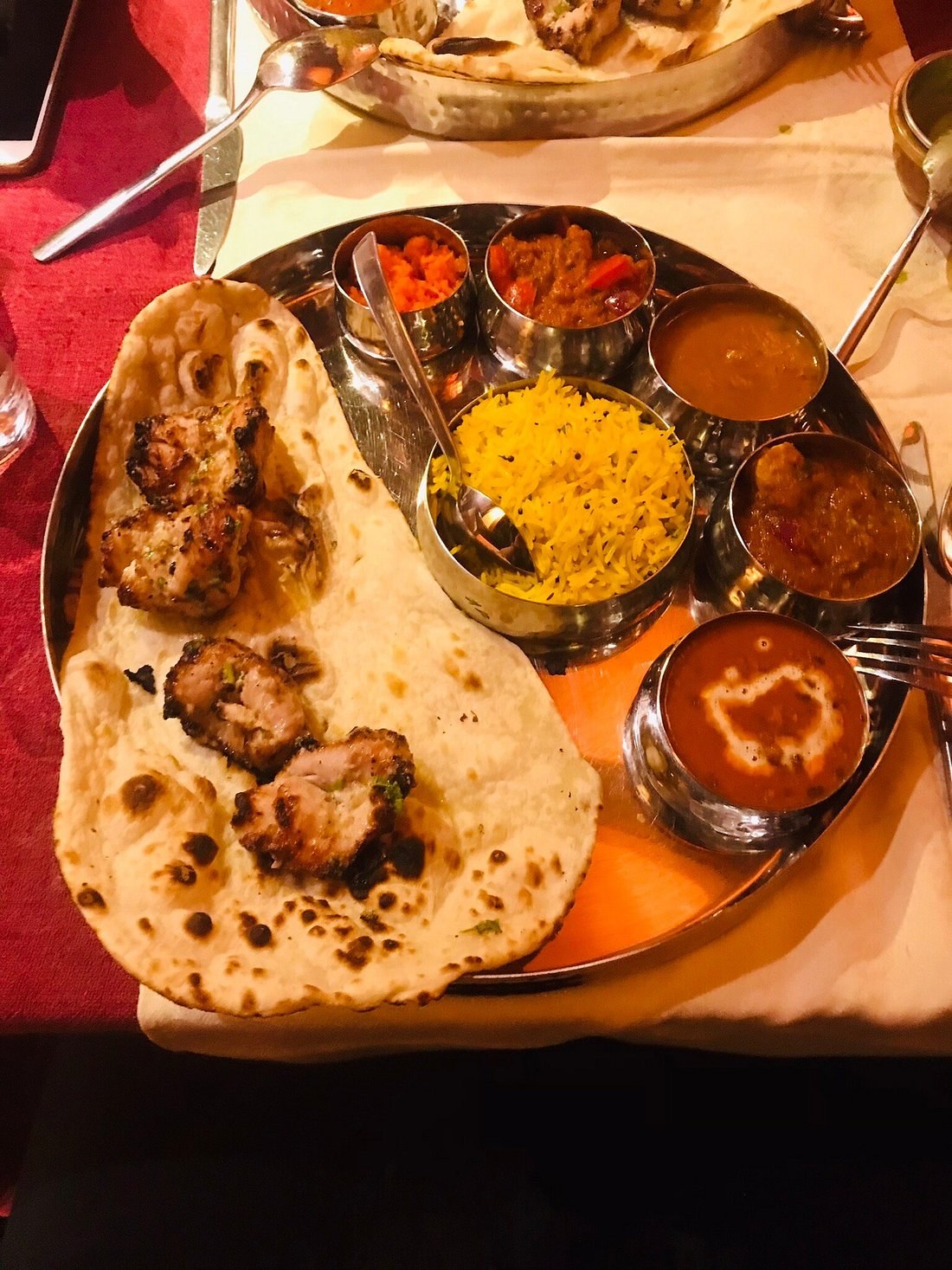
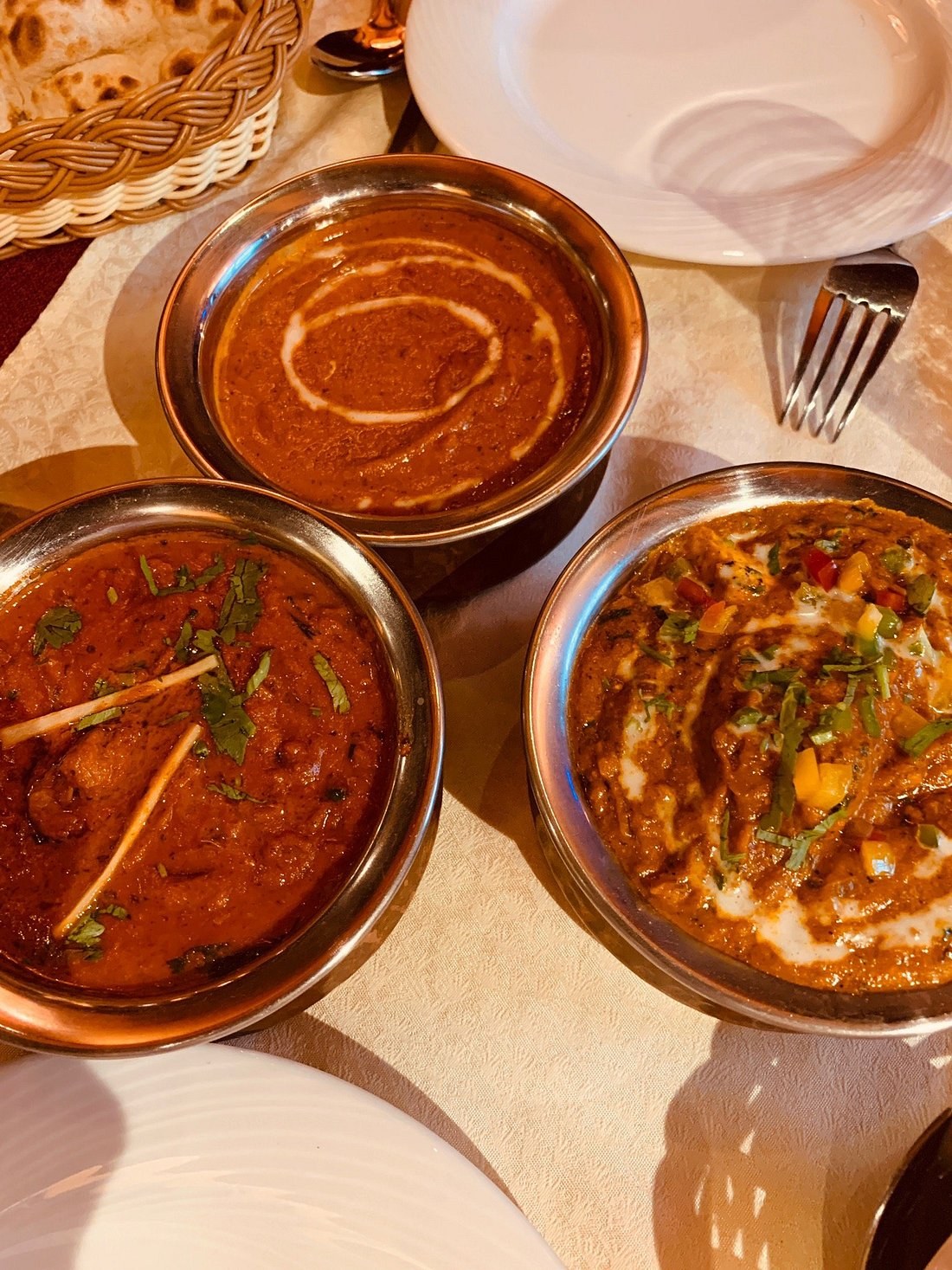
Indian tandoori and curry in Hay Riad
4.6★1,681 reviews
$Price
Rabat6
About this restaurant
An Indian restaurant in the Hay Riad district specialising in tandoori cooking, curries, and naan breads.
Data from Google Maps and social signals. Scores are algorithmic, not paid placement. How we rank
What to order
Curry
What you'll eat at Clay Oven
Clay Oven works inside the Asian cooking scene that has settled into Morocco over the last decade, especially in Rabat. The paragraphs below explain what that scene actually looks like at the table.
Asian cooking reached Morocco's dining scene through a specific route: Casablanca's port, returning expats, and the hotel restaurant circuit. The strongest Asian kitchens in the country now are full concept rooms that take one cuisine — Japanese, Thai, Vietnamese — and run it seriously, rather than the old pan-Asian mix. Sushi counters in Casablanca and Marrakech import bluefin, yellowtail, and salmon on specific weekly schedules; the ones worth booking will tell you which day their fish arrives.
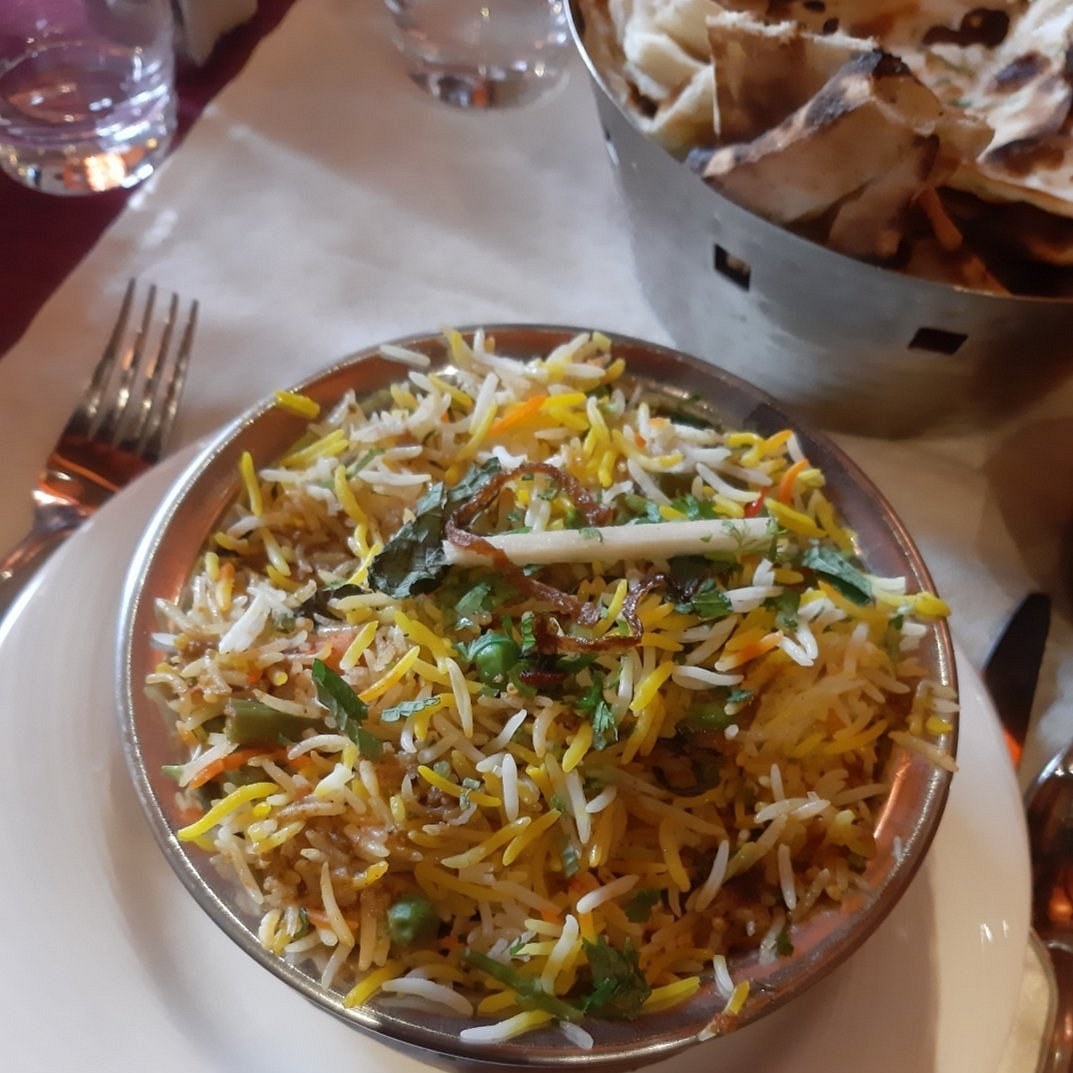
Japanese menus here centre on nigiri, sashimi, maki, and a small hot section of teppanyaki, tempura, and ramen in the better places. Thai cooking leans on green and red curries, pad thai, tom yum, and grilled skewers with peanut sauce — the best versions use fresh galangal, kaffir lime leaves, and Thai basil rather than dried substitutes. Vietnamese pho, bun cha, and summer rolls are newer arrivals but have built real followings in Casablanca. Indian restaurants lean to North Indian — dal, butter chicken, biryani, tandoori — and almost always run with a separate tandoor chef.
How you eat in an Asian restaurant in Morocco is a little different from how you would eat in Bangkok or Tokyo: portions run larger, shareability is built in, and rice is expected at every table. Many places have adapted for the local palate on heat, so if you want dishes cooked to the menu's origin country, say so when you order. Sake, Thai beer, and Asian-forward cocktails have become part of the scene — ask the room what they pour, not just what the bar lists.