Welcome · Bienvenue · أهلاً بك · ようこそ
غرفة المغرب لتناول الطعام مفتوحة
الأغطية تُرفع. أتاي بالنعناع يُسكب من علٍ. الفحم يتقد. دليل مستقل للموائد التي يجلس إليها المغاربة لوجبة حقيقية — طواجن، كسكس، سمك الساحل، سبع مدن.
تفضّل بالجلوسكيف يأكل المغاربة
من القدر الفخاري إلى حفرة الفحم
“المائدة هي حيث يعيش تاريخنا، متبَّلًا بالكمون والصبر.”
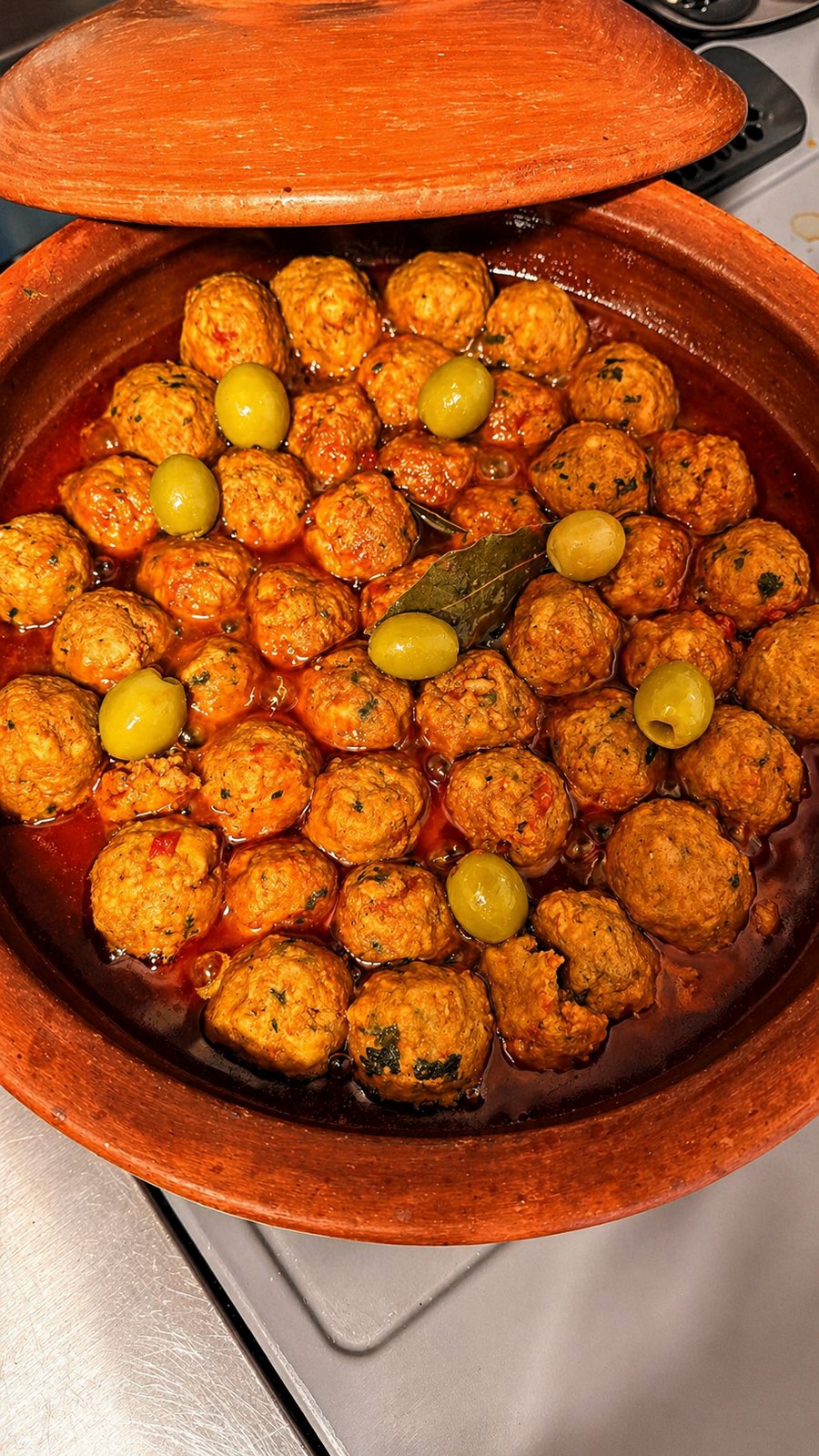
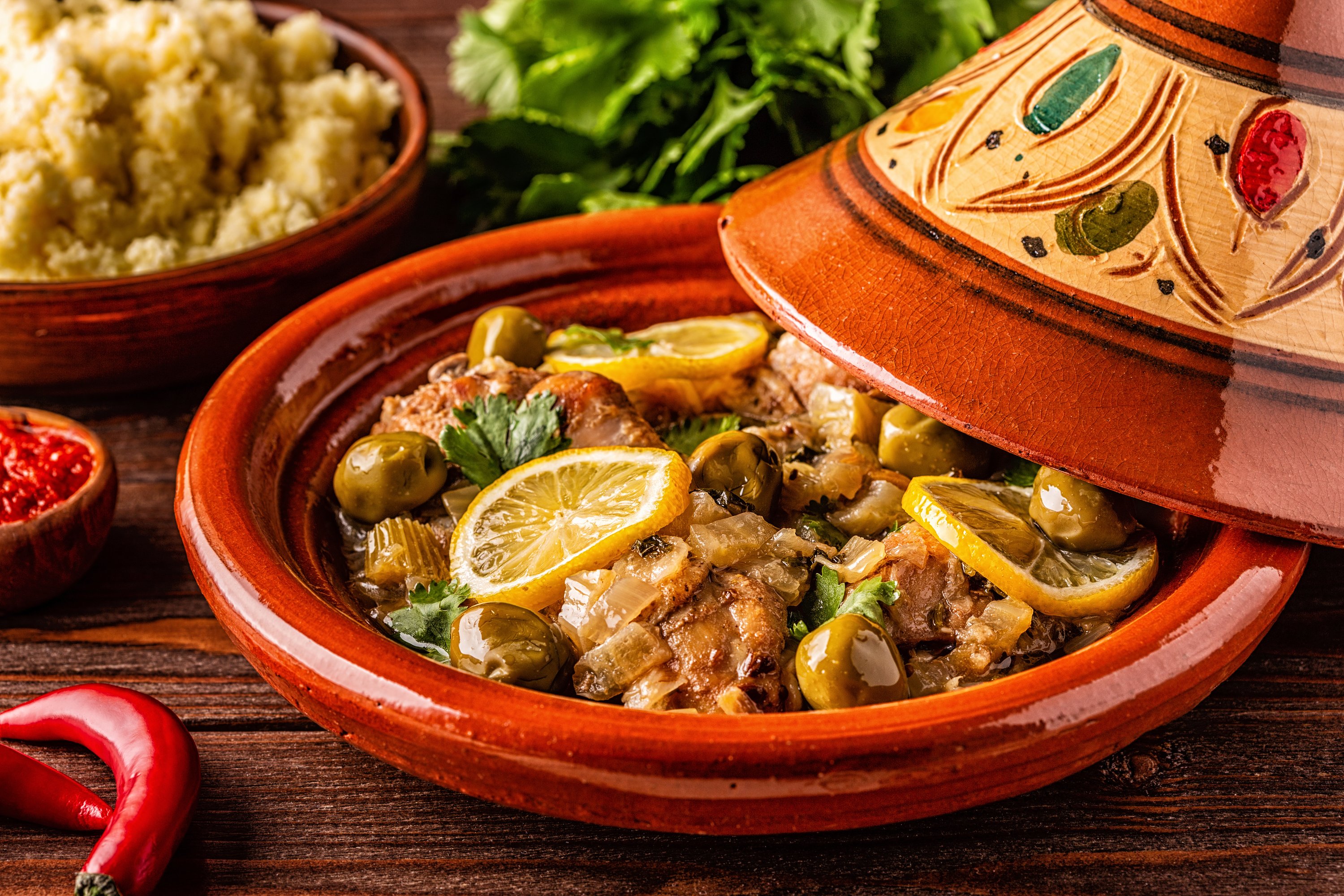
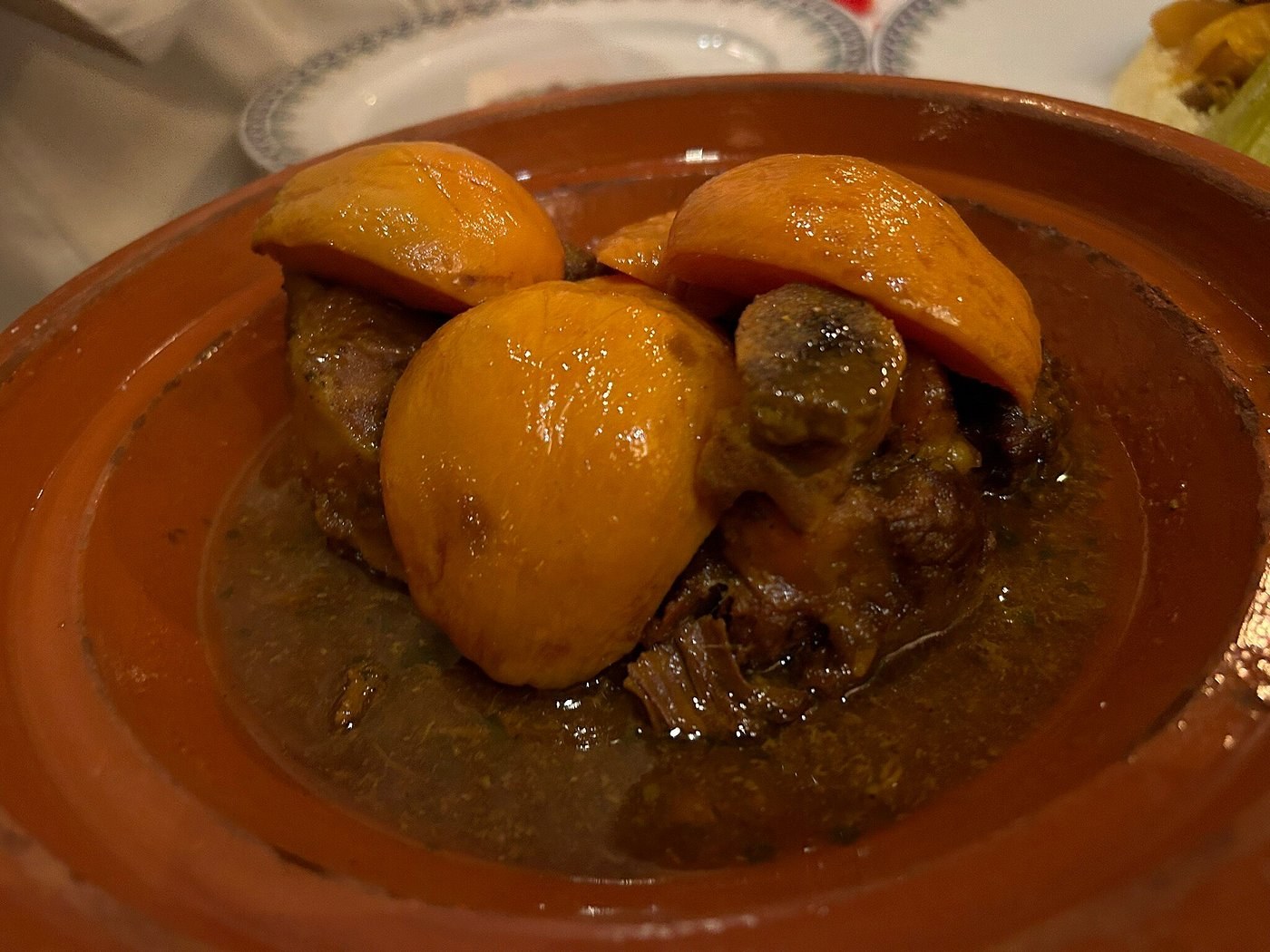
الطاجين والطنجيةأطباق فخارية بطيئة، لحم خروف بالبرقوق، دجاج بالليمون المصبر، بقر بالسفرجل.
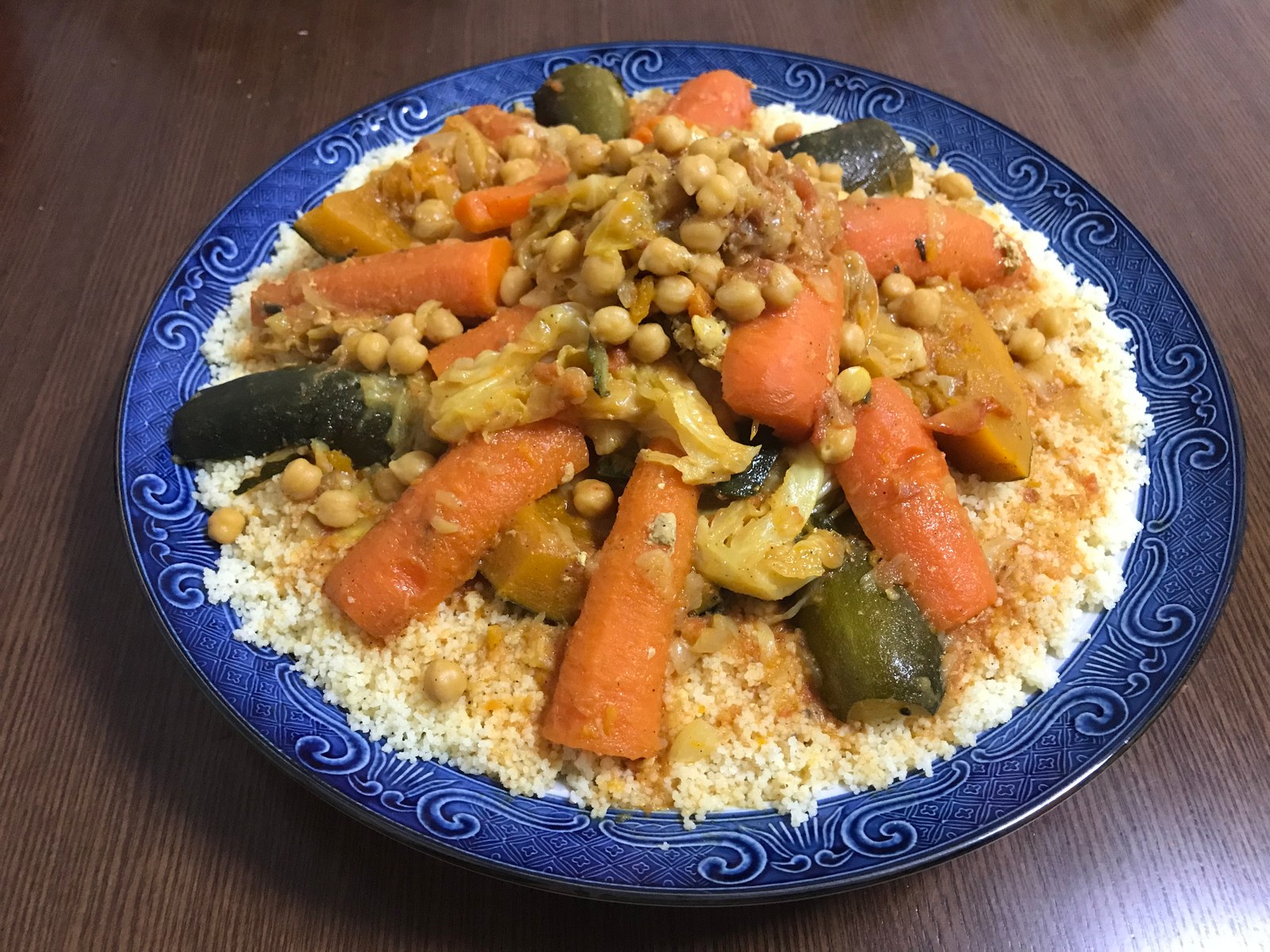
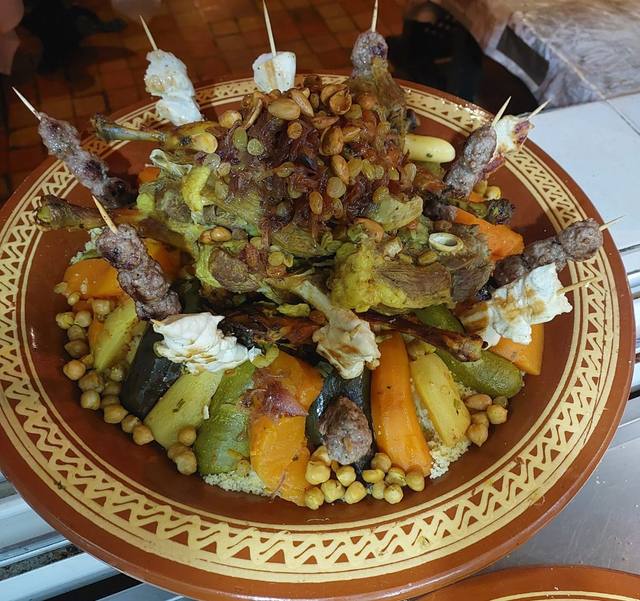
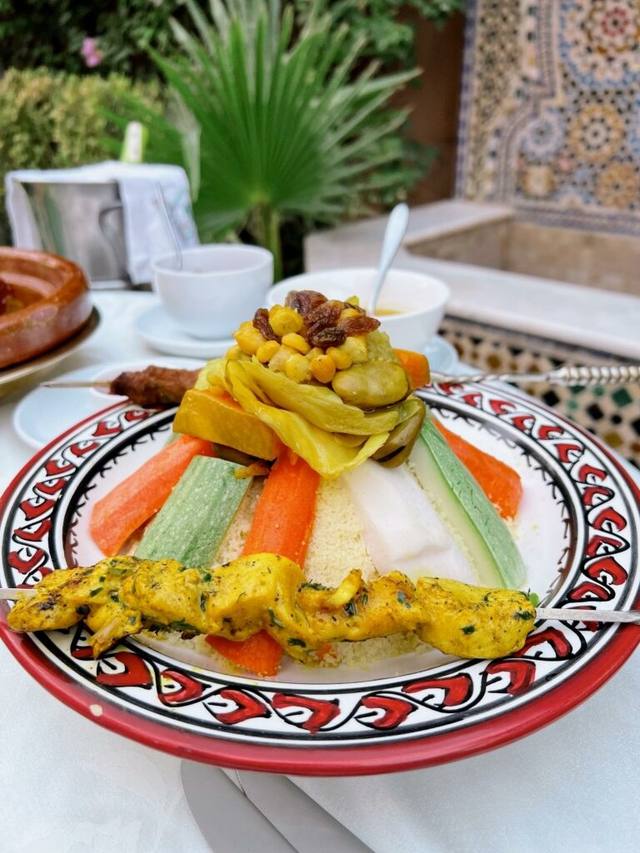
كسكس الجمعةمبخر ثلاث مرات، يقدم بسبع خضراوات ومرق، طقس أسبوعي للعائلة.
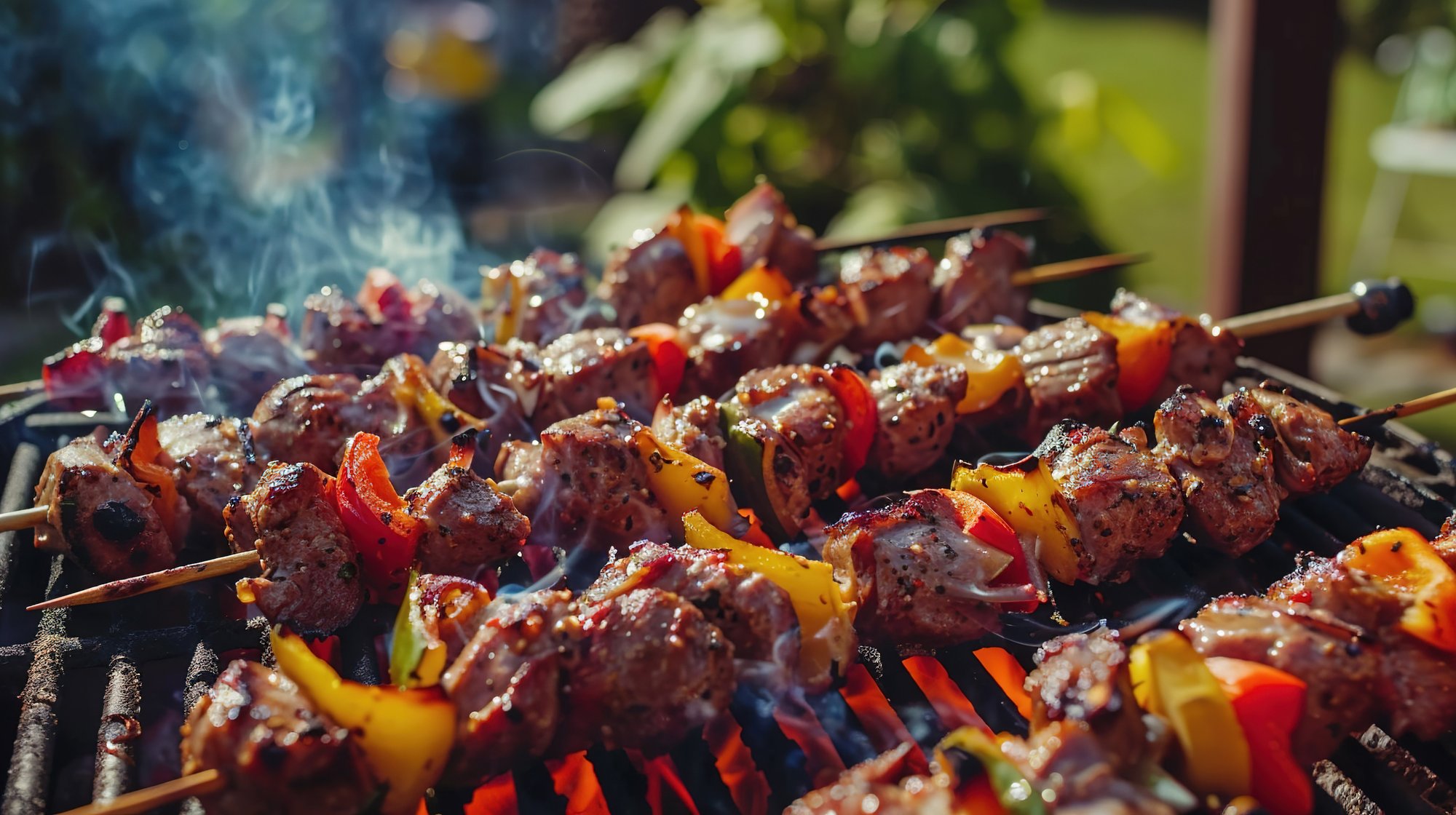
الفحم والدخانحفر المشوي، السفافد، الكفتة تشتعل فوق خشب الزيتون في عمق السوق.
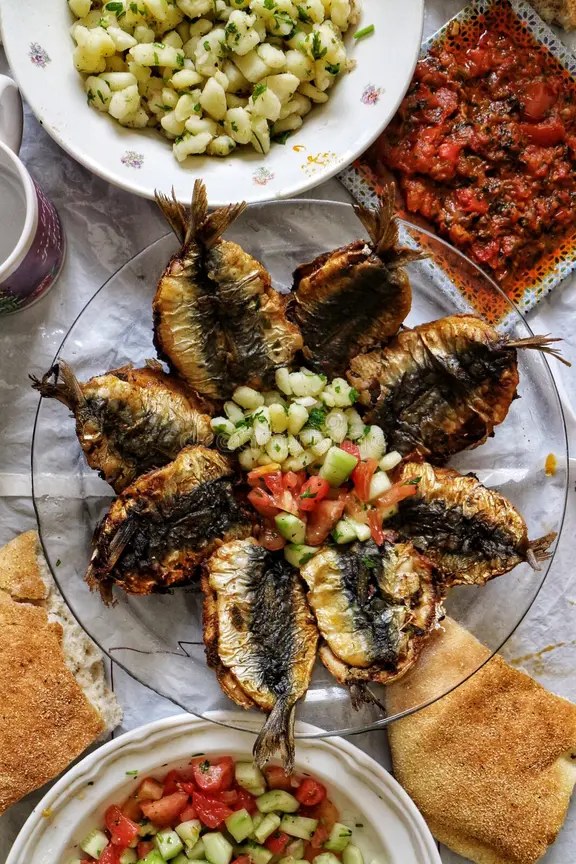
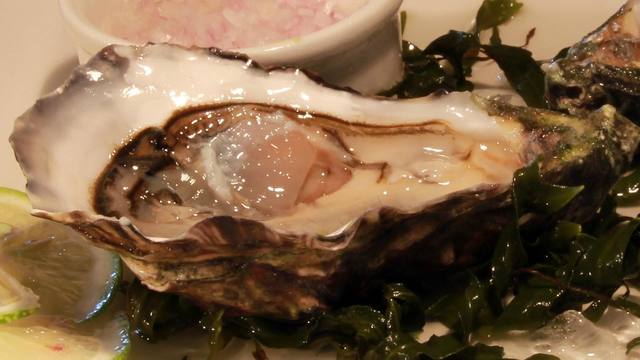
الأطلسي والمتوسطسردين من الميناء، كاليماري بالشرمولة، قلي صغير بجانب المرفأ.
ماذا تذوق المائدة المغربية حقاً
المطبخ المغربي مكون من طبقات بقدر ما البلد طبقات. مطبخ أمازيغي جبلي، حلويات أندلسية، تجارة بهارات عربية، ثقافة حبوب صحراوية، طبخ يهودي بطيء، سواحل أطلسية ومتوسطية: كل واحدة تركت وصفة في القدر. كل لمدة أسبوع هنا وستذوق خمسة قرون من التجارة والهجرة وصلت إلى المائدة نفسها.
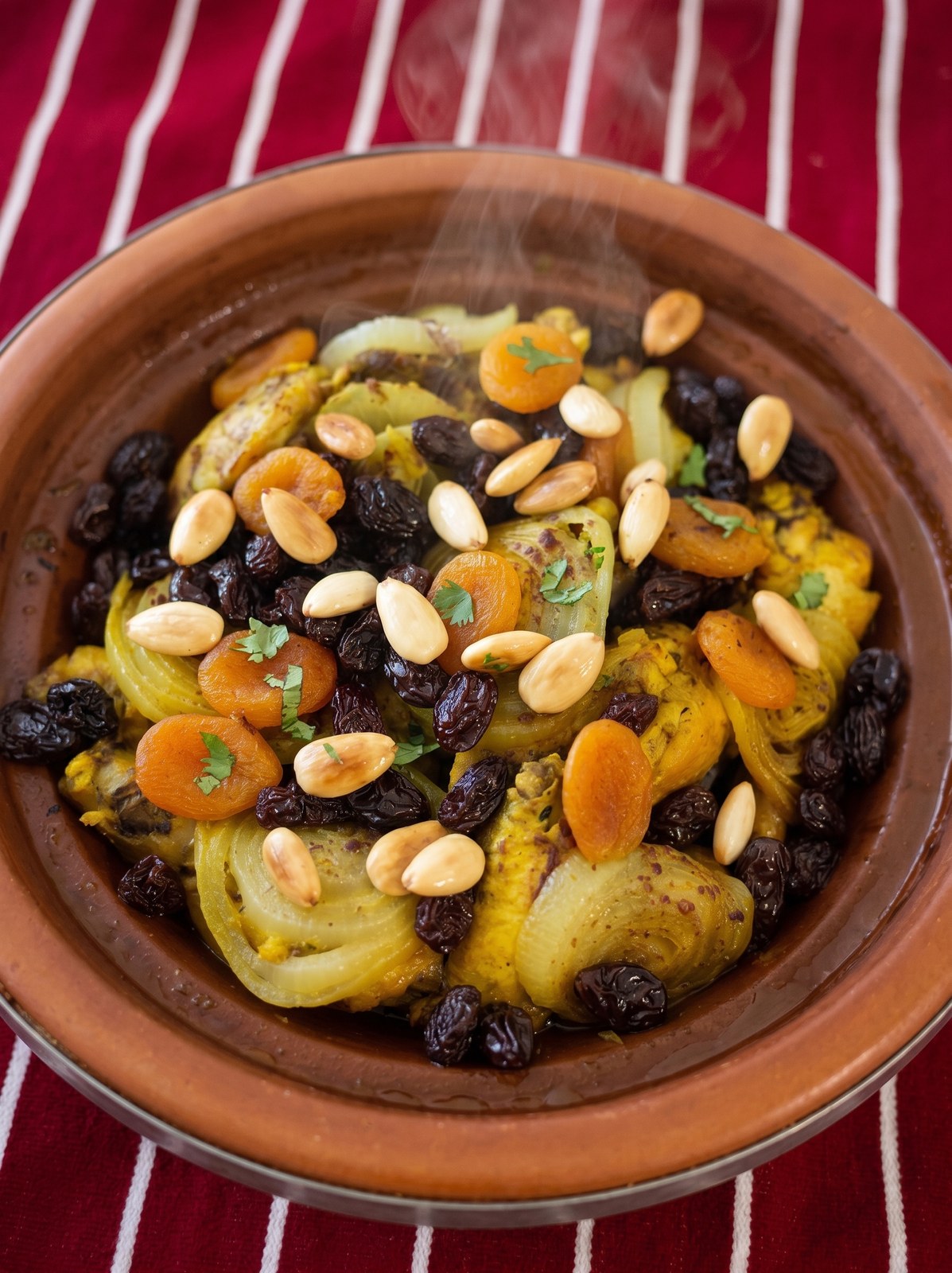
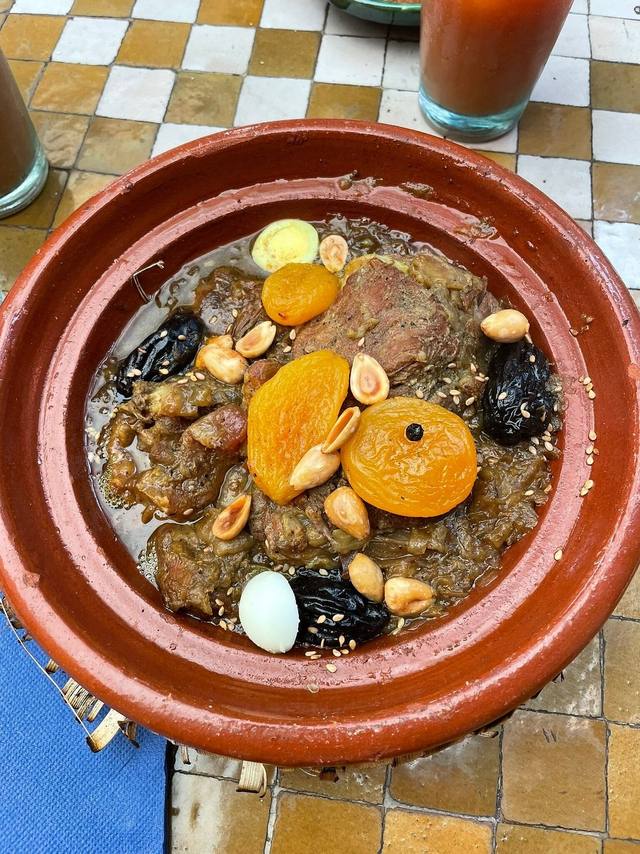
التقنية المؤسسة هي الصبر. الطاجين والطنجية ليسا طبخ أمسية؛ بل أوعية فخارية فوق الجمر أو مدفونة في حرارة فرن الحمام، تحول ببطء اللحم والبرقوق والليمون المصبر والزعفران إلى شيء يكاد ينتشر بالملعقة. الكسكس، غداء جمعة كل بيت تقريباً، يُبخر ثلاث مرات حتى تبقى كل حبة منفصلة تحت بحيرة من المرق وسبع خضراوات.
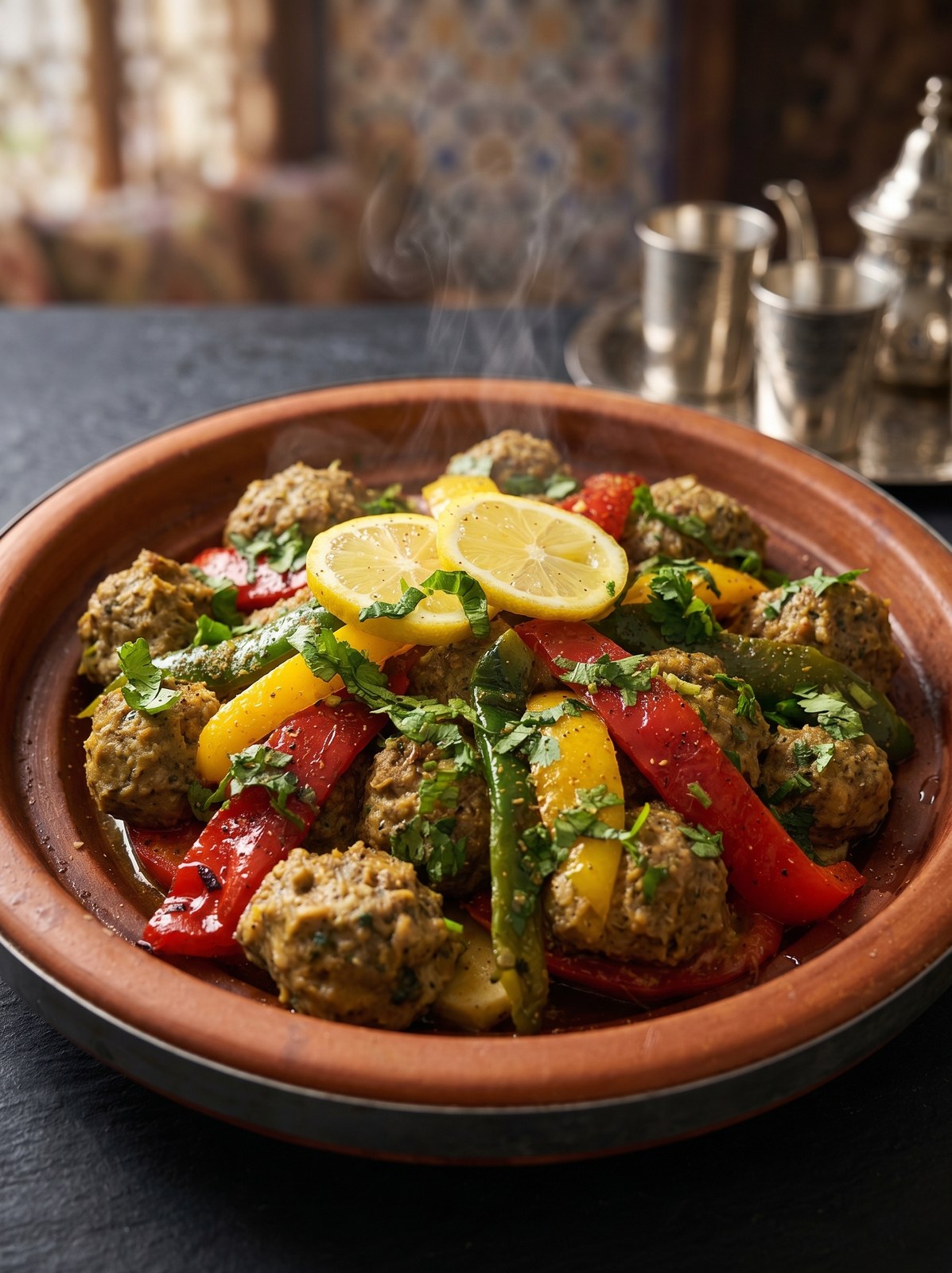
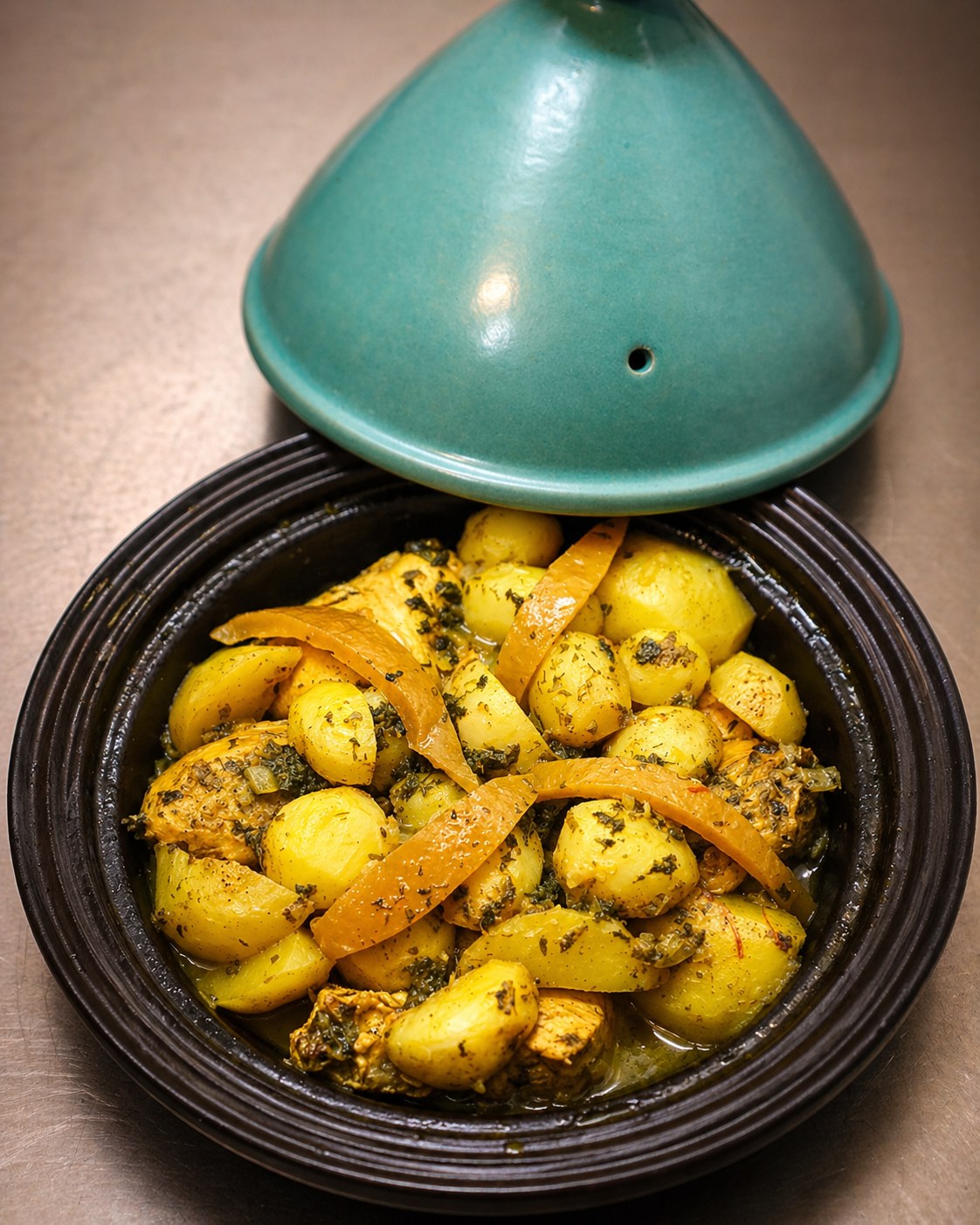
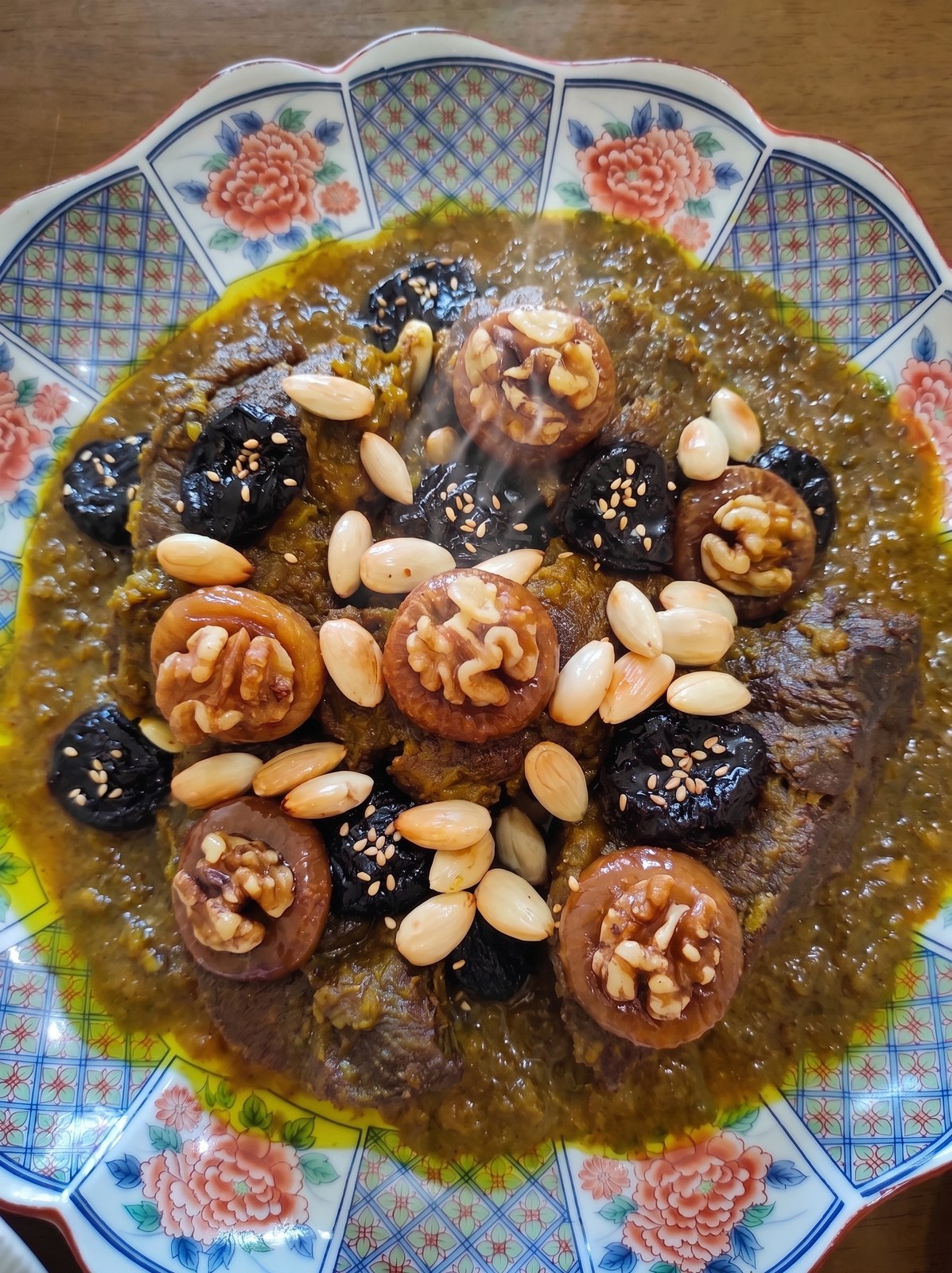
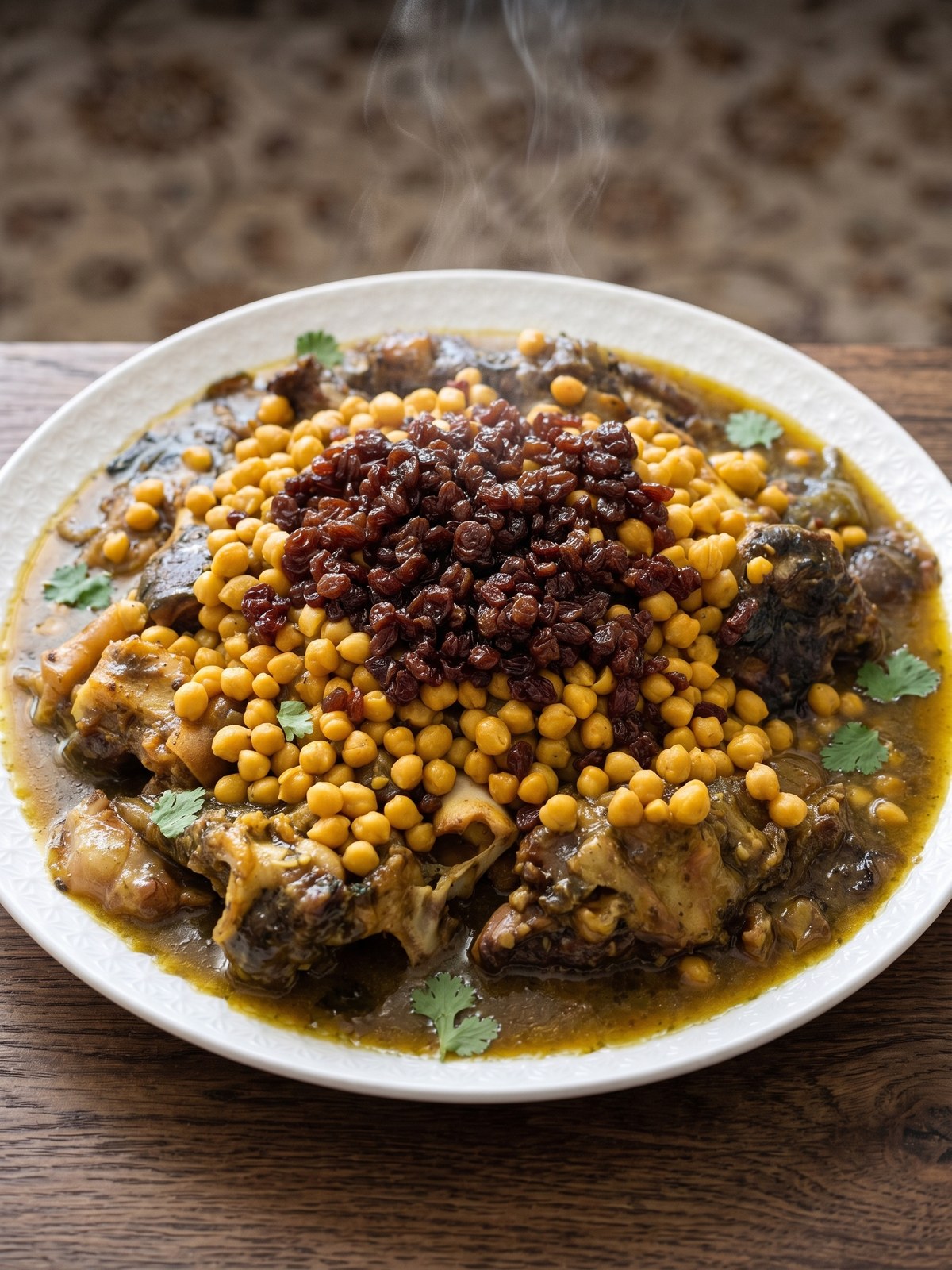
ثم هناك المغرب الآخر، مغرب الفحم والصخب. حفر المشوي في الأزقة وراء جامع الفنا. السفافد المقلوبة على خشب الزيتون عند طرف الطريق. السردين المسحوب من الأطلسي في الصويرة والمشوي بعد عشر دقائق. الحريرة الساخنة عند الغروب في رمضان. البغرير المغمور بالعسل والزبدة على الفطور. أتاي بالنعناع المصبوب من علو، ثلاث مرات، في كؤوس لا تفرغ.
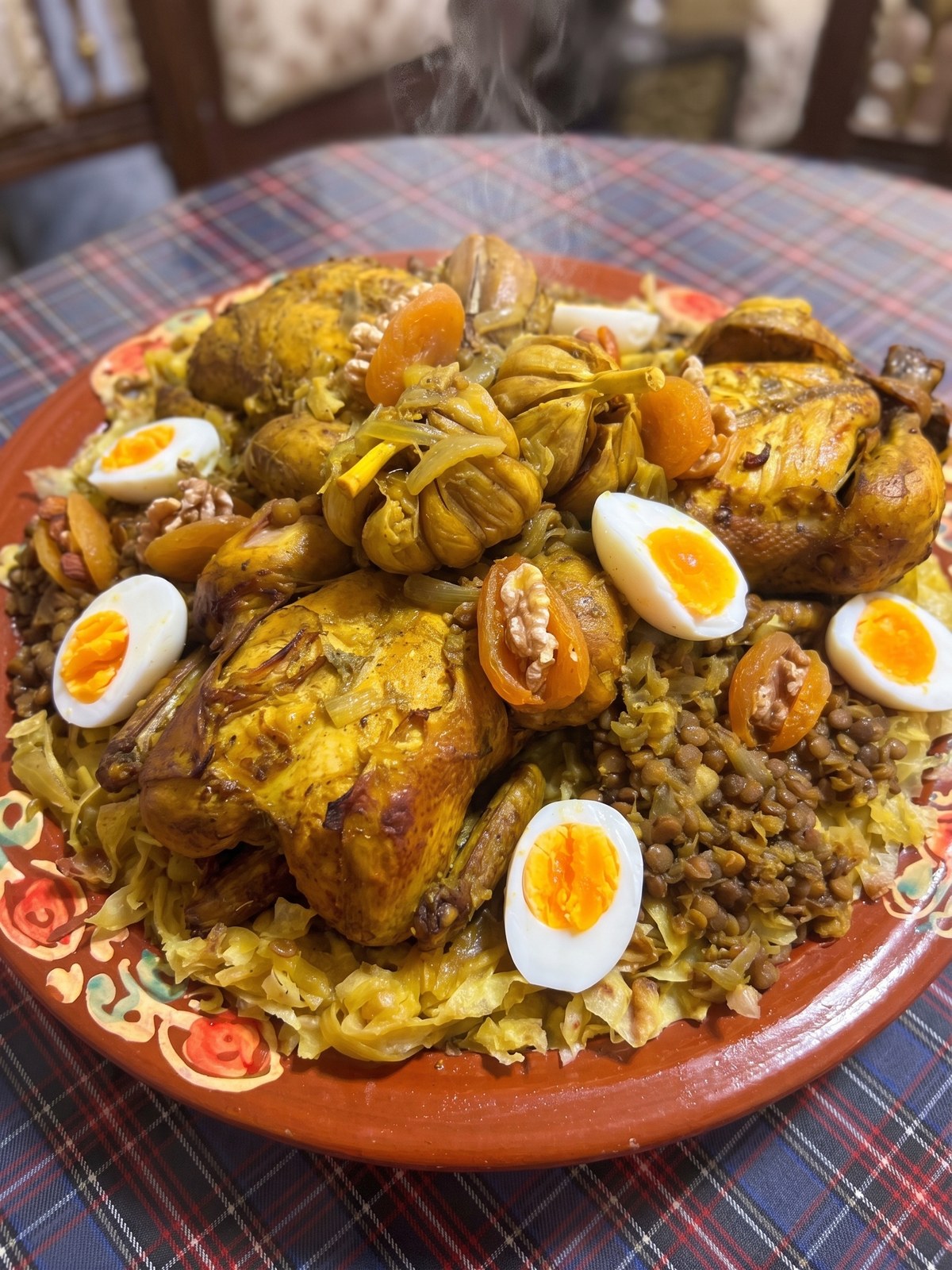
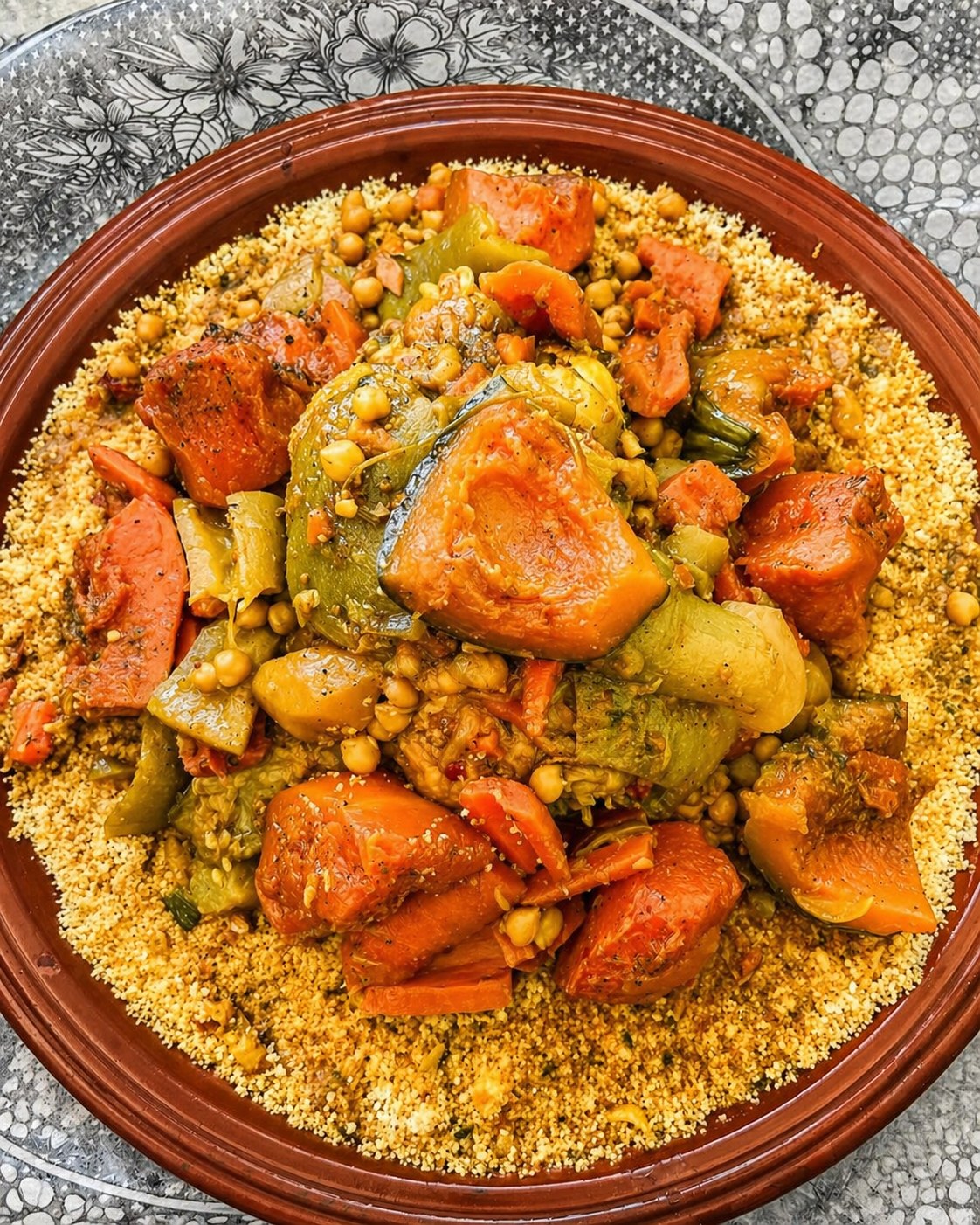
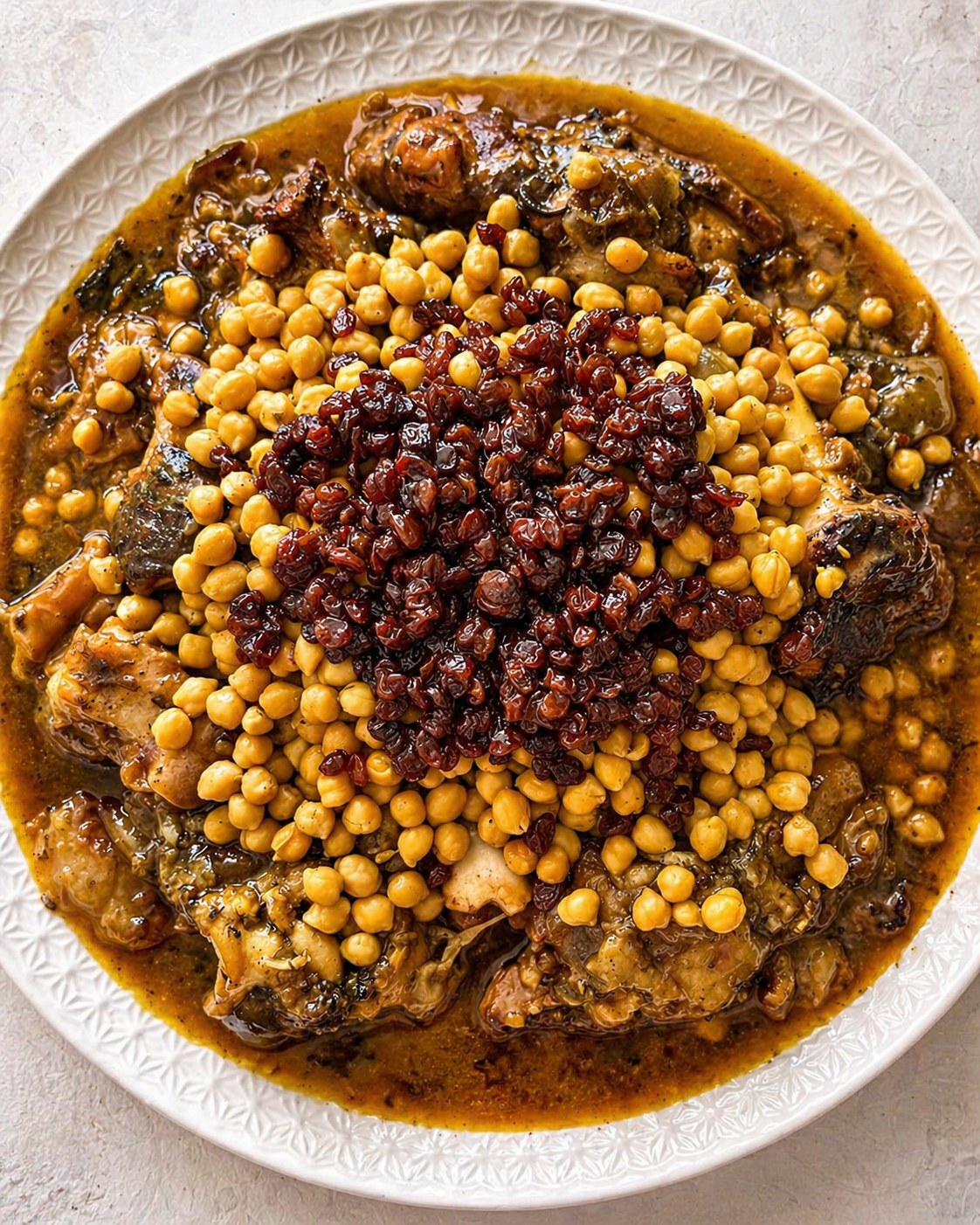
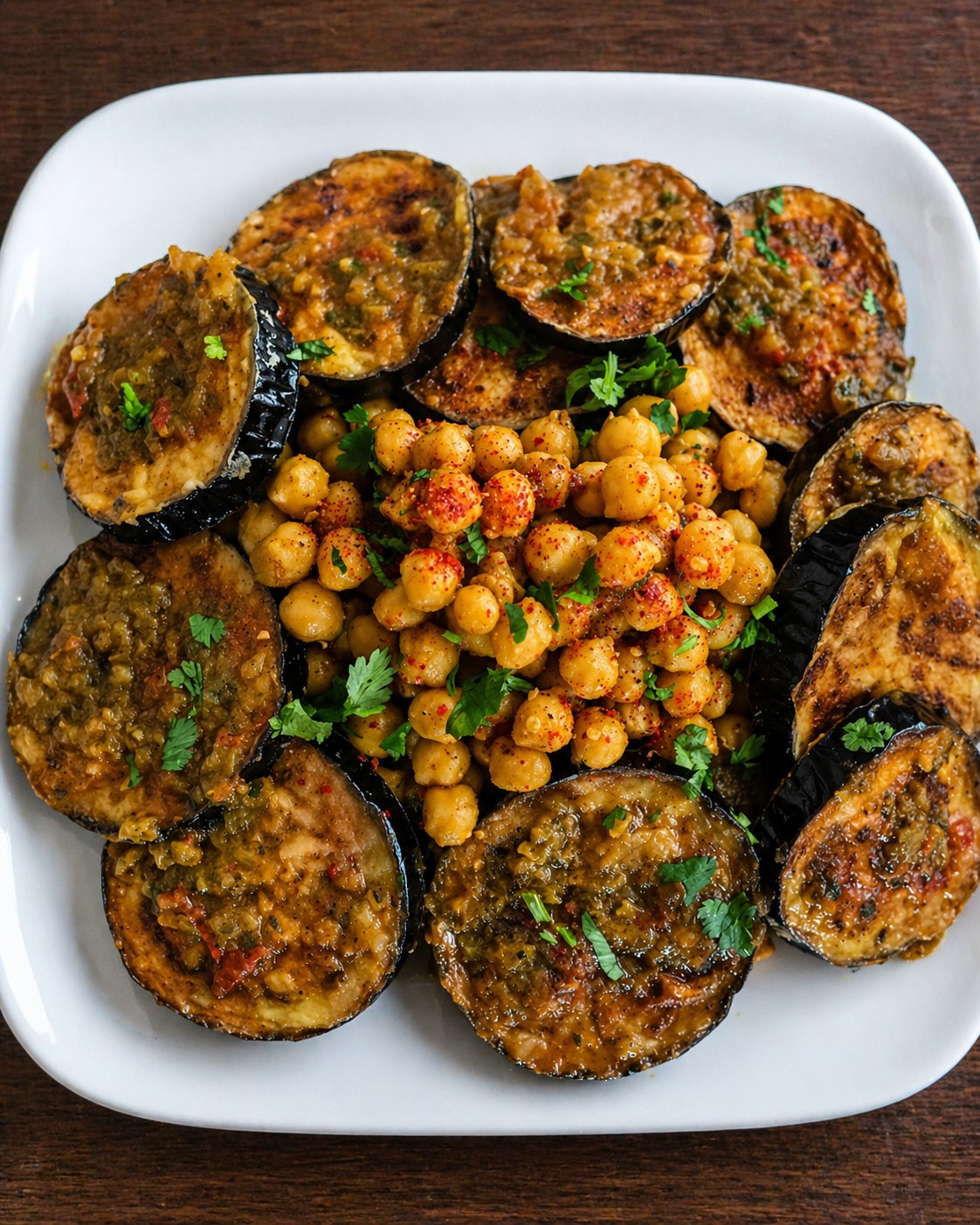
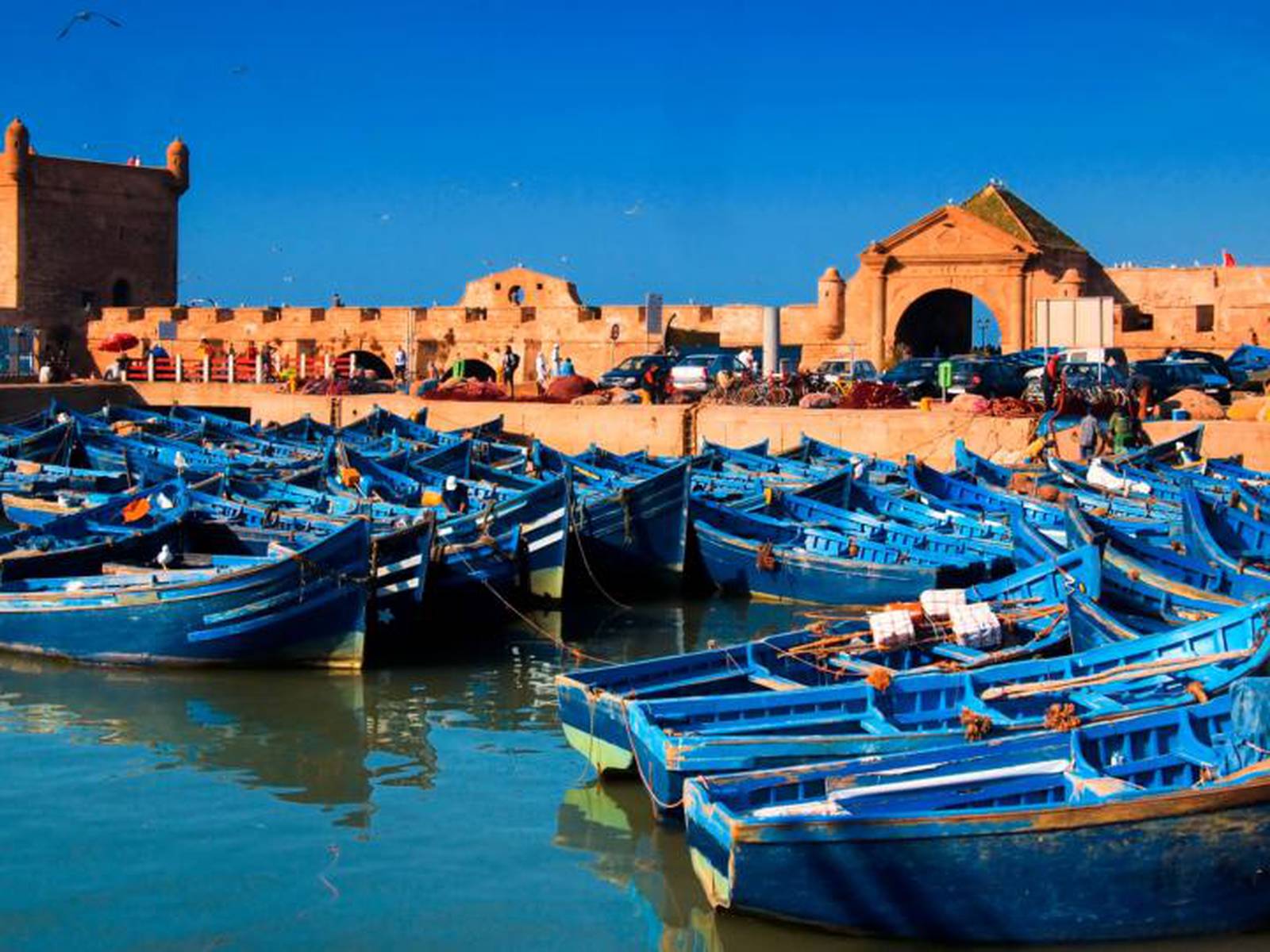
كل مدينة تطبخ بطريقتها. فاس تميل إلى الأرستقراطية، بالبسطيلة الملفوفة في ورق الوارقة الرقيق وبالرفيسة المبنية على المسمن المقطع ببطء. مراكش صاخبة ومكتظة باللحم، عاصمة الطنجية وصحون السفة المتبخرة. طنجة تأكل بقدم في الأندلس. الصويرة تعيش على ما جلبته القوارب صباحاً. الدار البيضاء تدور على البيسترو والبراسري. الرباط تتعشى بهدوء وبجودة. أكادير تشوي تحت أشجار الأركان. معرفة المدينة بطبقها هو نصف فائدة السفر هنا.
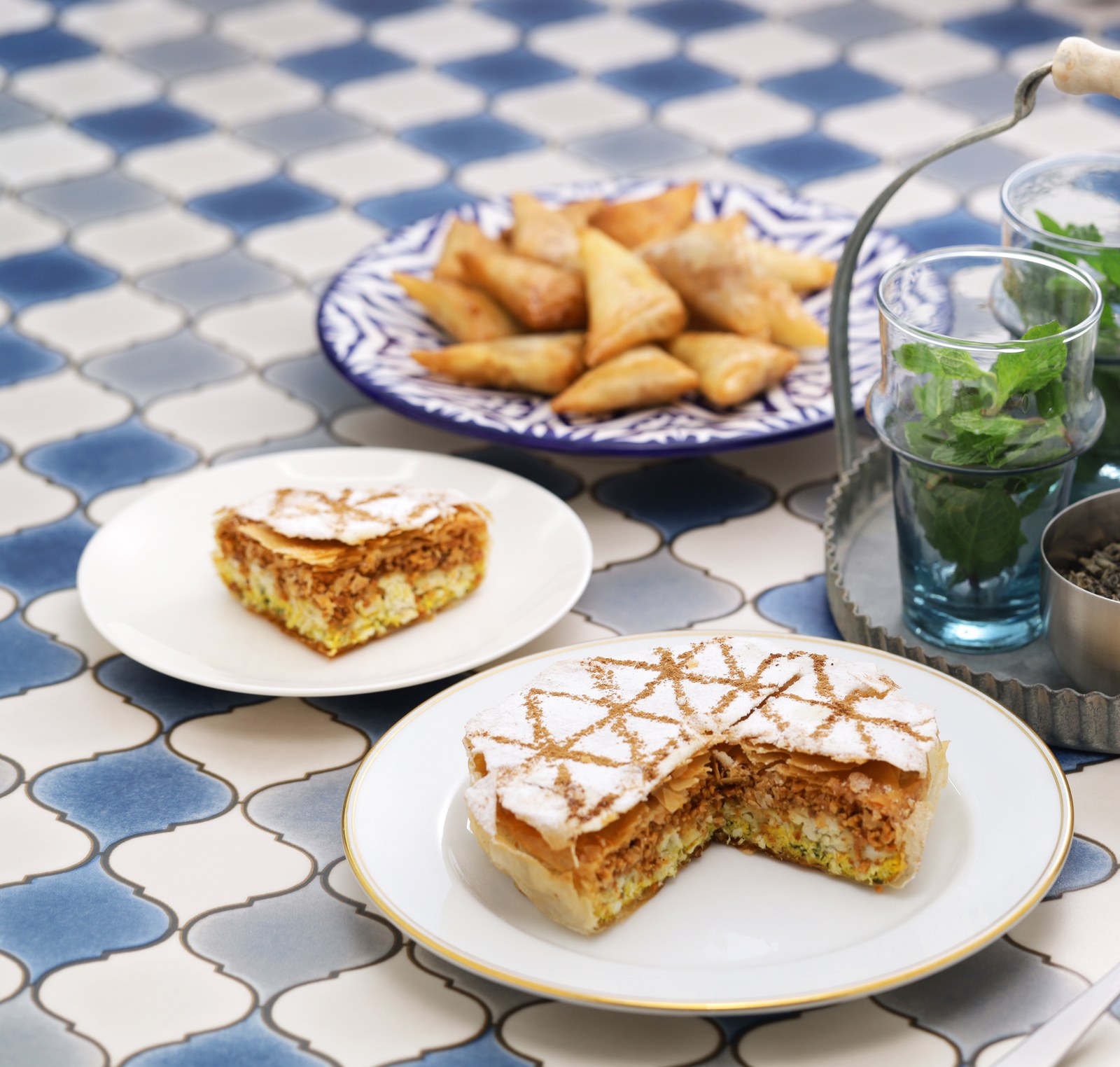
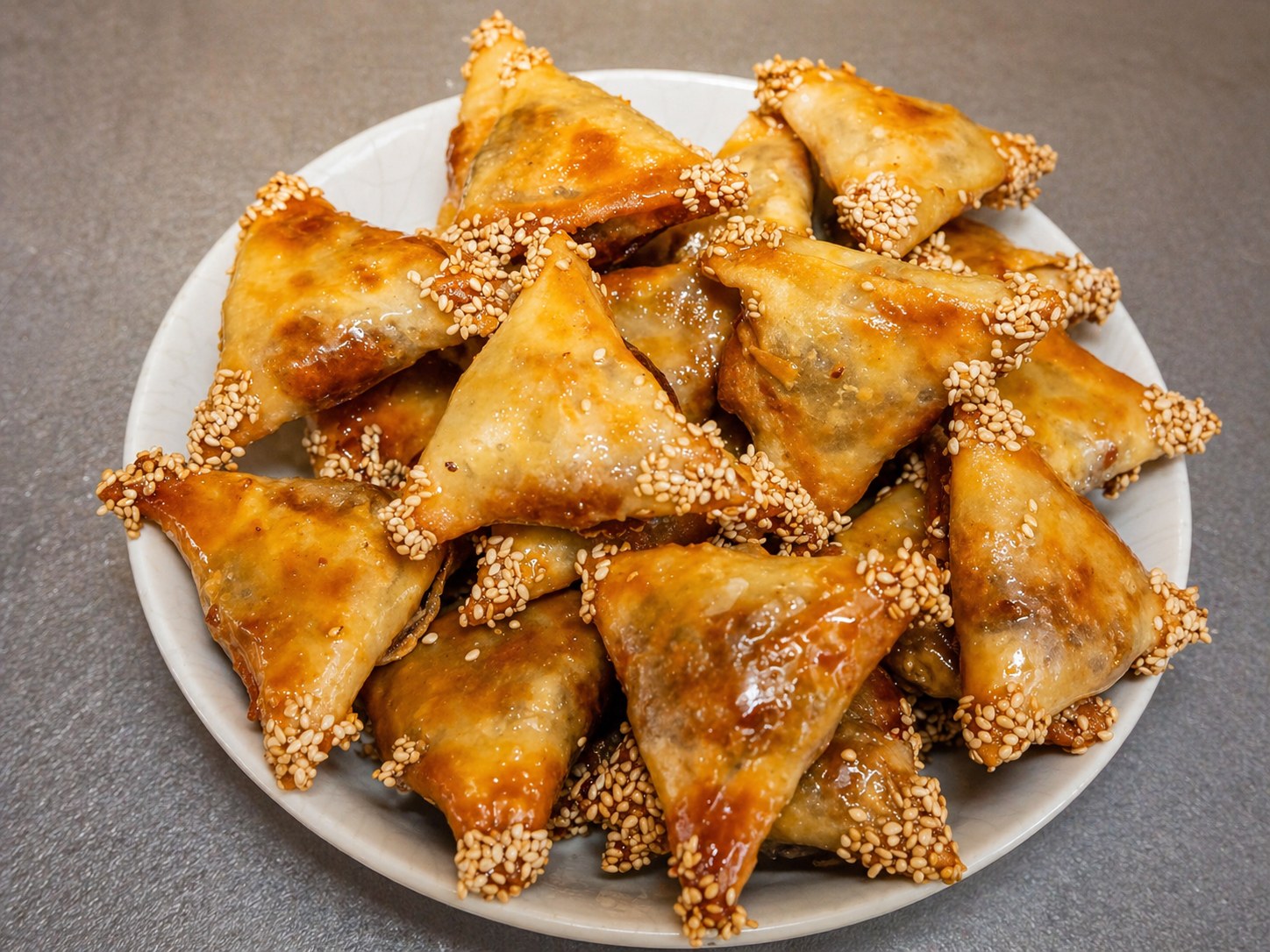
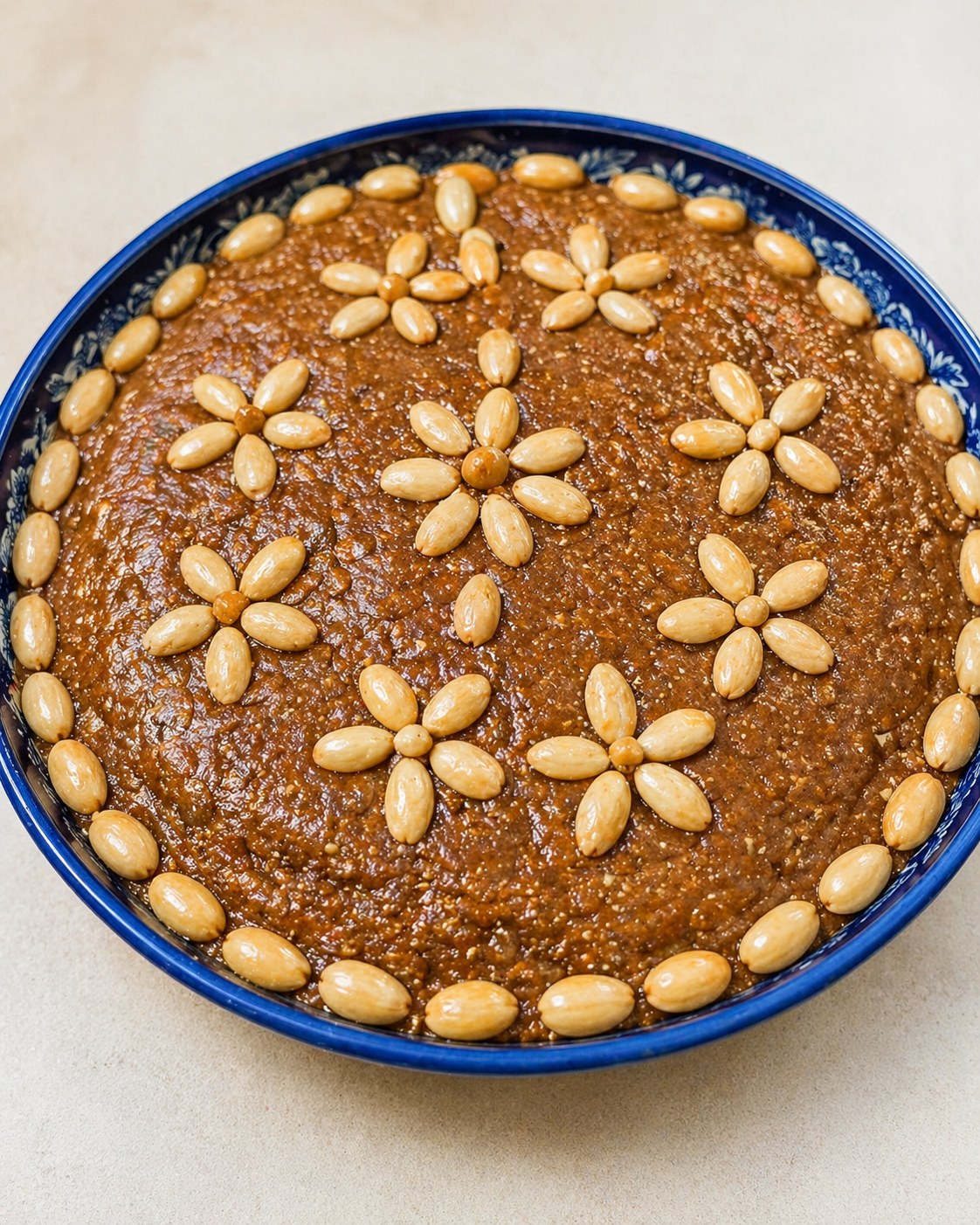
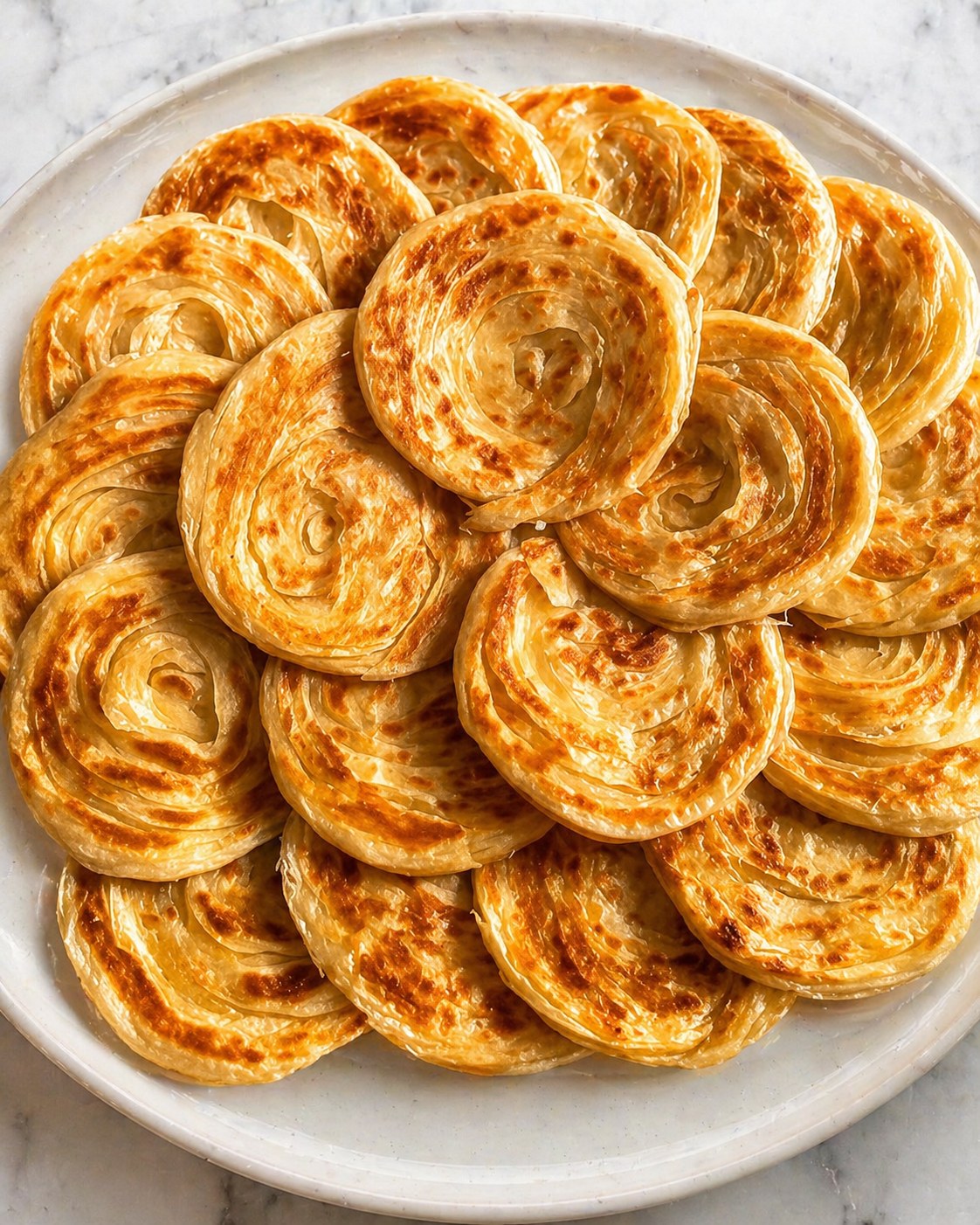
المدن، حسب ما تطبخ
اختر المغرب من خلال صحنه
كل مدينة لها مطبخها. اختر واحدة وتتغير خريطة العشاء بأكملها.
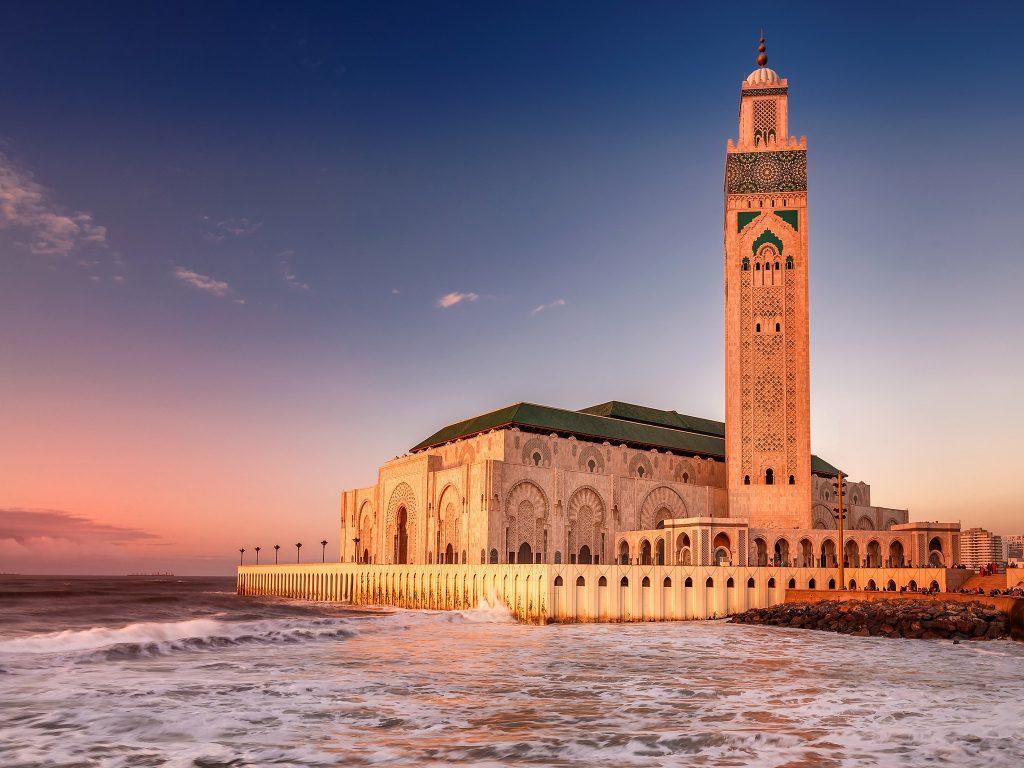
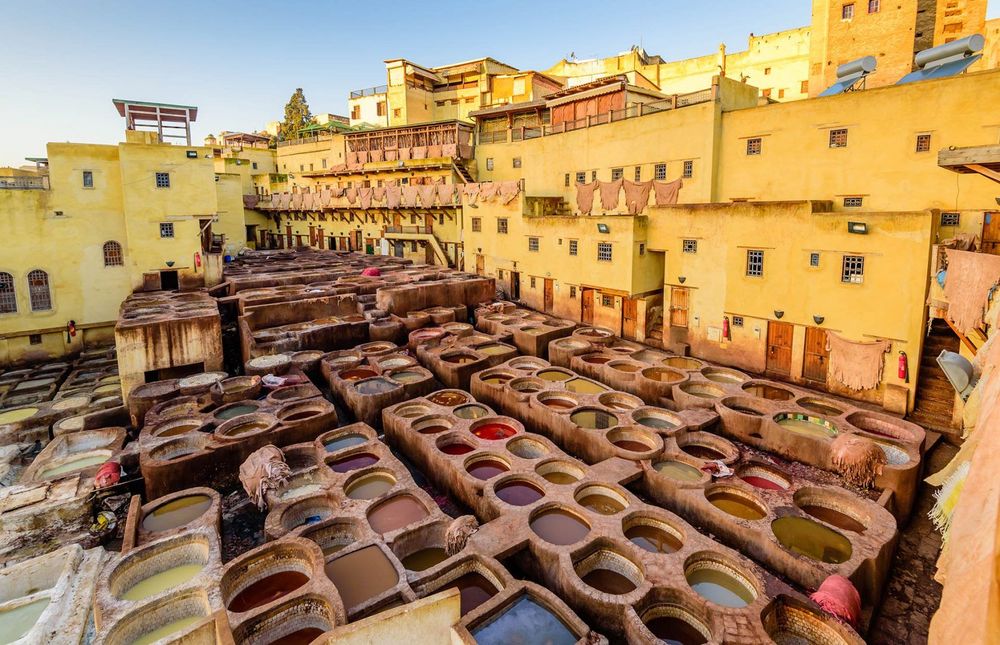
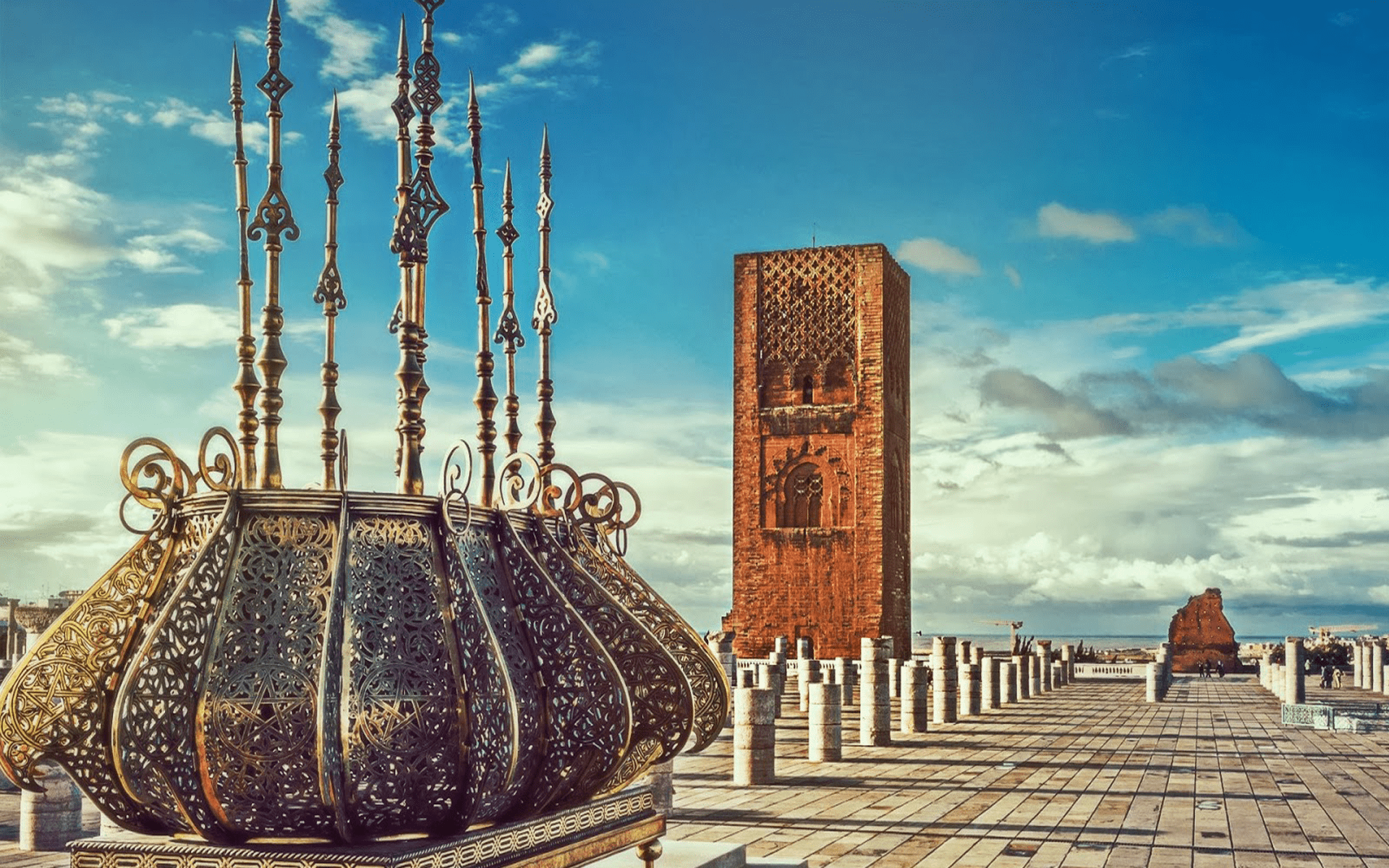
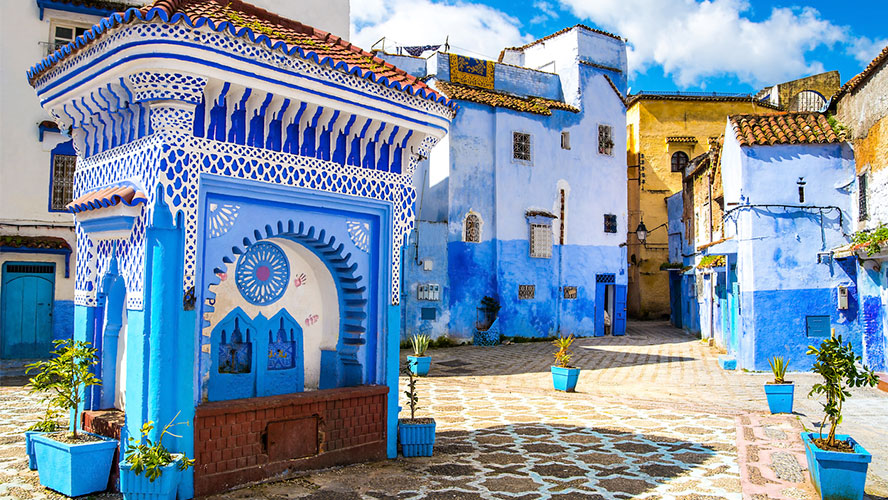
الأكثر رواجاً
الأعلى تصنيفاً بتقييمات جوجل + الزخم الاجتماعي
كيف يعمل التقييم
تصنيفات جديرة بالثقة
كل مطعم يحمل تقييماً مبنياً على بيانات عامة، موزوناً بقوة الإشارة ومعدلاً حسب المدينة والمطبخ. اقرأه بجانب نوع الوجبة التي تبحث عنها، لا كحكم نهائي.
- تقييم جوجل، حجم المراجعات والحداثة.
- التفاعل على إنستغرام وتيك توك وتواتر النشر.
- تقييم داخل خانة المدينة والمطبخ، لا ضد البلد بأكمله.
الدليل الوحيد الذي يفهم حقًا الفرق بين فخّ سياحي ومطبخ جدّة.
أسئلة شائعة
الأكل في المغرب: إجابات عملية
Do you need reservations at Moroccan restaurants?
Riad-based restaurants in Marrakech and Fes typically require booking a day ahead, especially for tasting menus, dinner shows, and terrace tables. Casual cafes, port grills in Essaouira, and brochette stalls in any souk are walk-in. Friday lunch (couscous day) at family-run restaurants fills up by 1pm in Casablanca and Rabat, so call in the morning if you want a table.
What is the difference between a tagine and a tanjia?
A tagine is both the conical clay pot and the dish cooked under it: usually a slow-simmered stew of lamb or chicken with vegetables and preserved lemon, ready in two to three hours. A tanjia is an urn-shaped clay vessel sealed with parchment, packed with meat, saffron, and preserved butter, then buried in the embers of a hammam furnace for six to twelve hours. Tagines are everywhere; tanjia is essentially a Marrakech specialty.
Do Moroccan restaurants serve alcohol?
Licensed restaurants in Casablanca, Marrakech, Rabat, Tangier, and Agadir serve wine, beer, and spirits, typically French, Spanish, and Moroccan bottles. Most traditional family restaurants and almost all Medina riads inside Fes el Bali do not. The simplest signal is whether the menu shows a wine section. During Ramadan, alcohol service to Muslim customers is restricted by law and many licensed venues suspend service entirely.
How much should you tip at a Moroccan restaurant?
At sit-down restaurants, around 10 percent on top of the bill is the safe baseline, even when service is already included on the receipt. At cafes, grill stalls, and brochette stands, rounding up to the nearest 10 dirhams is normal. Cash dirhams are preferred over card add-ons, and smaller notes are more useful to staff than larger ones. Tipping in foreign currency is accepted but not the default expectation.
When is couscous served in Morocco?
Friday is couscous day across nearly every household and most traditional restaurants. The dish, semolina steamed three times over a meat and vegetable broth, is treated as the week's communal lunch, and the freshness peak is between roughly 12:30 and 3pm. Tourist-facing restaurants serve couscous all week, but the Friday version at a Medina restaurant or a family-run table is the one to plan around.
Can vegetarians eat well in Morocco?
Yes, more easily than expected. Vegetable couscous, zaalouk (smoked aubergine dip), taktouka (tomato and pepper salad), bissara (broad bean soup), Moroccan salad, khobz with amlou, and vegetable tagines are all standard. Asking for "sans viande" — without meat — is universally understood. Vegan is harder: broths are often built on chicken stock and many breads use butter, so confirm before ordering.