Welcome · Bienvenue · أهلاً بك · ようこそ
La salle à manger du Maroc vous ouvre ses portes
On soulève les couvercles. Le thé à la menthe tombe de haut. Les braises s'allument. Un guide indépendant des tables où les Marocains s'installent pour un vrai repas — tagines, couscous, poisson de la côte, sept villes.
Prenez placeComment on mange au Maroc
Du pot en terre au feu de braise
“La table, c'est là où vit notre histoire, assaisonnée de cumin et de patience.”
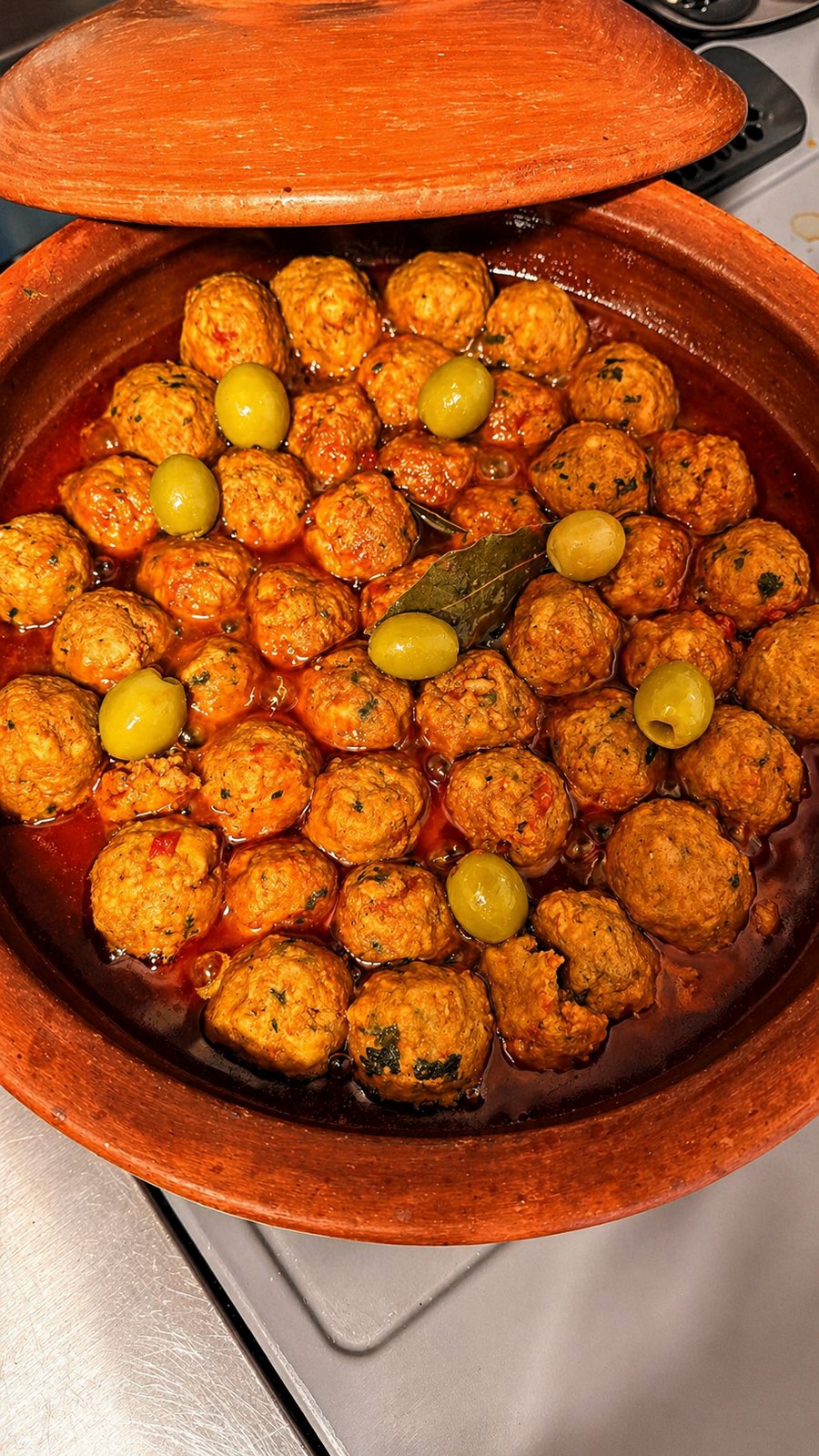
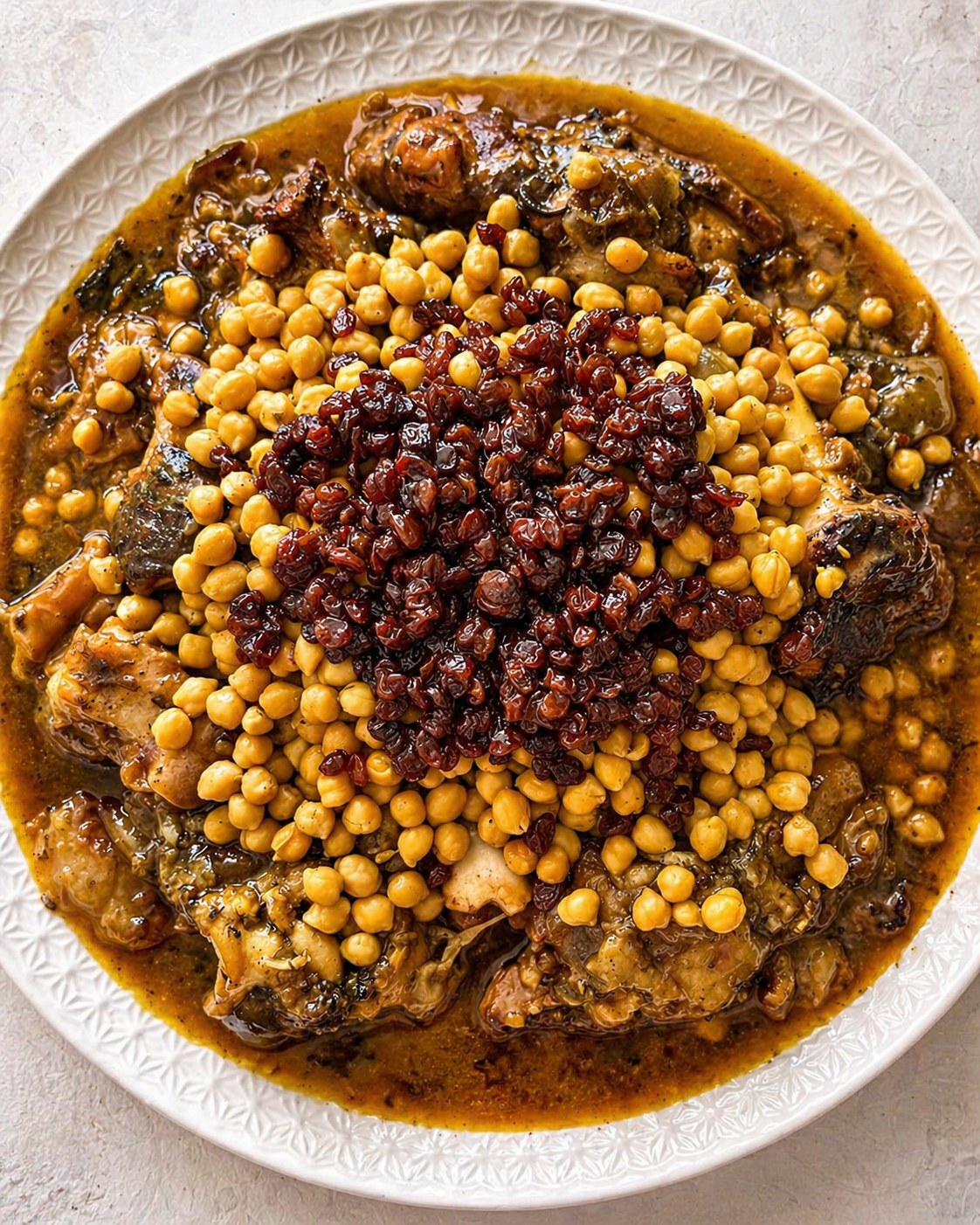
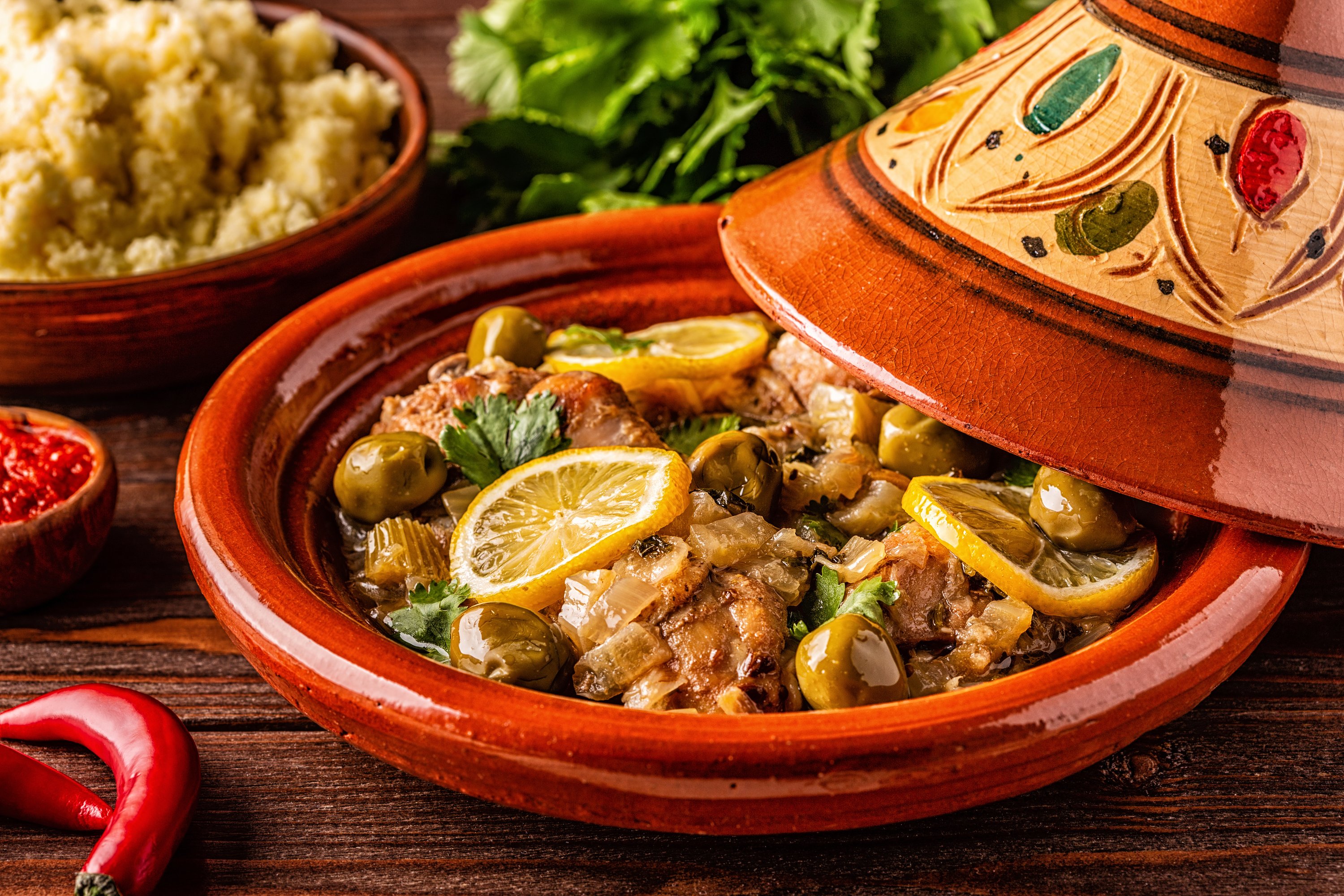
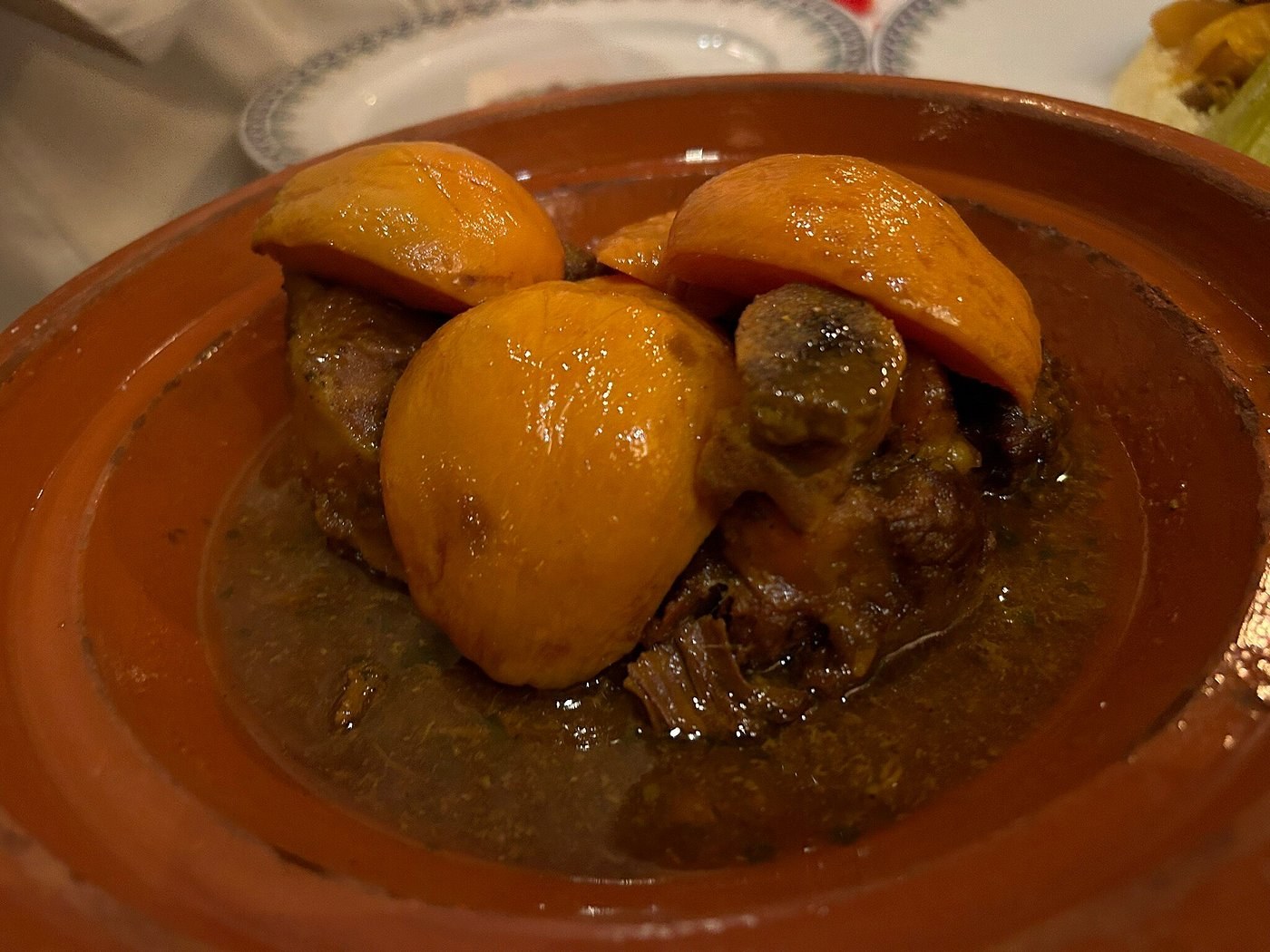
Tagine et tanjiaPlats mijotés en terre cuite, agneau aux pruneaux, poulet au citron confit, bœuf au coing.
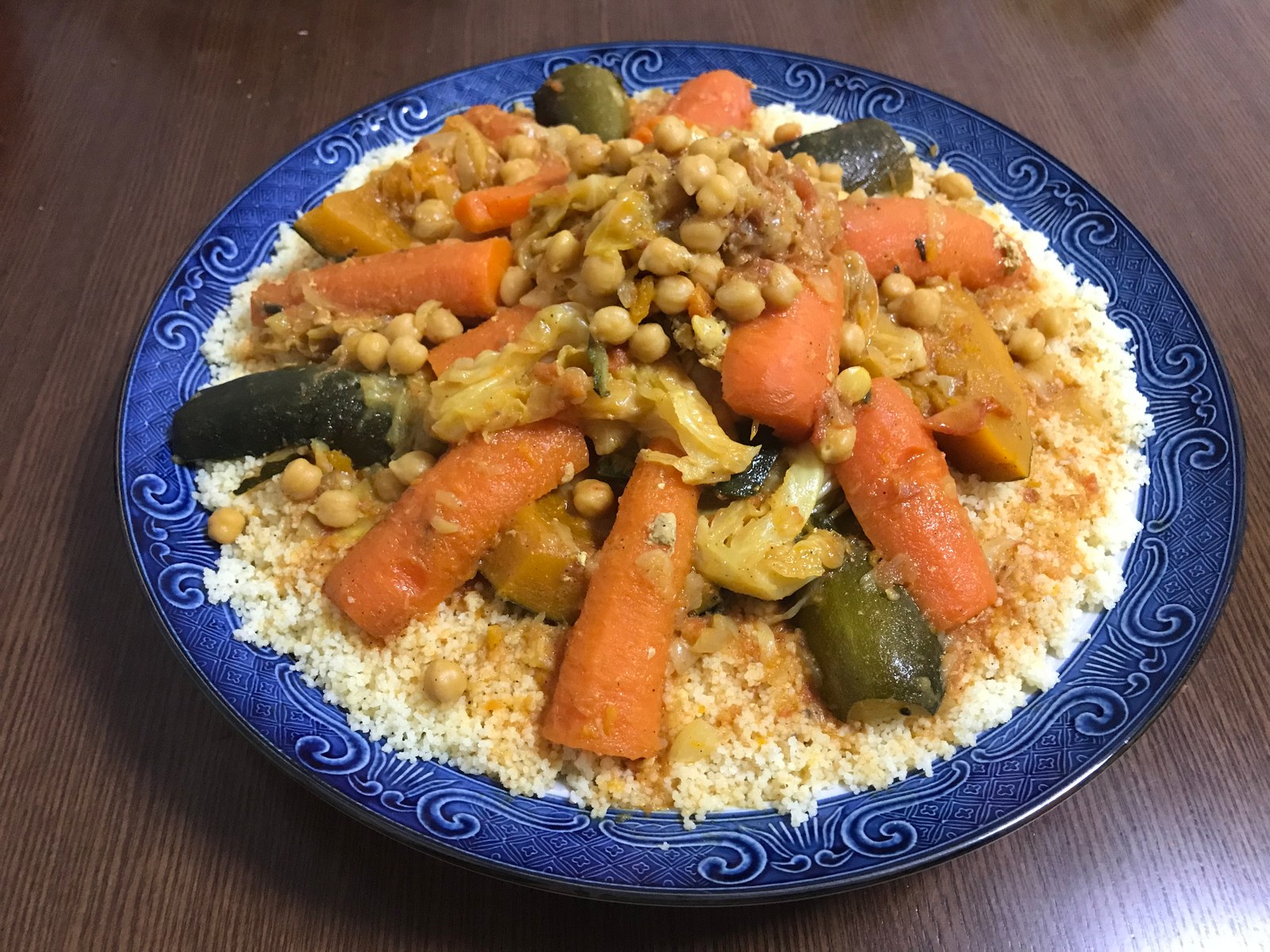
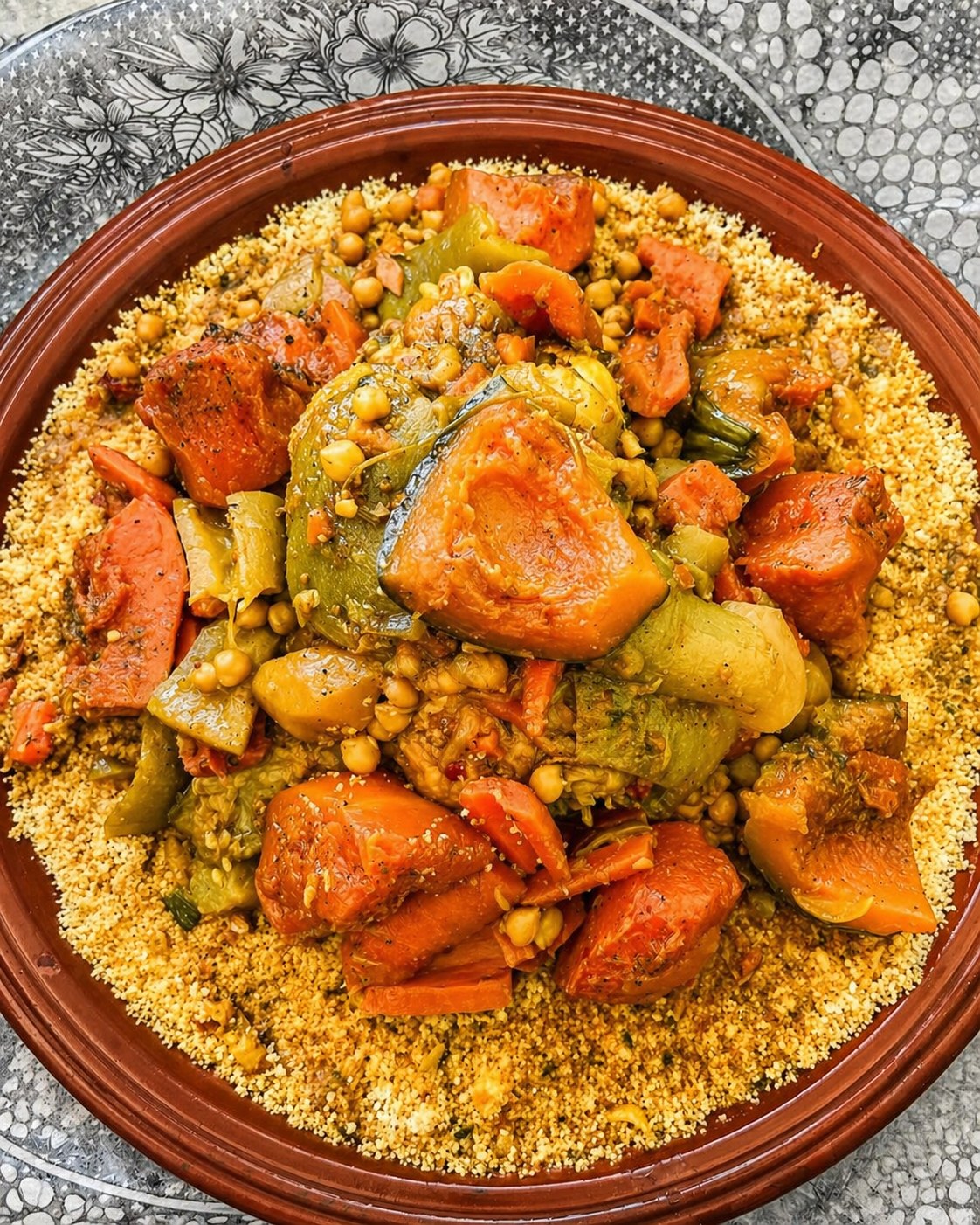
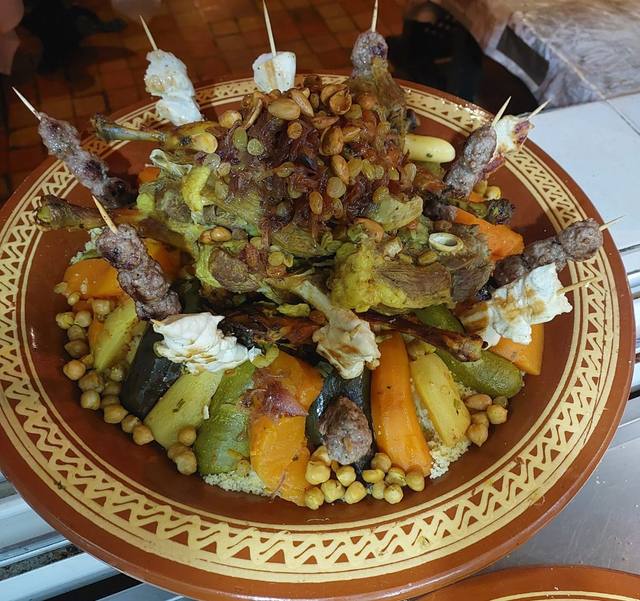
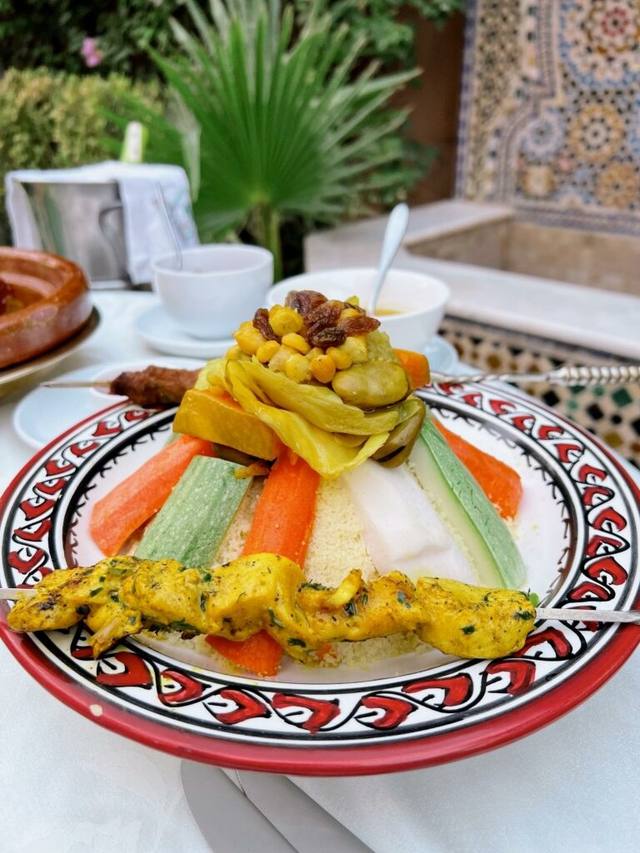
Vendredi couscousCuit trois fois à la vapeur, sept légumes et bouillon, le rituel familial de la semaine.
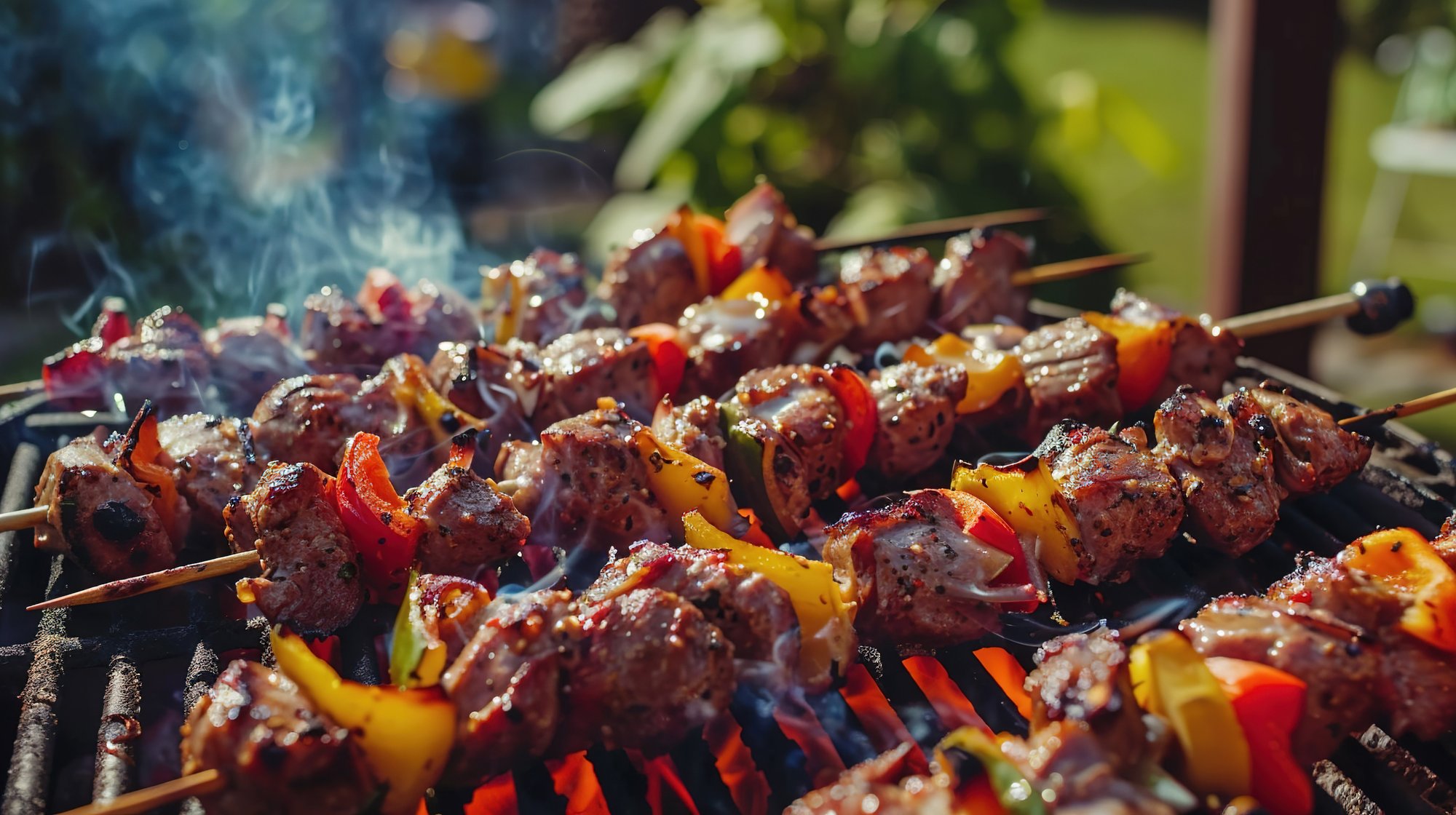
Charbon et fuméeMechoui, brochettes, kefta crépitant sur bois d'olivier au fond du souk.
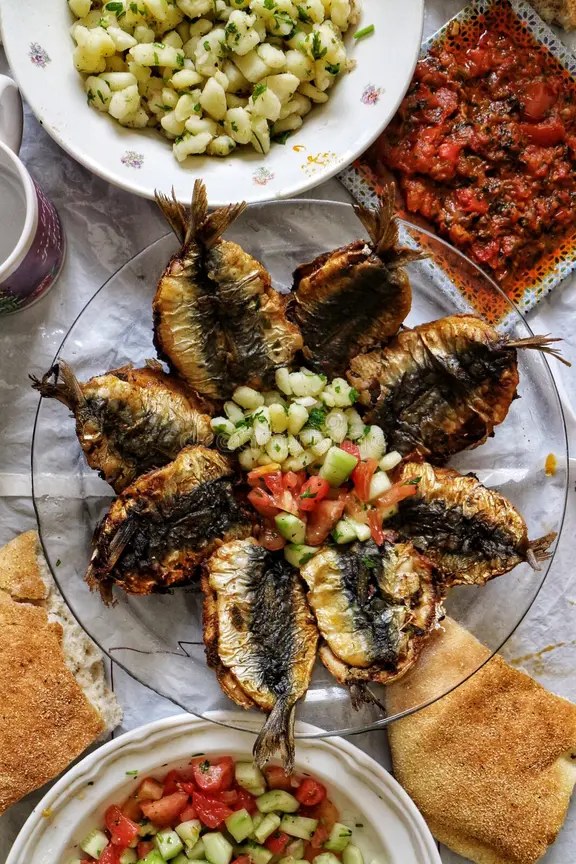
Atlantique et MéditerranéeSardines du quai, calamars à la chermoula, friture du port.
Ce que la cuisine marocaine a vraiment dans l'assiette
La cuisine marocaine est aussi stratifiée que le pays. Cuisine amazighe des montagnes, pâtisserie andalouse, épices arabes, semoules sahariennes, plats mijotés juifs, deux façades océaniques: chacune a laissé une recette dans la marmite. Mangez une semaine ici et vous goûterez cinq siècles de commerce et de migration arrivés à la même table.
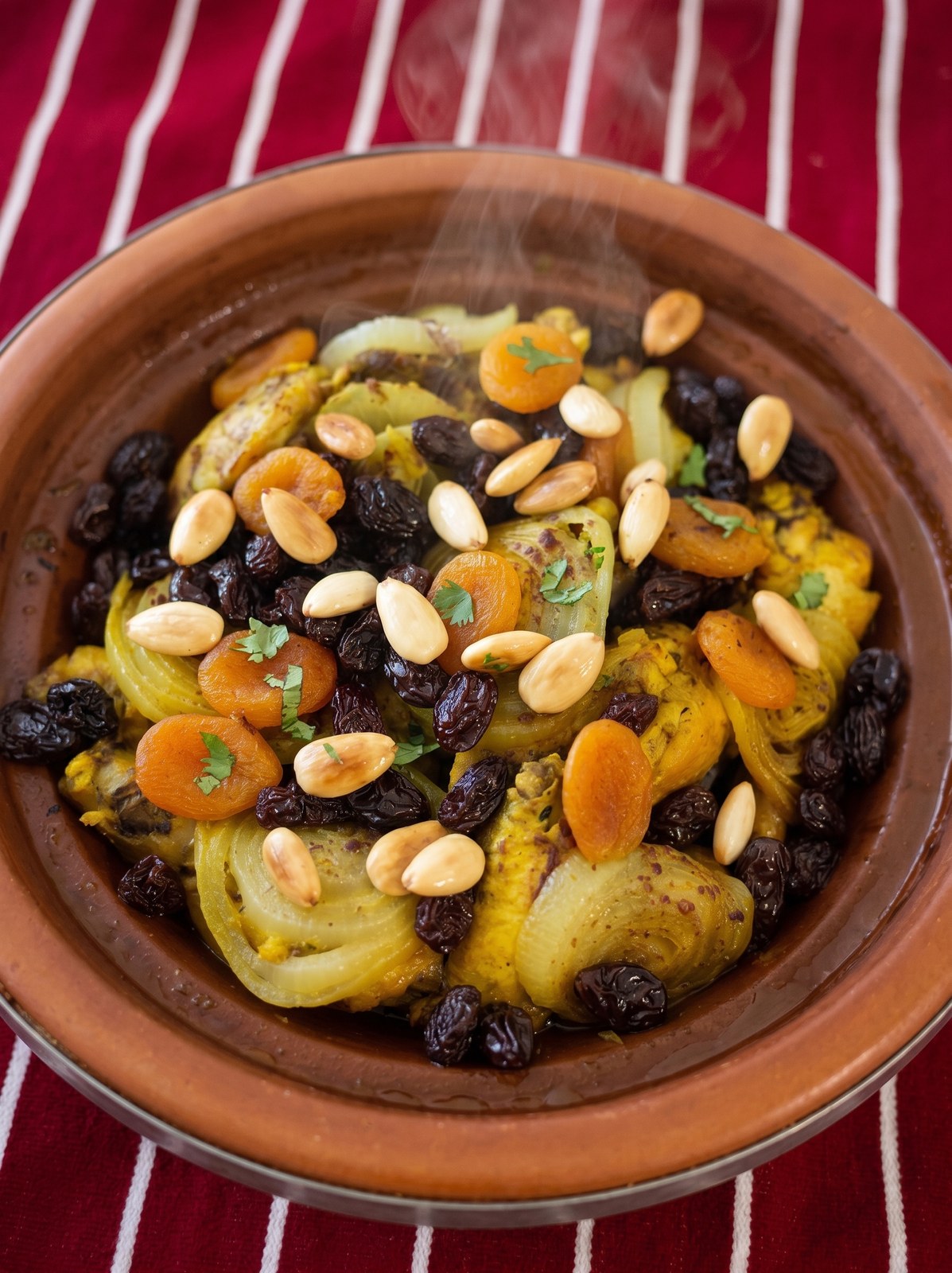
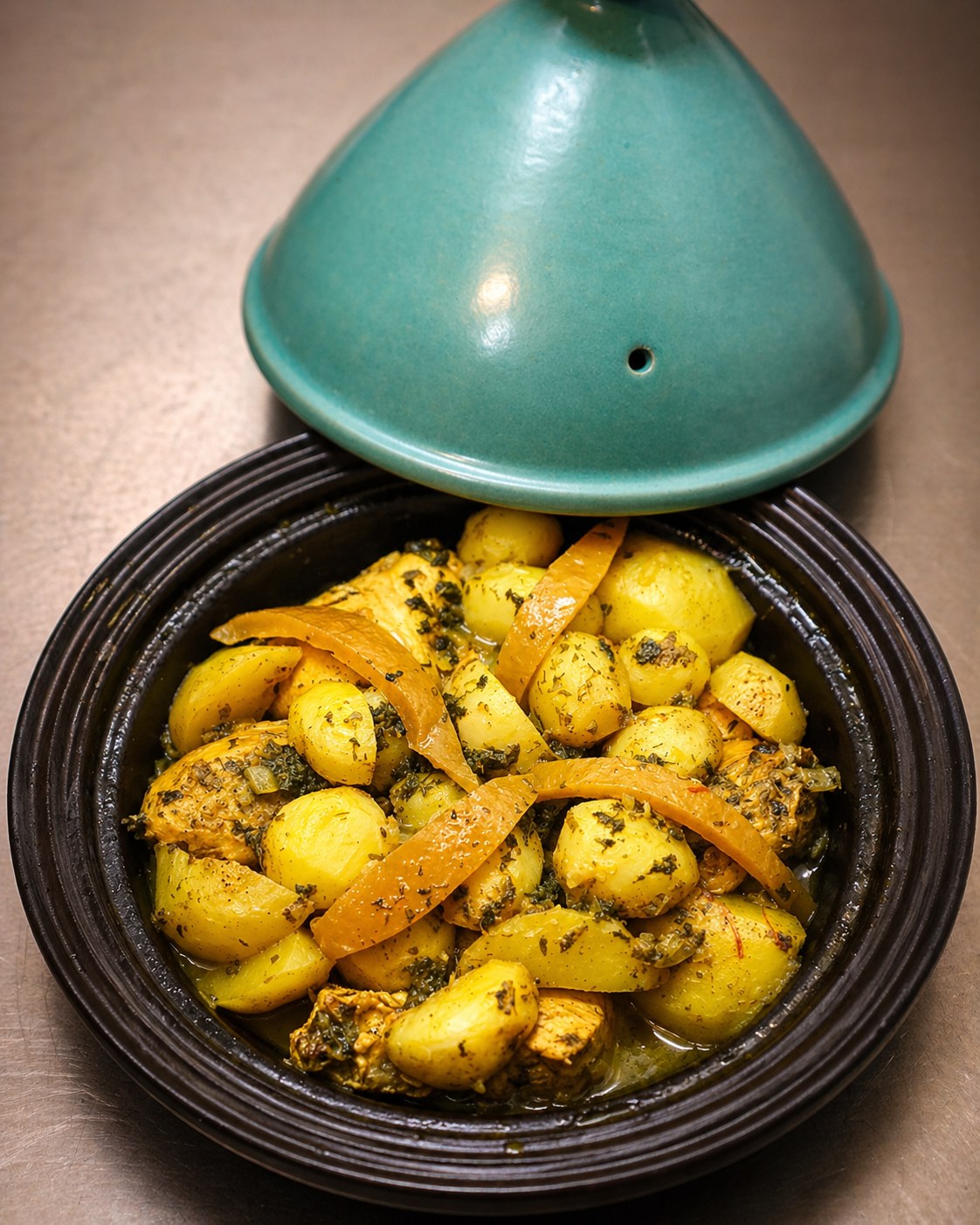
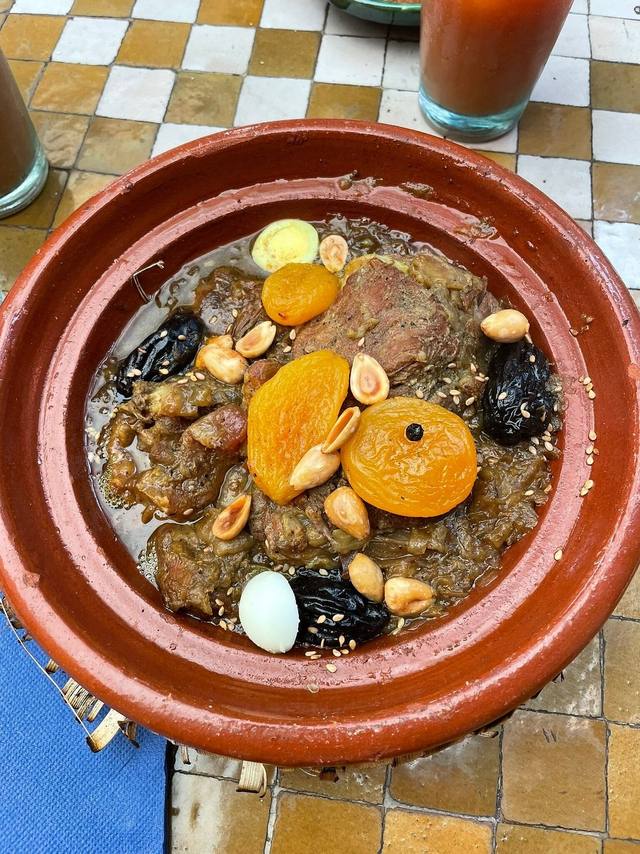
La technique fondatrice est la patience. Le tagine et la tanjia ne sont pas des plats du soir; ce sont des poteries en terre posées sur la braise ou enfouies dans la chaleur mourante d'un four de hammam, transformant lentement l'agneau, les pruneaux, le citron confit et le safran en quelque chose de presque tartinable. Le couscous, déjeuner du vendredi de presque chaque foyer, est cuit à la vapeur trois fois jusqu'à ce que chaque grain reste séparé sous un lac de bouillon et sept légumes.
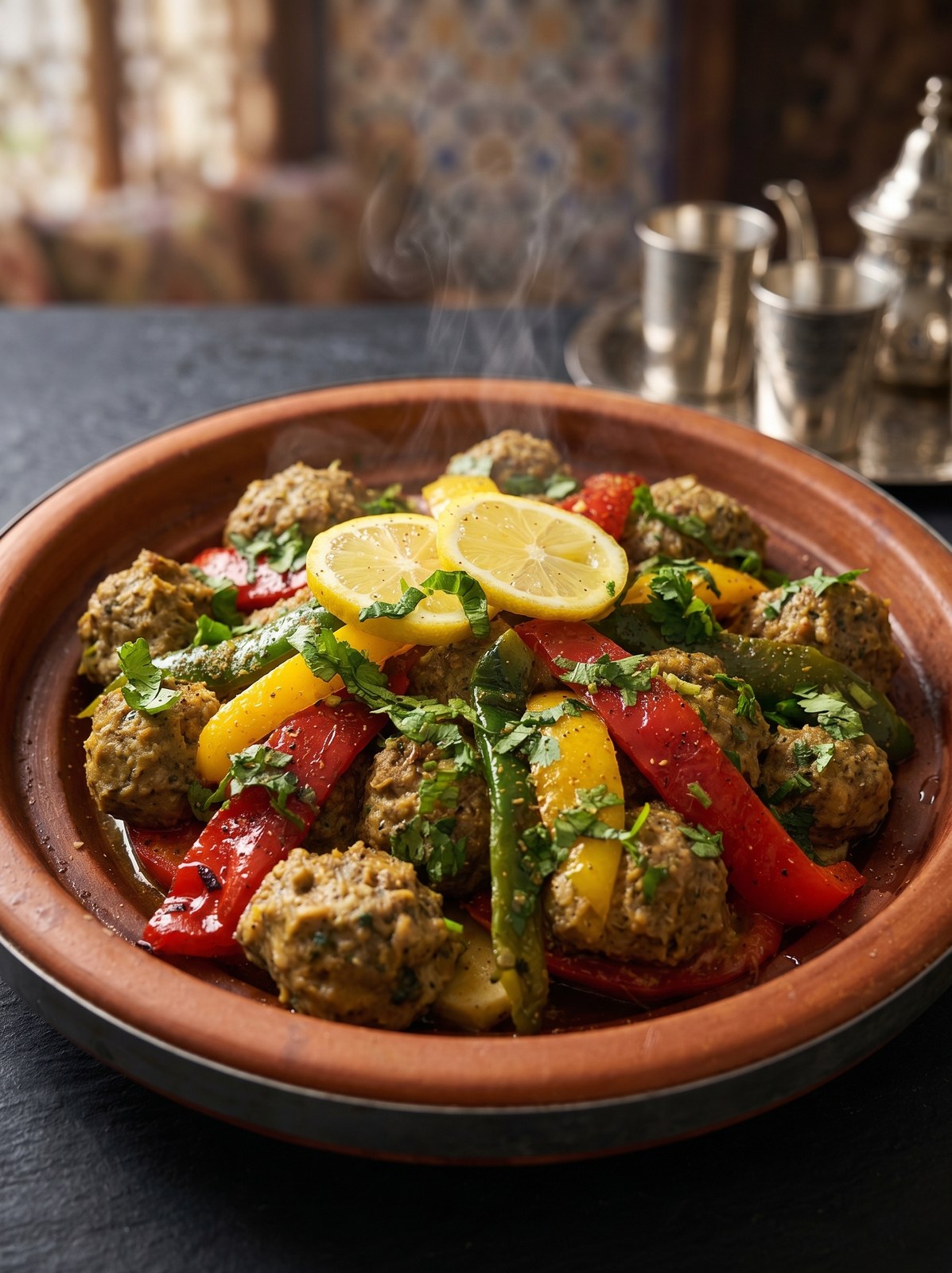
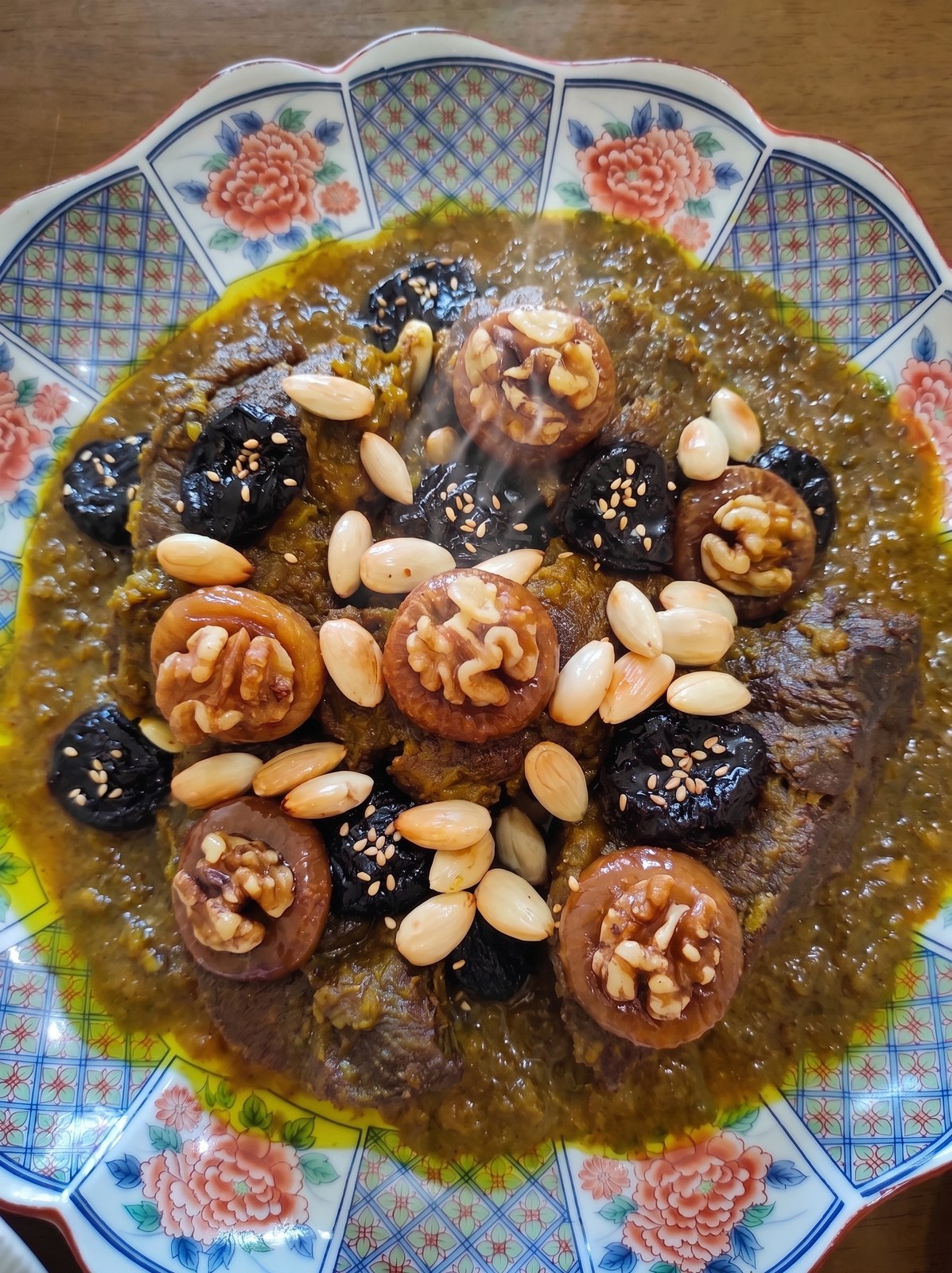
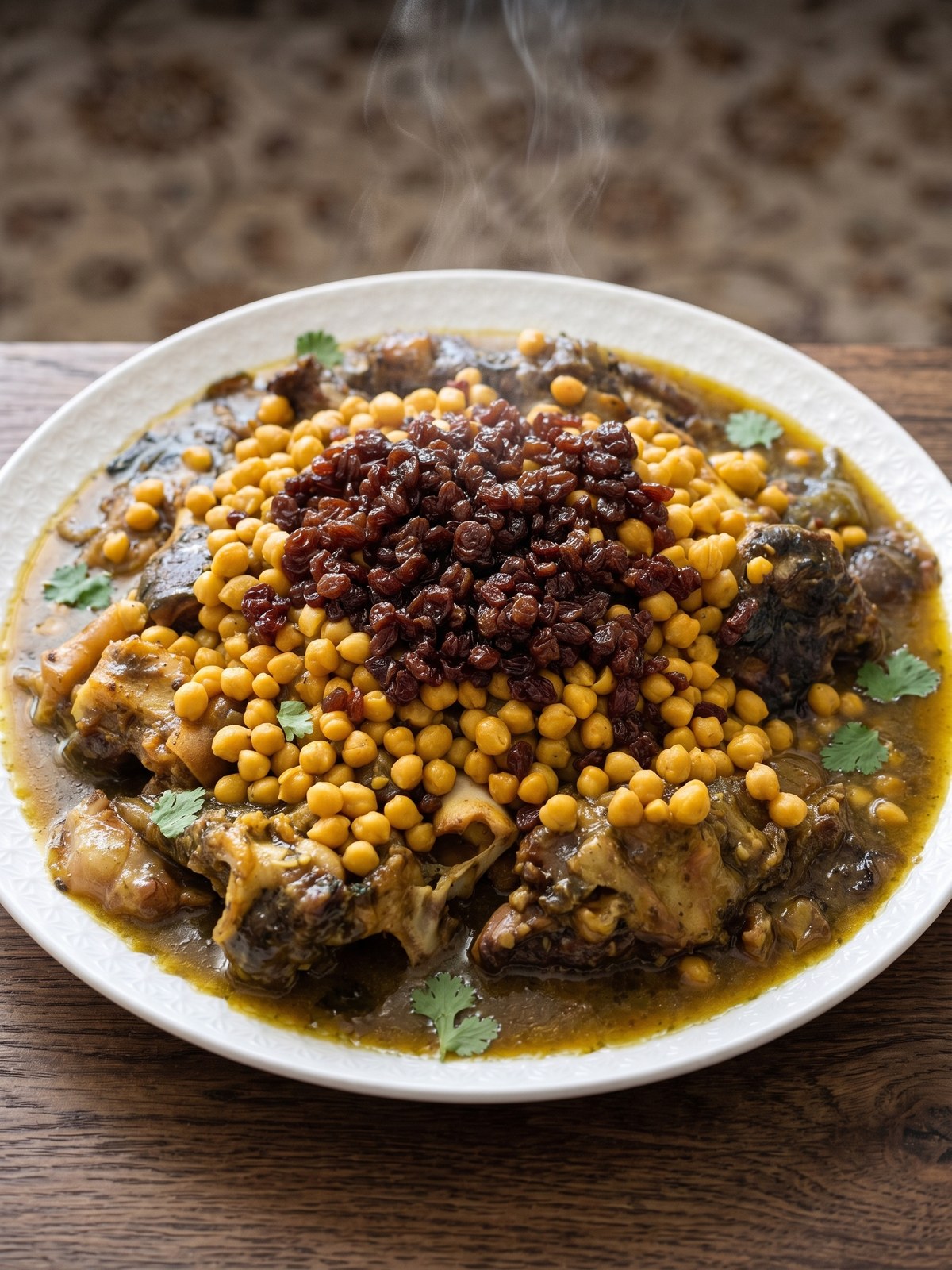
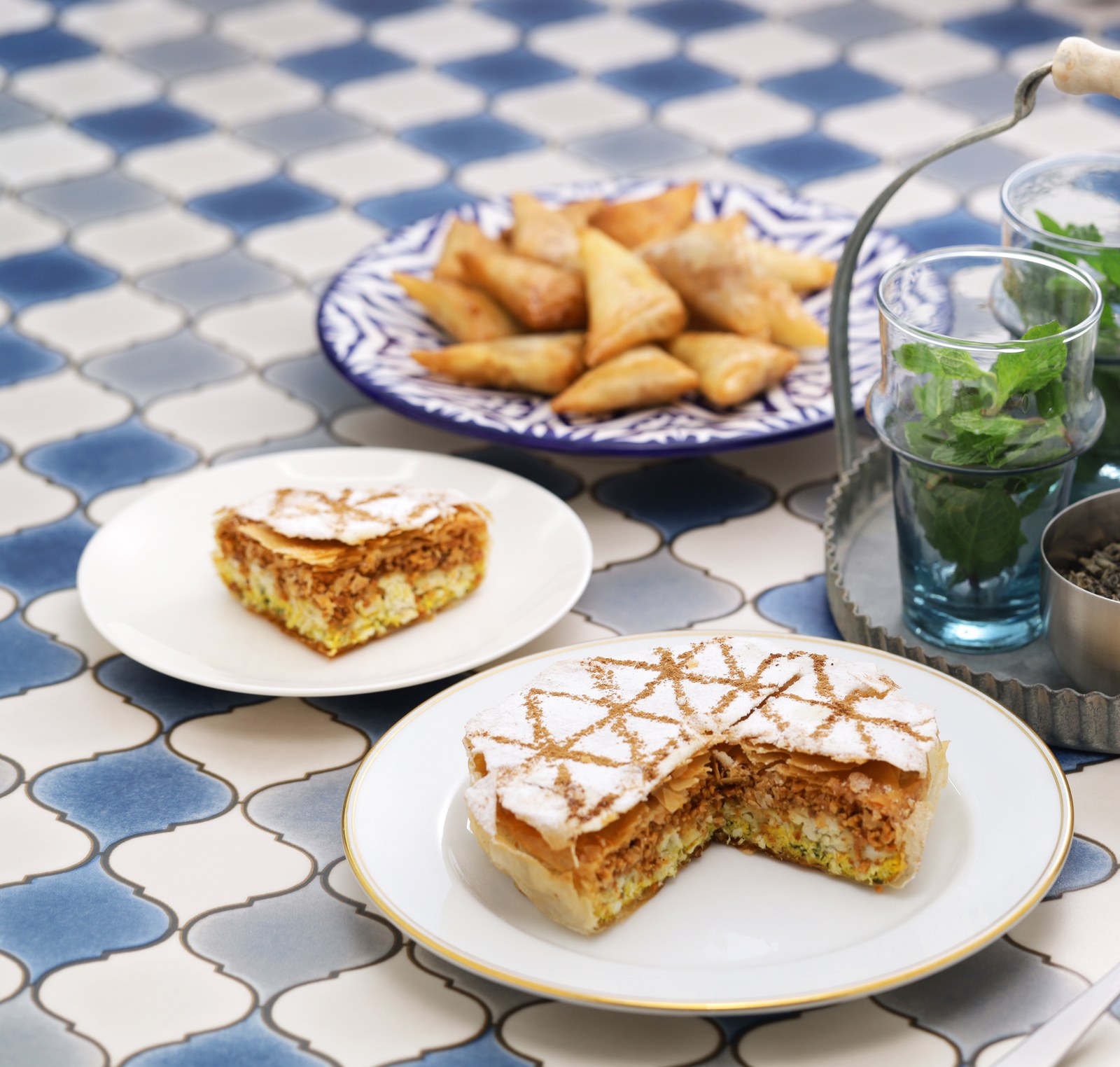
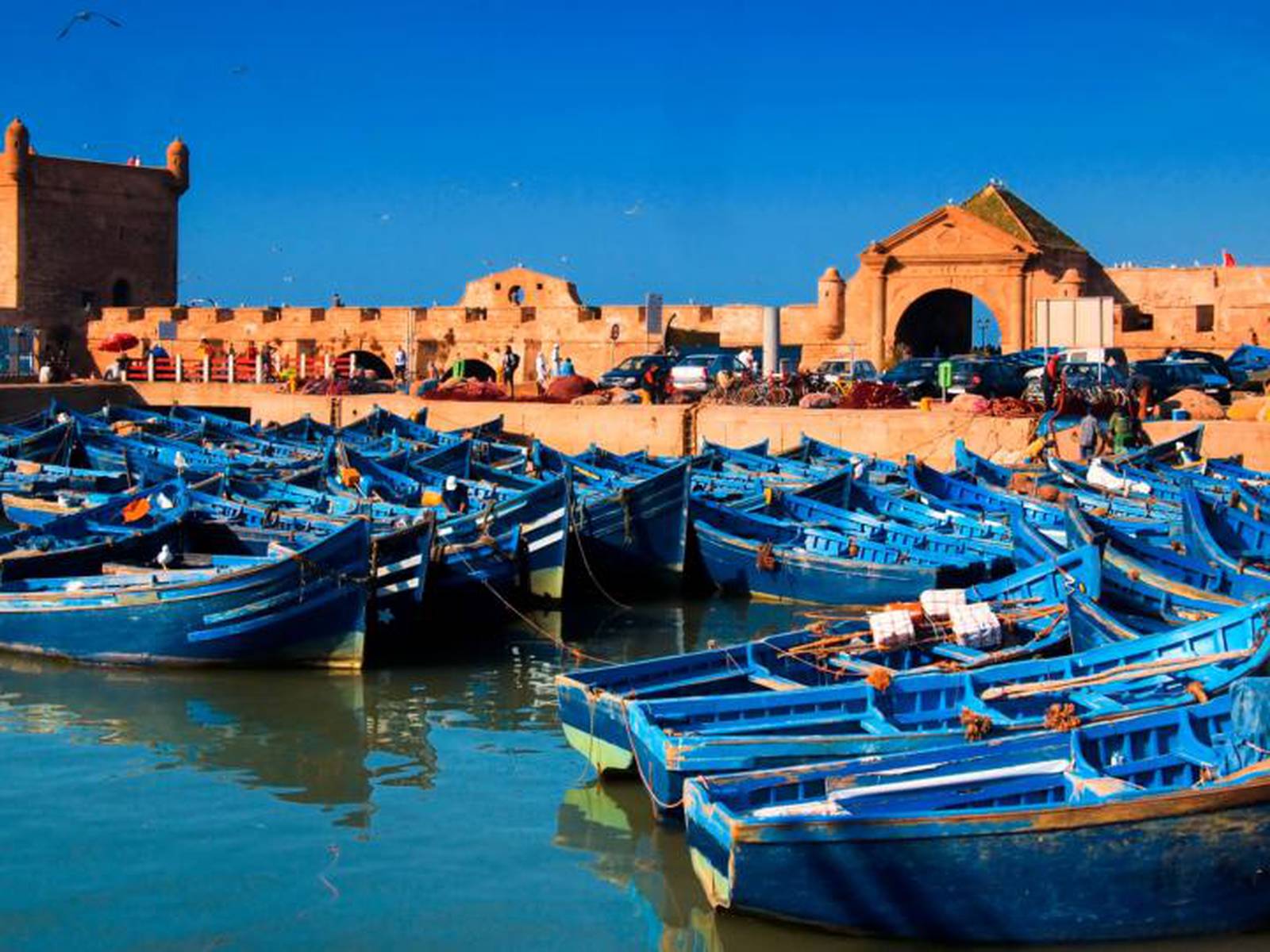
Il existe un autre Maroc, celui du charbon et du bruit. Les fosses à mechoui dans les ruelles derrière Jemaa el Fna. Les brochettes tournées sur bois d'olivier au bord des routes. Les sardines tirées de l'Atlantique à Essaouira et grillées dix minutes après. La harira chaude au coucher du soleil pendant le Ramadan. Les beghrir nappés de miel et de beurre au petit déjeuner. Le thé à la menthe versé de haut, trois fois, dans des verres jamais vides.
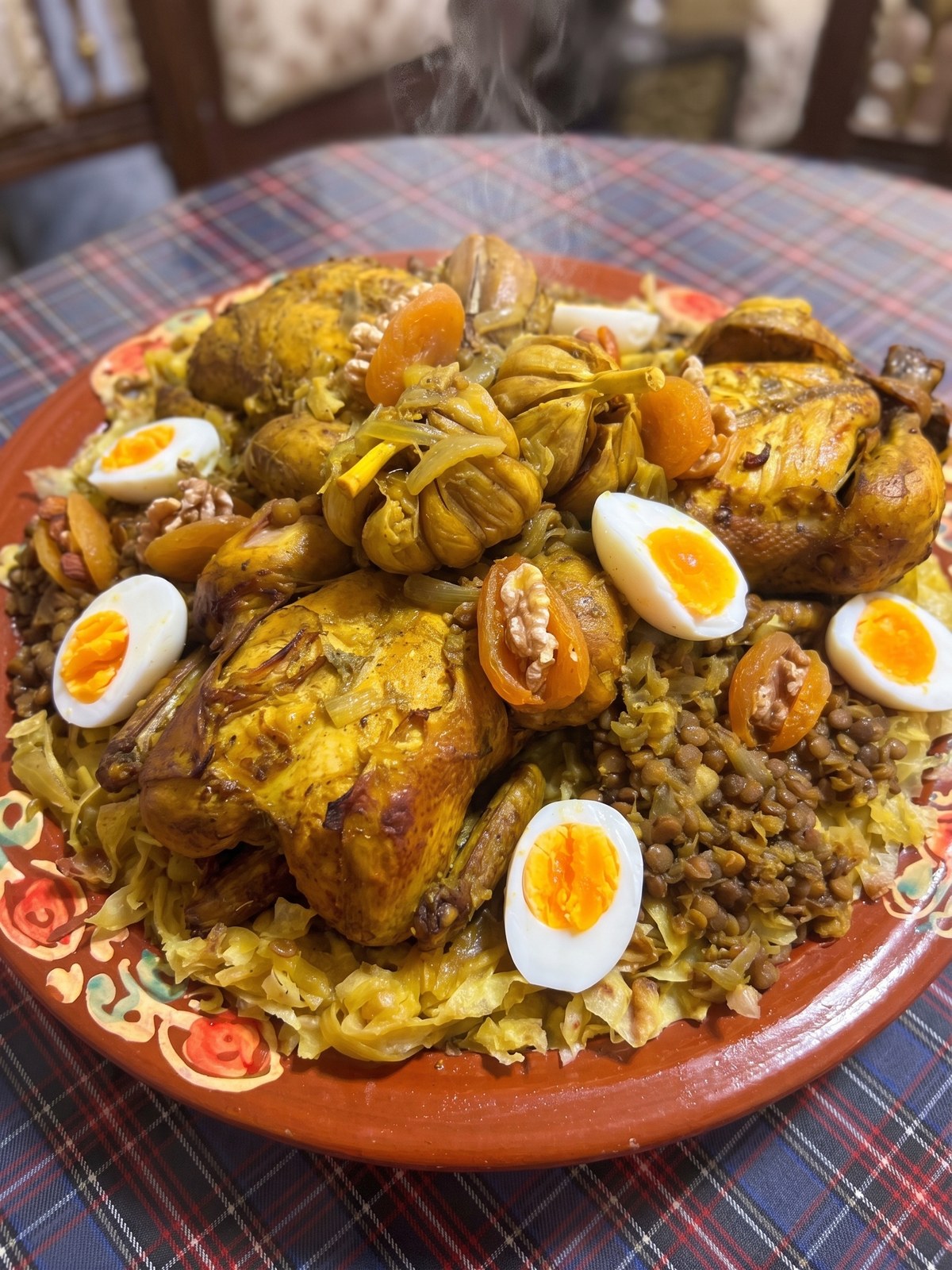
Les villes par ce qu'elles cuisinent
Choisir le Maroc par son assiette
Chaque ville a sa propre cuisine. En choisir une, c'est redessiner toute la carte du dîner.
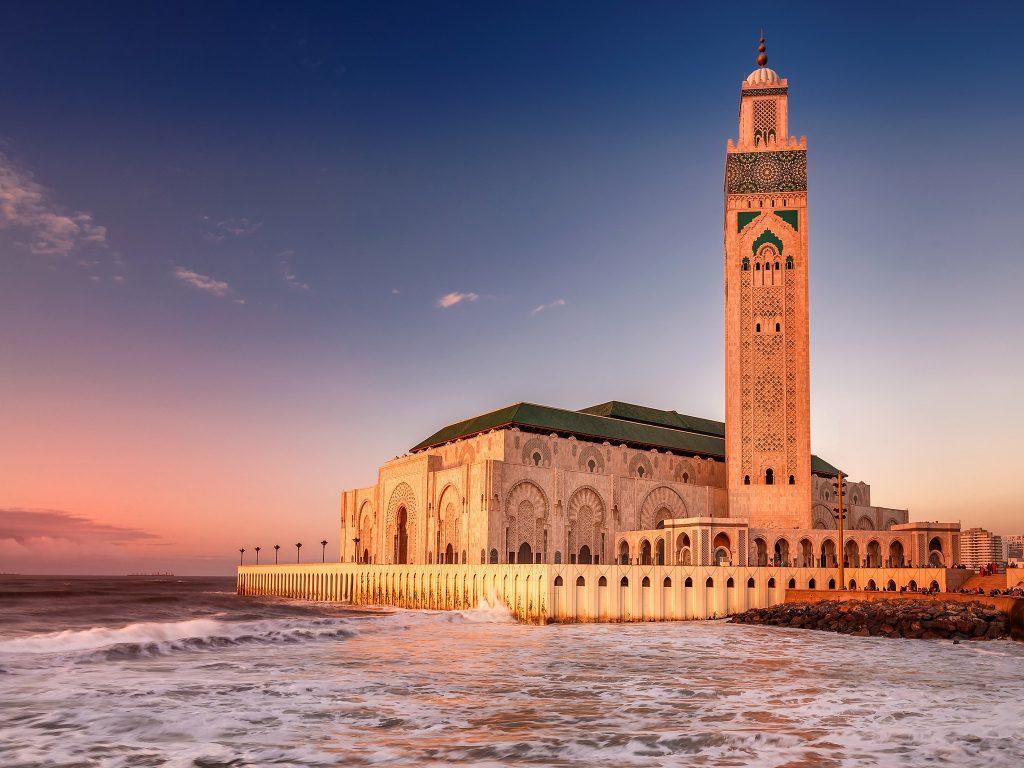
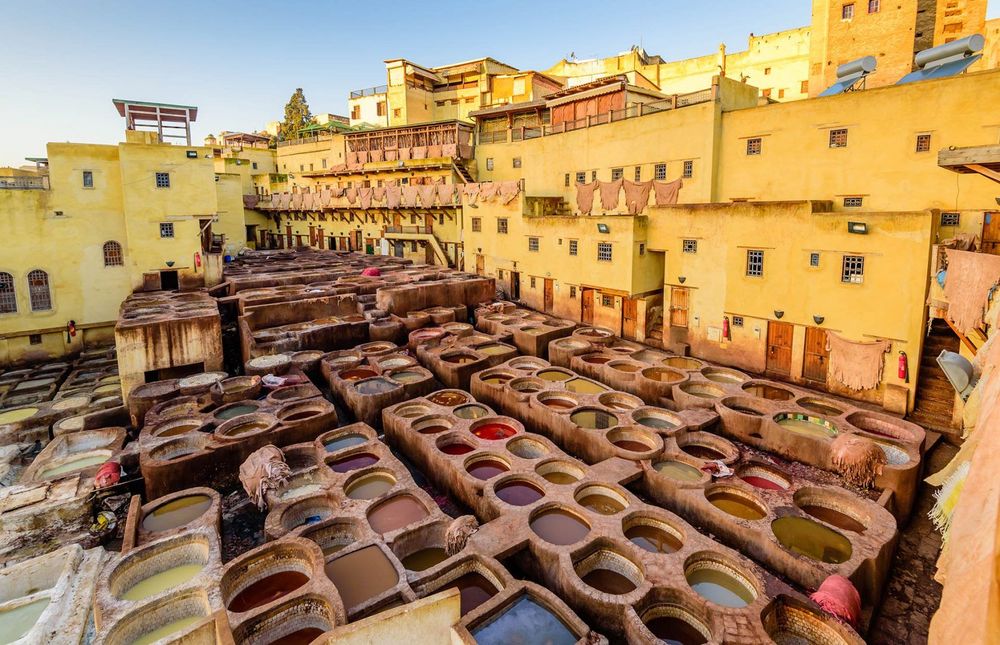
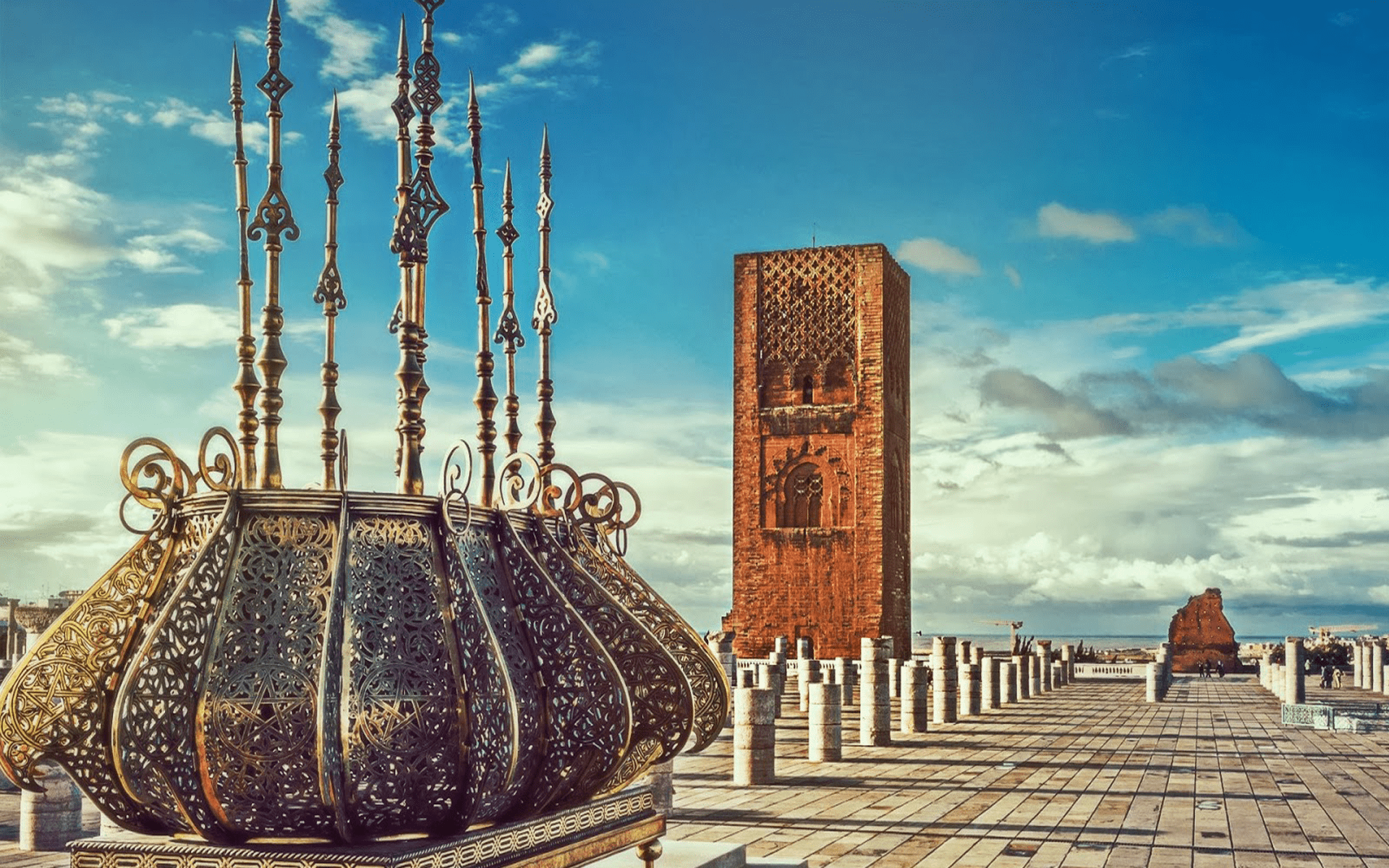
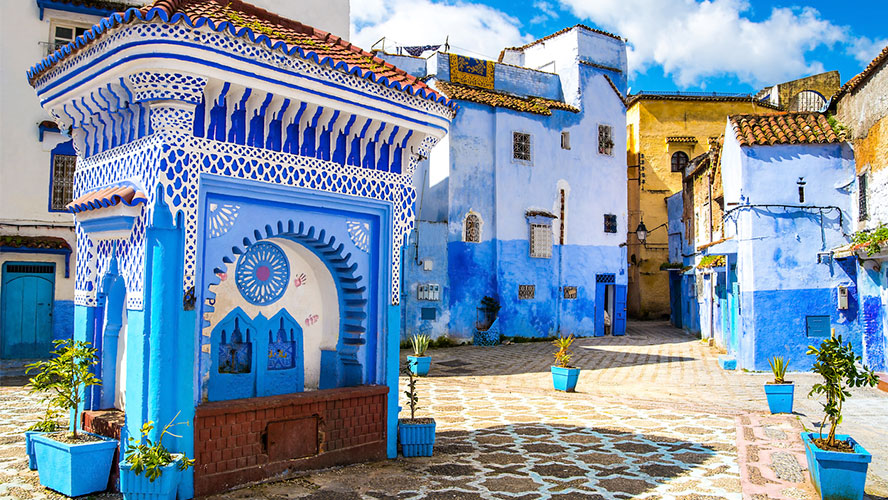
Tendances du moment
Top classement par avis Google + dynamique sociale
Comment fonctionne le score
Un classement digne de confiance
Chaque restaurant porte un score construit à partir de données publiques, pondéré par la force du signal, ajusté selon la ville et la cuisine. Lisez-le à côté du type de repas cherché, pas comme un verdict.
- Note Google, volume d'avis et fraîcheur.
- Engagement Instagram et TikTok, fréquence de publication.
- Noté dans sa catégorie de ville et de cuisine, pas contre tout le pays.
Le seul guide qui comprend vraiment la différence entre un piège à touristes et la cuisine d'une grand-mère.
Questions fréquentes
Manger au Maroc, vos questions
Do you need reservations at Moroccan restaurants?
Riad-based restaurants in Marrakech and Fes typically require booking a day ahead, especially for tasting menus, dinner shows, and terrace tables. Casual cafes, port grills in Essaouira, and brochette stalls in any souk are walk-in. Friday lunch (couscous day) at family-run restaurants fills up by 1pm in Casablanca and Rabat, so call in the morning if you want a table.
What is the difference between a tagine and a tanjia?
A tagine is both the conical clay pot and the dish cooked under it: usually a slow-simmered stew of lamb or chicken with vegetables and preserved lemon, ready in two to three hours. A tanjia is an urn-shaped clay vessel sealed with parchment, packed with meat, saffron, and preserved butter, then buried in the embers of a hammam furnace for six to twelve hours. Tagines are everywhere; tanjia is essentially a Marrakech specialty.
Do Moroccan restaurants serve alcohol?
Licensed restaurants in Casablanca, Marrakech, Rabat, Tangier, and Agadir serve wine, beer, and spirits, typically French, Spanish, and Moroccan bottles. Most traditional family restaurants and almost all Medina riads inside Fes el Bali do not. The simplest signal is whether the menu shows a wine section. During Ramadan, alcohol service to Muslim customers is restricted by law and many licensed venues suspend service entirely.
How much should you tip at a Moroccan restaurant?
At sit-down restaurants, around 10 percent on top of the bill is the safe baseline, even when service is already included on the receipt. At cafes, grill stalls, and brochette stands, rounding up to the nearest 10 dirhams is normal. Cash dirhams are preferred over card add-ons, and smaller notes are more useful to staff than larger ones. Tipping in foreign currency is accepted but not the default expectation.
When is couscous served in Morocco?
Friday is couscous day across nearly every household and most traditional restaurants. The dish, semolina steamed three times over a meat and vegetable broth, is treated as the week's communal lunch, and the freshness peak is between roughly 12:30 and 3pm. Tourist-facing restaurants serve couscous all week, but the Friday version at a Medina restaurant or a family-run table is the one to plan around.
Can vegetarians eat well in Morocco?
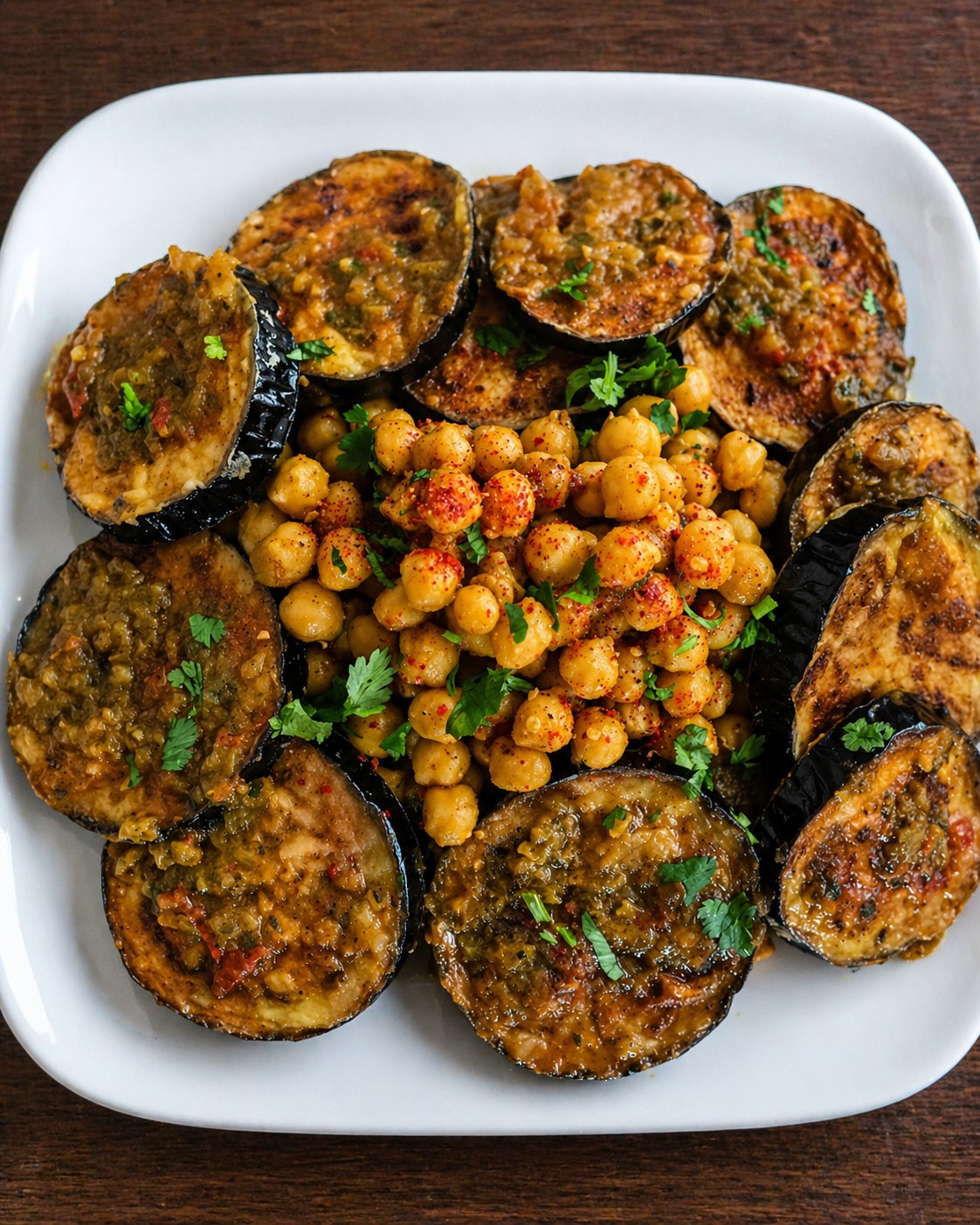
Yes, more easily than expected. Vegetable couscous, zaalouk (smoked aubergine dip), taktouka (tomato and pepper salad), bissara (broad bean soup), Moroccan salad, khobz with amlou, and vegetable tagines are all standard. Asking for "sans viande" — without meat — is universally understood. Vegan is harder: broths are often built on chicken stock and many breads use butter, so confirm before ordering.