Mechoui Alley
Marrakech pit-roasted lamb sold by the kilo, off Jemaa el-Fna
$Price
MarrakechJemaa el-Fna
About this restaurant
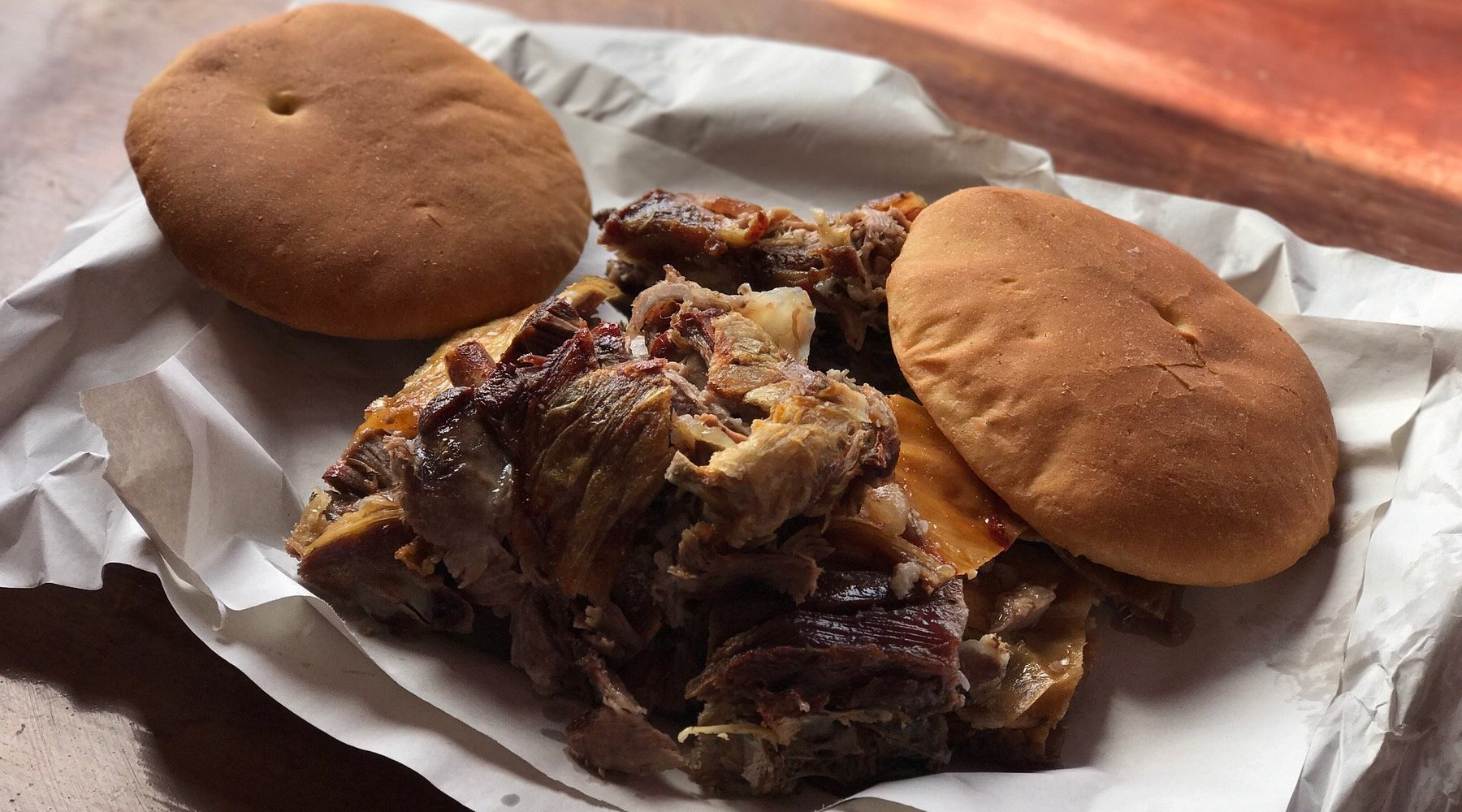
Mechoui Alley is a row of pit-roasting stalls just off Jemaa el-Fna. Point at the lamb, get a plate of melt-off-the-bone meat with cumin salt and fresh bread. The queue tells you which stall.
Data from Google Maps. Scores are algorithmic, not paid placement. How we rank
What to order
Mechoui
What you'll eat at Mechoui Alley
Mechoui Alley leans on the charcoal and grill side of Moroccan eating in Marrakech, which sets up a particular kind of meal — direct, fire-forward, and built around the mince, chop, and skewer.
The charcoal side of Moroccan eating is loud, fast, and often done on the street. Mechoui — whole lamb slow-roasted in underground pits — is the showpiece at Marrakech's famous meat alley behind Jemaa el Fna, sold by weight with bread and cumin salt. Brochettes of lamb, kefta (spiced minced beef), and chicken are turned over olive wood at stalls and restaurants across every Moroccan city. The distinguishing mark is the heat source: real charcoal or olive wood, never gas, never lava rock.
Kefta deserves its own note. The mince is seasoned with cumin, paprika, cinnamon, fresh coriander, parsley, and onion, then moulded around skewers and cooked hard and fast. The best versions land on the plate still juicy in the middle. Grilled lamb chops, ribs, and liver skewers share the same lineage — open fire, minimal seasoning, served with salads, bread, harissa-style hot sauce, and cumin on the side for dipping. Offal from the grill is Moroccan comfort food, not an adventurous choice.
A proper grill meal starts with small salads — zaalouk (smoked aubergine), taktouka (tomato and green pepper), carrot with cumin — then moves to the skewers and breads, and finishes with mint tea. Expect paper tablecloths, shared platters, and a cloud of charcoal smoke from the kitchen. Anywhere that dresses it up too much has usually lost what makes it work. Order by the piece, share everything, and wipe the plate with bread at the end.
A word on ordering and pacing. Moroccan meals are built to be long and shared. Starters — olives, small salads, bread, sometimes a soup — arrive on their own clock, and rushing them short-changes the meal. Mint tea, strong and sweet, almost always closes the table. Tipping is expected at sit-down places; 10 percent on top of a bill that already includes service is a safe baseline. Ask the room what they would order if they were choosing for a friend, and you will almost always be pointed at the real house dish rather than the one printed largest on the menu. That single question, asked politely, is the shortest route to eating well in any Moroccan dining room.
More Street Food restaurants in Morocco →More restaurants in Marrakech →
How to Get There
Souk des Tanneurs, near Jemaa el-Fna, Marrakech
Open in Google Maps →